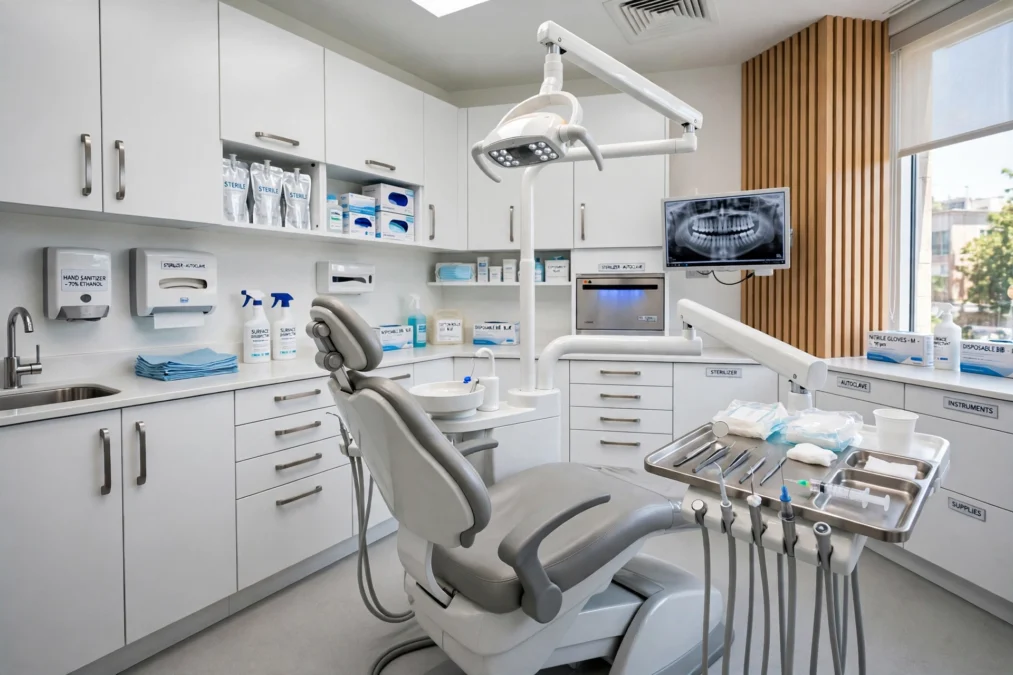
If you are wondering what composite bonding before and after really means in everyday life, the short answer is refreshingly simple: a dentist sculpts tooth-coloured composite resin directly onto your teeth, shapes it to look natural, and hardens it with a curing light, usually in a single appointment. The change is often subtle rather than dramatic, which is exactly why so many people like it, because a chipped edge can look smooth again and a small gap can look closed without invasive preparation.
Before you book anything, it helps to set realistic expectations about composite bonding before and after, including cost, durability, and suitability, because bonding is wonderful for minor cosmetic concerns but it is not a one-size-fits-all smile makeover. In the UK, private treatment typically costs around £150 to £400 per tooth, and results typically last around five to seven years, within a broader range of about three to ten years. This is general information only: a dentist must assess your teeth personally before giving you a quote or confirming suitability.
What Is Composite Bonding?
Composite bonding is a cosmetic dental treatment in which a dentist applies soft, tooth-coloured resin to a tooth and sculpts it into a more pleasing shape before hardening it with a special curing light. The resin is carefully colour-matched to your surrounding teeth, so the repaired area is designed to blend in rather than stand out, and the final surface is shaped and polished to feel smooth and to look natural when you smile, speak, or laugh. The dentist also considers how light falls across the tooth, so the finish looks convincing in daylight as well as indoors.
Bonding is most commonly used for small, specific concerns rather than rebuilding a whole smile from scratch, and it works best when the underlying tooth is healthy and structurally sound. Typical uses include repairing a small chip, closing a small gap, masking discolouration, reshaping a slightly uneven tooth, and building up teeth that look worn or short. It cannot straighten badly crooked teeth or replace a missing tooth, and a dentist will always check tooth and gum health first. That check protects you from spending money on a cosmetic fix when a health problem actually needs attention first.
What Happens During a Composite Bonding Appointment?
Your appointment usually begins with a conversation and a close look at your teeth, bite, and smile, because the dentist needs to understand exactly what bothers you and what result is achievable with resin alone. They will discuss the shade of resin, the shape you hope for, and whether whitening first might help the final colour match, and they will check for decay, gum problems, or bite issues that should be treated before cosmetic work begins. They will also confirm whether the tooth needs any other care before cosmetic shaping begins.
Once the plan is agreed, the dentist prepares the tooth surface, usually by gently roughening it and applying a bonding liquid that helps the resin adhere firmly, which is why treatment usually involves no drilling and often needs no anaesthetic. The resin is then applied in layers, shaped by hand, hardened with a curing light, and polished until it sits comfortably alongside your natural teeth. For a clear overview from a major UK provider, see Bupa Dental Care’s composite bonding guide.
Before and After: What Results Are Realistic?
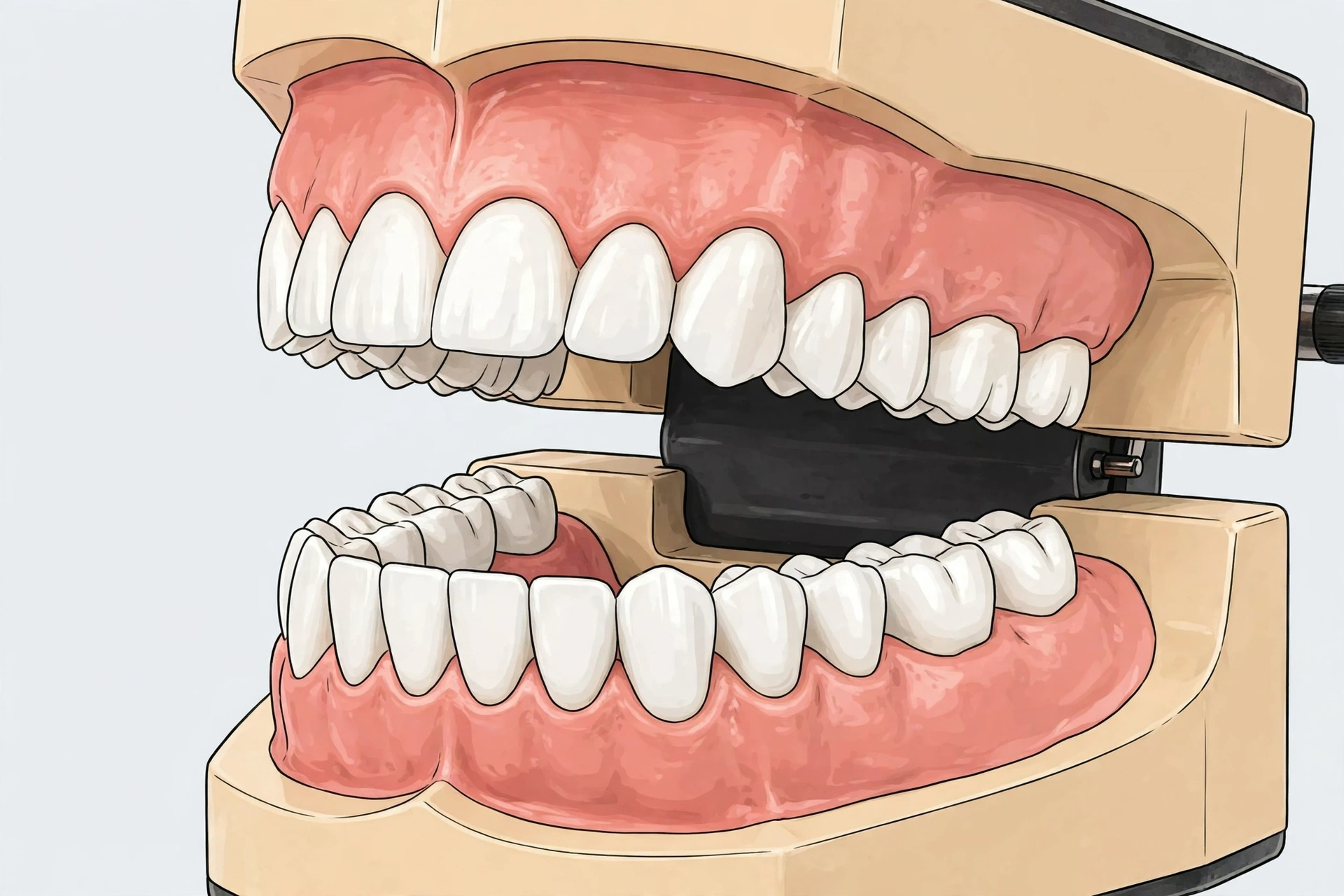
When people research composite bonding before and after, they often hope for a dramatic transformation, but the most successful results are usually the ones that look like nothing was ever done at all. A chipped front tooth can regain its length and symmetry, a small gap can appear closed without braces, and a darker or shorter tooth can sit more evenly in the smile line, while keeping the overall character of your natural smile intact and believable. This planning stage matters, because resin is sculpted in real time with no laboratory stage for later adjustments.
It is equally important to understand the limits of resin, because bonding cannot change tooth position, cannot safely cover very large damage, and cannot guarantee a flawless, uniform bright-white result if your natural teeth vary in shade. Results vary from person to person depending on starting shape and colour, the number of teeth treated, and the dentist’s skill, and your dentist will normally show you examples at consultation and talk through what is realistic for your own mouth. The dentist checks the bite and the shine carefully, so the new surface feels comfortable when you close your teeth.
How Much Does Composite Bonding Cost in the UK?
Many people researching composite bonding before and after ask about price first, and in the UK the typical private cost is around £150 to £400 per tooth, although your final price depends on how many teeth are treated, how complex the shaping is, and which practice you choose. A single small chip repair naturally costs less than bonding several front teeth, and some practices charge per tooth while others quote for a complete plan, so always ask for an itemised written quote before agreeing to proceed.
Because bonding is not available on the NHS for purely cosmetic treatment, you should budget for the full private fee plus any consultation charge, and ask what the quote includes, such as a review appointment or a repair within a certain period. It can be tempting to choose the cheapest quote, but bonding depends heavily on skill, so the dentist’s cosmetic experience, the time allowed for careful shaping, and the materials used are all worth weighing alongside price. Your dentist will normally show you examples at consultation and talk through what is realistic for your own mouth.
How Long Does Composite Bonding Last?
Composite bonding typically lasts around five to seven years, with a broader expected range of about three to ten years, and that variation is normal because no two mouths experience the same daily wear. Teeth that are used gently, kept clean, and protected from excessive force tend to keep their bonding in good condition for longer, while teeth exposed to heavy biting, grinding, or frequent staining foods and drinks may show wear, dullness, or small chips sooner. Ask for an itemised written quote before agreeing to proceed, so there are no surprises about what is included.
When bonding begins to age, the change is usually gradual rather than sudden, and a dentist can often refresh, repolish, or repair the resin without starting from scratch. A small chip can frequently be patched in a short appointment, and a dulled surface can sometimes be polished back to a healthier shine, which is a practical advantage of treatment applied directly in the surgery. Regular check-ups matter, because your dentist can spot early wear or staining at the edges and advise on the next step.
Composite Bonding vs Veneers
Veneers and bonding both aim to improve the appearance of teeth, but they do so very differently, and understanding that difference is key to choosing the right option for your goals and budget. Veneers are thin shells, usually made of porcelain, custom-made in a dental laboratory and bonded to the front of the tooth, which generally requires more than one appointment, greater investment, and removal of a thin layer of enamel to make room for the shell. If several teeth are involved, ask whether the quote covers a review appointment and any early polish or adjustment.
Bonding, by contrast, is completed in a single appointment, uses resin sculpted directly onto the tooth, and usually requires no drilling and no laboratory stage, making it quicker, less invasive, and considerably more affordable per tooth. The trade-off is that resin is softer than porcelain, may stain more easily, and typically needs replacing sooner, so bonding often suits minor fixes or anyone wanting to test a new smile shape before committing to veneers. That variation is normal, because no two mouths experience exactly the same daily wear and pressure.
Aftercare: How to Make Bonding Last
Looking after bonded teeth is mostly about the same good habits that protect natural teeth, with a few extra precautions to protect the softer resin surface from wear and staining. Brushing twice daily with fluoride toothpaste, cleaning between your teeth, and attending regular check-ups and hygiene appointments will help keep the bonding and gum line healthy, while giving your dentist a chance to polish the resin and catch early wear before it becomes a problem. A small chip can often be patched quickly, and a dulled surface can sometimes be polished back to a healthier shine.
It is also sensible to avoid using front teeth as tools, whether that means biting nails, opening packaging, or crunching very hard foods directly on a bonded edge, because sudden force is a common cause of chips. If you grind your teeth at night, tell your dentist, because a custom night guard can protect both the bonding and your natural teeth from excessive pressure while you sleep, helping the result last longer. Regular check-ups matter, because your dentist can spot early wear or staining at the edges and advise on the next step.
Who Is Not Suitable?
Composite bonding is not suitable for everyone, and a responsible dentist will sometimes advise against it even when a patient is keen, because tooth health and structure must come before the cosmetic result. People with untreated decay, active gum disease, or a large fracture weakening the tooth will usually need restorative treatment first, and bonding alone cannot safely rebuild a tooth that needs a crown or more substantial repair. Ask your dentist to explain the expected lifespan for your own teeth, rather than relying only on a general average.
Similarly, severe misalignment, a very large gap, or a bite problem placing heavy force on the front teeth may be better addressed with orthodontics or another plan, rather than asking a thin layer of resin to do work it was never designed to do. Heavy grinding and very hard biting habits can also shorten the result, so your dentist will discuss these honestly at assessment. This article is general information only and cannot replace that individual assessment. The trade-off is that resin is softer than porcelain, may stain more easily, and typically needs replacing sooner.
Conclusion
Composite bonding offers a quick, minimally invasive, and relatively affordable way to refine a smile, repairing chips, closing small gaps, and evening out shape and colour in a single appointment. Its strengths lie in its subtlety, its reversibility compared with more invasive treatments, and its ability to deliver a confidence boost without drilling away healthy tooth structure, which is why it appeals to so many first-time cosmetic patients. A dentist can help you weigh these factors honestly, including whether whitening plus bonding on one or two teeth might suffice.
If you are considering treatment, the wisest next step is a consultation where a dentist can examine your teeth, discuss your goals, show you examples, and give you a personal quote and an honest view of what composite bonding before and after could mean for you. Ask about shade matching, whether whitening first would help, aftercare, and what happens if bonding chips, because a clear conversation now prevents disappointment later and helps you decide whether bonding is genuinely worth it.
Does composite bonding hurt?
Most people find composite bonding comfortable, and many are pleasantly surprised by how uneventful the appointment feels compared with other dental treatments. Because the procedure usually involves no drilling and often requires no anaesthetic, there is typically no injection, no numbness afterwards, and no recovery period to plan around, which makes it popular with patients who feel nervous about dental work. It is also sensible to avoid biting nails or opening packaging with front teeth, because sudden force commonly causes chips.
That said, everyone experiences dental treatment differently, and sensitivity can vary depending on the tooth, the extent of work, and your own comfort levels, so tell your dentist if you feel anxious or sensitive. A good dentist will explain each step, check in during the appointment, and adjust if you need a break or reassurance, and can discuss anaesthetic options if your case requires more preparation than usual. If you grind your teeth at night, tell your dentist, because a custom night guard can protect bonding from excessive pressure.
How long does the appointment take?
The appointment for composite bonding is usually completed in a single visit, which is one of the treatment’s greatest practical advantages over laboratory-made options that require impressions, waiting time, and a second fitting appointment. The exact length depends on how many teeth are treated and how detailed the shaping must be, with a single small repair taking considerably less chair time than bonding several front teeth. Your dentist should be able to give you a realistic time estimate at consultation, once the scope of work is agreed.
It is worth arriving with time to spare and without a tightly packed schedule immediately afterwards, because careful shade matching, layering, shaping, and polishing all take patience, and rushing the artistic stage can compromise the result. You can normally eat and drink soon after treatment, although your dentist may advise being gentle with bonded teeth on the first day and avoiding very hard foods until you feel confident about the new edges. Heavy grinding and very hard biting habits can also shorten the result, so your dentist will discuss these honestly at assessment.
Can bonding close a gap?
Yes, composite bonding can close a small gap between teeth, and this is one of its most common and satisfying uses, particularly for a small space between the two upper front teeth that draws attention in photographs. The dentist builds up the sides of neighbouring teeth with tooth-coloured resin, gradually narrowing the space until the teeth appear to sit naturally together, shaped and polished to match the width and shade of your smile. Ask about shade matching, whether whitening first would help, aftercare, and what happens if bonding chips.
However, bonding is best suited to small gaps, and larger spaces may require orthodontic treatment, such as braces or aligners, to move teeth into a healthier and more stable position before cosmetic finishing is considered. A gap caused by gum recession, missing teeth, or a bite issue also needs careful assessment, because simply filling the visible space without addressing the cause may not give a stable or natural-looking result. A good dentist will explain each step, check in during the appointment, and adjust if you need a break or reassurance.
Will bonding stain?
Composite bonding can stain over time, and this is an honest trade-off to understand before treatment, because resin is more porous than natural enamel and considerably more stain-prone than porcelain. Everyday culprits include coffee, tea, red wine, dark berries, curries, and tobacco, which can gradually dull the surface or leave a yellowish tint, particularly on front teeth exposed to these substances every day. If you notice tenderness or a rough edge after treatment, contact the practice promptly, because a quick polish usually resolves it.
Good aftercare can slow staining significantly, including regular brushing and flossing, rinsing with water after strongly coloured food or drink, attending hygiene appointments for professional polishing, and avoiding or reducing smoking. If staining becomes noticeable, your dentist may polish the surface to restore brightness, or replace the bonding if discolouration is deeper, so discuss your diet and coffee habits openly at consultation. You can normally eat and drink soon after treatment, although your dentist may advise being gentle with bonded teeth on the first day.
Can I get composite bonding on the NHS?
Composite bonding is not available on the NHS for purely cosmetic treatment, which means that if your only reason for seeking bonding is to improve the appearance of healthy teeth, you will need to pay privately. The NHS provides dental care based on clinical need, so treatments considered cosmetic rather than necessary for oral health are generally excluded, even when they could improve confidence or appearance. A gap caused by gum recession, missing teeth, or a bite issue also needs careful assessment before any cosmetic work.
There may be limited situations in which a dentist uses tooth-coloured filling material for a clinical repair, but that is a restorative decision based on decay or damage, not the same as elective cosmetic bonding for chips, gaps, or smile enhancement. If cost is a concern, ask private practices about consultation fees, per-tooth pricing, and payment plans, and compare a small number of reputable practices rather than choosing on price alone. If staining becomes noticeable, your dentist may polish the surface to restore brightness or replace the bonding if needed.
Can bonding be repaired if it chips?
Yes, one of the most reassuring features of composite bonding is that it can usually be repaired if it chips, and a repair is often much simpler than the original treatment. Because resin is applied directly in the surgery, a dentist can usually add new material to the chipped area, reshape it, harden it with the curing light, and polish it to blend with existing bonding, often in a relatively short appointment. If cost is a concern, ask private practices about consultation fees, per-tooth pricing, and whether they offer payment plans.
You should contact your dentist promptly if you notice a chip, roughness, or sharp edge, rather than ignoring it or trying to smooth it yourself, because a damaged edge can irritate your tongue or cheek and trap plaque more easily. Avoid chewing hard foods on the affected tooth until it has been checked, and your dentist can also use the repair visit to check your bite and habits, which may reveal why the chip happened. Your dentist can also use the repair visit to check your bite and habits, which may reveal why the chip happened.