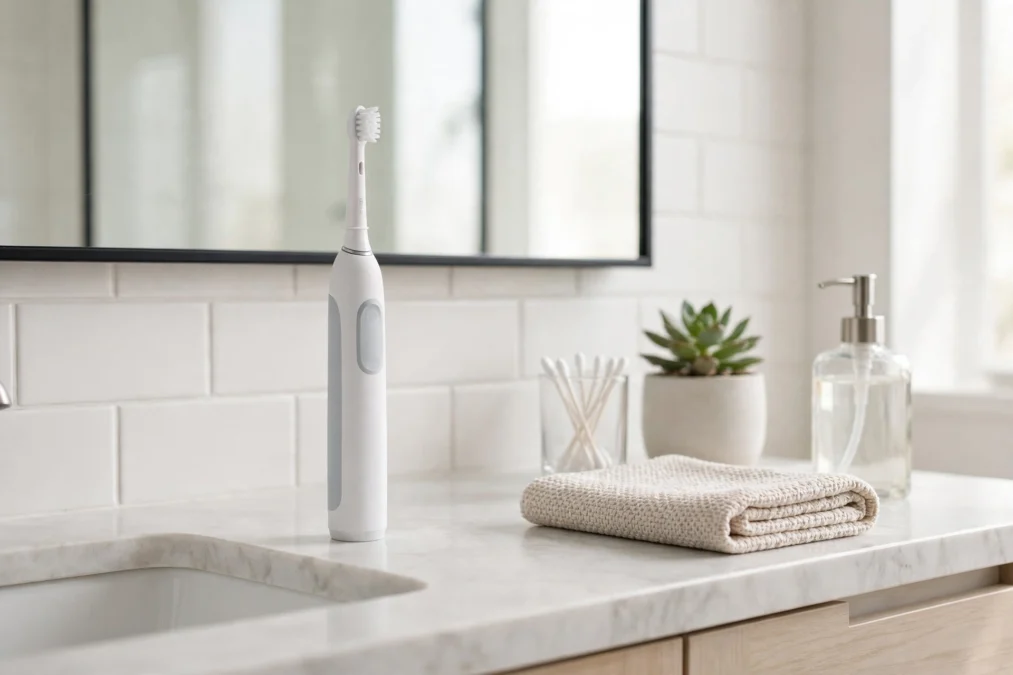
In short, the oral b pro 3 is a mid-range adult electric toothbrush that is designed for people who want a noticeably better clean than a manual brush without paying for a premium smart toothbrush. It uses a small round brush head, three simple cleaning modes, a visible pressure sensor and a two-minute timer, so the everyday routine feels guided rather than guessed. For most adults with ordinary brushing habits, it suits daily use very well, especially if you tend to brush too hard or rush through the recommended two minutes.
That honest answer matters because the best toothbrush is not always the most expensive one, and it is certainly not the one with the longest list of features you will never use. This review looks at what the brush actually does, how the main models differ, what it costs to run over time, and where it falls short, so you can decide with confidence. It is general oral-health information only, and it is not a substitute for advice from your own dentist, particularly if you have gum disease, braces, implants, or any ongoing dental treatment.
What Is the Oral B Pro 3?
The oral b pro 3 is a family of mid-range rechargeable electric toothbrushes for adults, sold in models that include the 3000, the 3500, the 3500 Design Edition and the 3900. Rather than relying on a large rectangular head that you move back and forth yourself, it uses a small round CrossAction head that is designed to surround each tooth while it cleans. The idea is simple and practical: you guide the brush slowly around your mouth, section by section, while the head does the detailed cleaning work around the tooth surface and along the gumline.
It sits deliberately in the middle of the electric toothbrush market, above basic battery brushes and well below premium connected models with screens, apps and multiple sensors. That middle position is its main appeal, because it keeps the features that genuinely change daily brushing, such as pressure feedback and a quadrant timer, while leaving out extras that add cost without improving the basic clean. If you are upgrading from a manual brush for the first time, or replacing an older electric brush, this is the kind of model that feels like a clear step forward without feeling complicated.
Key Features Explained
The headline feature is the three-dimensional cleaning action, which combines oscillating, rotating and pulsating movements in the small round head to clean around each tooth. In everyday terms, that means the brush does not simply vibrate against the tooth surface; it moves in a way that is intended to reach plaque around curves, between teeth and along the gumline, where a flat manual head can struggle. The result, for many users, is a mouth that feels noticeably cleaner after brushing, especially in the first week or two after switching from a manual brush.
The brush also offers three cleaning modes, namely Daily Clean, Sensitive and Whitening, which you can cycle through using the handle button, and a 360-degree visible gum pressure sensor that lights up when you press too hard. A two-minute timer with a short alert every thirty seconds helps you spend equal time in each quadrant of your mouth, which is a surprisingly useful habit for people who normally finish in under a minute. For full operating detail, see the Pro 3 3500 user guide, which explains the modes, timer and pressure control in plain language.
Pro 3 3000 vs 3500 vs 3900
Choosing between the models is less confusing than the numbers suggest, because the core cleaning experience is very similar across the range and the main differences are usually found in what comes in the box. The Oral-B Pro 3 3000 is typically the simplest single-handle option, while the 3500 often adds a travel case and sometimes an extra brush head, depending on the exact pack sold by the retailer. The 3500 Design Edition is best understood as a styling variation on the same idea, so colour and finish matter more than any dramatic change in cleaning performance.
The 3900, by contrast, is often sold as a duo pack with two handles, a sensible choice for a couple or shared household wanting two brushes without two separate chargers and cases. Before buying any variant, check exactly how many handles, heads, chargers and cases are included, because similar listings can contain quite different bundles. In brushing itself, do not expect one model to clean dramatically better than another; the real decision is about everyday convenience, presentation and overall value for money.
Battery Life and Charging
Battery life is one of the strongest practical reasons to consider this brush, because its rechargeable lithium-ion battery lasts about two weeks per charge when used for the usual two minutes twice a day. That is long enough to take it on a typical holiday without packing the charger, and long enough that charging becomes an occasional task rather than a daily chore. In real life, of course, your mileage will vary if you brush for longer than two minutes, use the higher-intensity modes more often, or share the handle with someone else in the household.
Charging is straightforward, using a small stand that sits on a bathroom shelf or counter, and an indicator shows when the battery is running low. The main drawback is that charging is not especially fast, so charge overnight or when the low-battery warning first appears, rather than expecting a quick top-up before leaving the house. If you travel frequently, check the plug type and whether your travel adaptor works comfortably with the stand, especially in hotels with limited bathroom sockets.
How Does It Compare?
Compared with a manual toothbrush, the main advantage of this kind of electric brush is consistency, because the round head and built-in timer do much of the work that technique alone must do with a manual brush. Oral-B, the manufacturer, claims its brushes can remove up to 100 percent more plaque than a manual toothbrush, and that should be understood as the manufacturer’s own marketing claim, not an independently verified result for every user. In practice, the benefit you notice most may simply be brushing for the full two minutes, covering all four quadrants, and pressing less hard because the sensor warns you.
Compared with premium electric brushes, the difference is mainly about guidance and convenience rather than raw cleaning power, because premium models may add position tracking, app coaching, displays and more modes. Those extras can help some people, but they also add cost, complexity and another thing to charge or update, which is not what every buyer wants from a toothbrush. For many adults, a mid-range brush that reliably delivers a thorough two-minute clean, protects the gums from heavy pressure, and lasts about two weeks per charge is already a complete solution.
Pros and Cons
The strengths of this brush show up in ordinary daily use rather than only on a specification sheet. The round head feels precise around individual teeth, the pressure sensor gives an immediate visible warning when you press too hard, and the quadrant timer gently trains a more even routine without any app or phone. Battery life of about two weeks is genuinely convenient, the three modes cover everyday cleaning, sensitivity and occasional whitening care, and replacement heads are widely available, which makes the brush easy to live with over several years.
There are honest limitations worth knowing before you buy, starting with the fact that this is not a connected smart brush and offers no detailed app feedback or on-handle display guidance. Some users also find the single-button control slightly awkward at first, because the same button switches the brush on, cycles through modes and switches it off, so changing modes takes practice. Finally, the handle can feel bulky compared with a slim manual brush, and long-term cost depends heavily on head replacement frequency and which variant and retailer you choose.
Who Should Buy It — and Who Should Skip It?
This brush suits adults who want a better daily clean without learning a complicated new system, and it is particularly helpful if you know that you rush your brushing or press too hard. If your dentist has ever mentioned gum irritation, or if you find that you consistently finish brushing well before two minutes, the visible pressure sensor and the quadrant timer directly address those two common habits. It also suits first-time electric toothbrush buyers, because the controls are simple, the routine is familiar, and the brush does not demand that you download an app or change how you store your toiletries.
It is less suitable, however, for people who specifically want app-based coaching, detailed brushing maps, or a screen showing exactly where they missed, because this range uses simple on-handle guidance rather than connected feedback. It may also disappoint buyers who want the quietest brush, the slimmest travel handle, or many specialised modes, in which case a different model may be better. If you have complex dental work, ongoing gum treatment, or a condition affecting how you should brush, ask your dentist which head and mode would be safest.
Brush Heads, Replacement and Running Costs
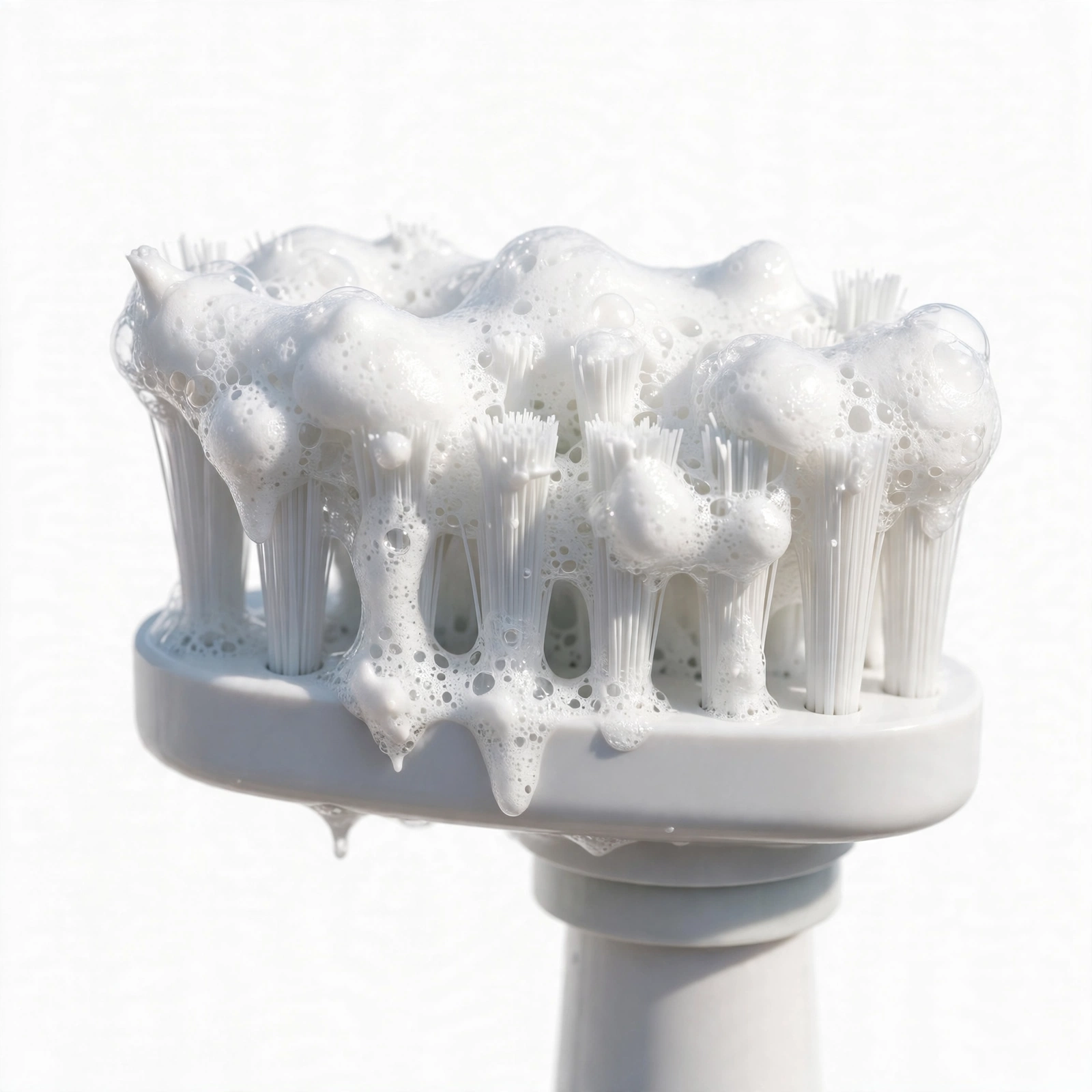
The brush uses replaceable Oral-B round heads, with the CrossAction head supplied as the standard option on many packs, and other Oral-B heads can be used to tailor the clean for sensitivity, whitening or other preferences. Dentists generally recommend replacing a brush head about every three months, or sooner if the bristles look splayed, worn or damaged, because a worn head cleans less effectively and can feel harsher on the gums. Some heads also carry a fading indicator, which changes colour gradually to remind you that replacement time is approaching, although the exact appearance varies by head type.
Running costs are mostly replacement heads over time, and those costs can add up if you buy single heads at full price rather than multipacks on offer. UK prices for the brush itself vary widely by variant and retailer, with deal listings seen roughly lower and list prices much higher, so quoting one fixed price would be misleading. Compare the complete bundle, including handles, heads and case, and check replacement-head prices too, because a cheap handle with expensive heads is not necessarily the best long-term deal.
Conclusion
For 2026, this mid-range brush remains a strong, sensible choice for adults who want a thorough, guided daily clean without paying for premium smart features they may never use. Its best qualities are practical rather than flashy: a round head that cleans around each tooth, three useful modes, a visible pressure sensor that protects the gums, a two-minute quadrant timer, and a battery lasting about two weeks. Together they support the two habits that matter most, namely brushing for long enough and without pressing too hard, which is why it suits so many households.
It is not perfect, because it lacks connected coaching, it takes practice to master the single-button controls, and its true cost depends on the bundle and replacement heads you choose. Even so, if you want a reliable upgrade from a manual brush, or a straightforward replacement for an ageing electric brush, this is easy to recommend with clear eyes about its limits. Check the exact pack contents, compare current UK prices across retailers, and ask your dentist about the best head for you if you have specific dental concerns.
Is the Oral B Pro 3 good?
Yes, for most adults it is a good mid-range electric toothbrush, because it combines the features that make the biggest practical difference to daily brushing in one simple and reliable package. The round CrossAction head, the three cleaning modes, the visible pressure sensor and the two-minute quadrant timer all support a more thorough and more even clean than many people achieve with a manual brush. That combination is especially valuable if you tend to rush, press too hard, or miss the same areas of your mouth, because the brush itself gently corrects those habits every time you use it.
It is not, however, the best choice for every single buyer, and a fair review should say that plainly rather than pretending that one brush suits everyone equally well. People who want app coaching, a display, or a wide range of specialised modes may prefer a premium model, while people who want the absolute cheapest electric brush may prefer a simpler entry-level option. Within its own mid-range position, though, it delivers a strong balance of cleaning performance, gum protection, battery life and ease of use, which is why it remains a popular recommendation for everyday family use in 2026.
Does the Oral B Pro 3 have a pressure sensor?
Yes, it has a 360-degree visible gum pressure sensor, which is designed to be seen from different angles while you brush in front of a mirror. When you press too hard, the sensor lights up in red as a clear visual warning, and the brush also reduces its movement to help protect your gums from excessive force. That combination of a visible signal and a gentler action is more useful than a warning alone, because it gives you an immediate chance to ease off and adjust your technique before you finish that section of your mouth.
This feature matters more than it might first appear, because pressing too hard is one of the most common brushing mistakes, and it can contribute to gum irritation and discomfort over time. Many people press hard because they assume that more force means a cleaner result, when in fact a lighter touch with the right technique usually cleans just as well and is kinder to the gums. If you know that you are a heavy-handed brusher, or if your dentist has mentioned gum recession or sensitivity, the pressure sensor alone can be a good reason to choose this brush over a model without one.
How long does the Oral B Pro 3 battery last?
The rechargeable lithium-ion battery lasts about two weeks per charge when the brush is used in the normal way, meaning two minutes of brushing twice a day. That estimate is a useful guide for everyday planning, and it means that most people will only need to charge the brush roughly twice a month, which is far less hassle than charging a device every night. It also makes the brush practical for holidays and short trips, because you can often leave the charger at home for a typical one-week or two-week break without worrying about running out of power.
Your actual battery life may be shorter or longer depending on use, because longer sessions, more frequent use, or sharing the handle will naturally drain the battery faster. As the battery ages over several years, you may also notice it holds charge for slightly less time, which is normal for rechargeable lithium-ion batteries. To get the best life from it, charge when the low-battery indicator appears, keep charging contacts clean and dry, and avoid leaving the handle sitting in water.
How often should I replace the brush head?
You should generally replace the brush head about every three months, which is the interval most dentists recommend for manual and electric brushes alike. That three-month guide is not an arbitrary rule, because bristles gradually bend, splay and wear down with daily use, and a worn head cannot clean around teeth and along the gumline as effectively as a fresh one. If you notice that the bristles look frayed, flattened or uneven before three months have passed, it is sensible to replace the head sooner rather than waiting for a calendar date to arrive.
Also replace the head after an illness, if it has been dropped or damaged, or if someone else has used it, because hygiene matters for something used twice a day. Buying heads in multipacks, and keeping one spare in the bathroom cabinet, makes it easier to stick to the three-month routine instead of stretching a worn head for another month. When fitting a new head, push it firmly onto the handle until it clicks, rinse it after each use, and store the brush upright so it can dry properly.
Is it better than a manual toothbrush?
For many people, an electric brush like this one is better than a manual toothbrush in practice, even though a manual brush can still clean well with excellent technique for a full two minutes. The advantage is not magic, but consistency: the round head moves in a way that is hard to reproduce by hand, the timer ensures you brush for the recommended time, and the pressure sensor warns you when you press too hard. Together they help many users achieve a more even clean, especially at the back of the mouth and along the gumline.
That said, the claim that Oral-B brushes remove up to 100 percent more plaque than a manual toothbrush is Oral-B’s own claim, and individual results will vary with technique, brushing time, head condition and overall oral-health habits. An electric brush does not replace flossing or interdental cleaning, regular dental check-ups, or a sensible diet, and it cannot undo skipping brushing altogether. If you already brush thoroughly for two minutes twice a day and your dentist is happy with your gum health, switching may still feel more comfortable, but it is not urgent for everyone.
What is the difference between the Pro 3 3000 and 3500?
The main difference between the 3000 and the 3500 is usually the bundle and presentation rather than a dramatic difference in cleaning. Both share a round CrossAction head, three cleaning modes, a visible pressure sensor and a two-minute timer, so everyday brushing will feel very familiar whichever you choose. The 3500 is often sold with extras such as a travel case or an additional head, depending on retailer and pack, which can make it better value if you travel often or want a spare head ready.
Because bundles vary by retailer and promotion, compare pack contents carefully rather than assuming a higher number means a stronger clean. Check how many handles, heads and chargers are included, whether a travel case is included, and which colour you prefer, because those details affect daily use more than the model number alone. If the 3000 bundle already includes everything you need at a lower price, there is no need to pay extra, but if the extras are genuinely useful, the 3500 pack may be the better purchase.