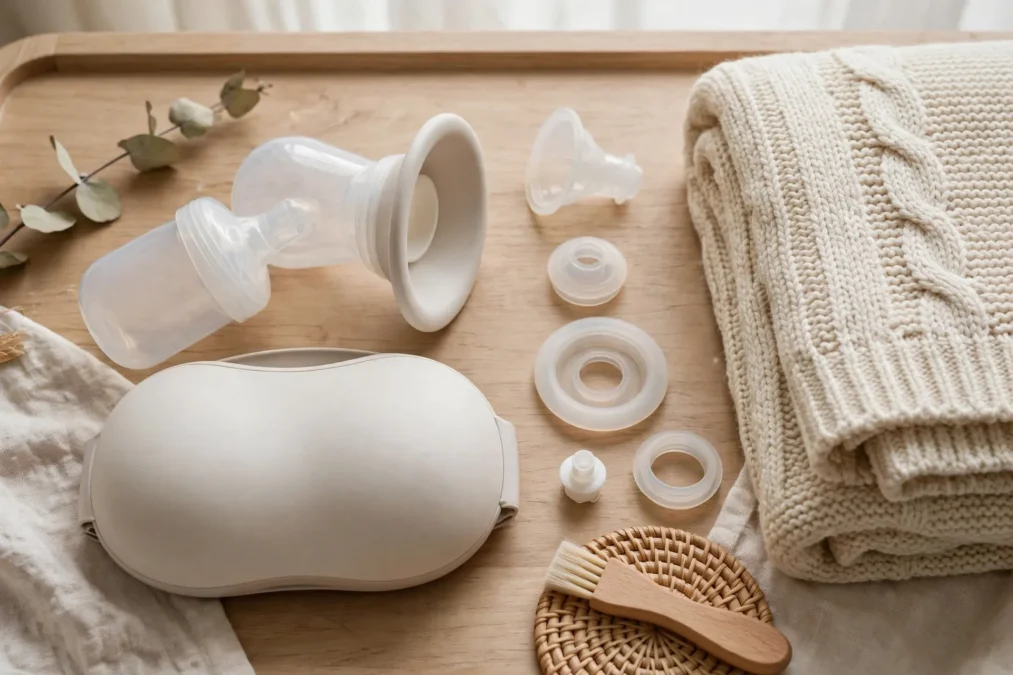
Expressing milk used to mean sitting tethered to a plug socket with bottles, tubes, and a pump that announced itself to the whole house, and for many mothers that image alone was enough to put pumping off. Wearable pumps changed that picture completely, because they sit inside a bra, run on a battery, and let you move around, make lunch, or answer the door while they work. The direct answer to the question most buyers have is that a momcozy breast pump is worth considering if you want genuine hands-free freedom, but the right model depends on your budget, your flange size, and how often you plan to pump, so this guide compares the main models before you spend anything.
Prices in this guide are approximate UK prices seen at the time of writing and they move with retailer offers, bundles, and seasonal sales, so always check the live price before ordering and confirm exactly what is included in the box. This article is general information only and not medical advice, so if you have concerns about milk supply, pain while pumping, or feeding your baby, speak to a midwife, health visitor, or lactation specialist, who can give advice tailored to your situation rather than a general buying guide.
How a Wearable Pump Actually Works
A wearable pump is essentially a complete expressing system shrunk into a cup-shaped unit that fits inside a normal nursing bra, with no external bottles dangling and no tubes running to a separate motor. The motor, the milk collection container, and the flange that sits against the breast are all built into one piece, and you control it with buttons on the unit itself or, on some models, through a phone app that lets you change mode and suction level without reaching inside your bra. Milk collects directly in the cup as you pump, and when the session ends you pour it into a storage bottle or bag, which makes the whole process far less conspicuous than a traditional pump.
The trade-off for that freedom is capacity and power, because a wearable cup holds less milk than a standard bottle, usually somewhere around 120 to 180 millilitres depending on the model, and the suction, while effective for most users, may feel different from a mains-powered hospital-style pump. That does not make wearables a poor choice, but it does mean they suit regular daily expressing and topping up better than exclusive, high-volume pumping for some mothers, and it is worth being honest about your own routine before choosing. If you pump occasionally, at work, or while looking after older children, the freedom is transformative, whereas if you pump eight times a day exclusively, you may want a traditional pump as well.
The M5: The Smart Mid-Range Choice
The M5 is the momcozy breast pump most UK buyers encounter first, because it sits in the middle of the range and combines a discreet shape with genuinely useful smart features at a price that undercuts the flagship models. A double M5 set costs around £189.99 at Currys and around £199.99 from the official UK store, while a single unit costs around £99.99, though those figures move with offers, so check the live price and whether the listing is for one pump or a pair before you compare. It offers three modes, typically described as stimulation, expression, and a mixed mode, with nine suction levels, which gives you room to find a comfortable setting rather than being stuck with a single strength that is either too gentle or too strong.
Comfort is where the M5 earns its reputation, because it uses a double-sealed flange design intended to sit securely against the breast and reduce leaking, and it comes with a wide range of flange sizes including 17, 19, 21, 24, and 27 millimetres, so most mothers can find a fit without buying extra parts immediately. The unit is also notably light and quiet compared with older wearables, which matters when you are pumping at work, on a train, or in the same room as a sleeping baby, and the battery is designed to last through several sessions before needing a charge. For a first wearable, or for a mother who wants smart features without paying flagship prices, the M5 is usually the safest starting point in the range.
The S12 Pro and the M6: Budget and Flagship
The S12 Pro is the budget-friendly route into wearable pumping, with a double set costing around £139.99, again subject to retailer offers, and it is aimed at mothers who want the hands-free experience without paying for app control or the newest design. It includes a smart display that shows mode, suction level, and battery at a glance, which is genuinely handy when the pump is inside your bra and you cannot easily see its buttons, and it uses a soft double-fit flange designed to feel gentle against the breast during longer sessions. What it gives up compared with the M5 is mainly the smartest app features and some of the refinement in shape and noise, but for straightforward daily pumping, this momcozy breast pump covers the essentials well and leaves money spare for spare parts, storage bags, and a good nursing bra.
At the other end of the range sits the M6, a flagship double set costing around £229.99, which is aimed at mothers who pump frequently and want the quietest, most comfortable experience the brand currently offers. Flagship models in this class typically emphasise a slimmer profile that is less visible under clothing, a softer flange, and a more polished app experience, and those refinements matter most if you pump at work or in public every day. Whether the premium over the M5 is worth it depends on how much you value discretion and comfort over a long pumping journey, because the core job of expressing milk is done well by all three models, and the extra money buys refinement rather than a different result.
Flange Fit: The Detail That Decides Everything
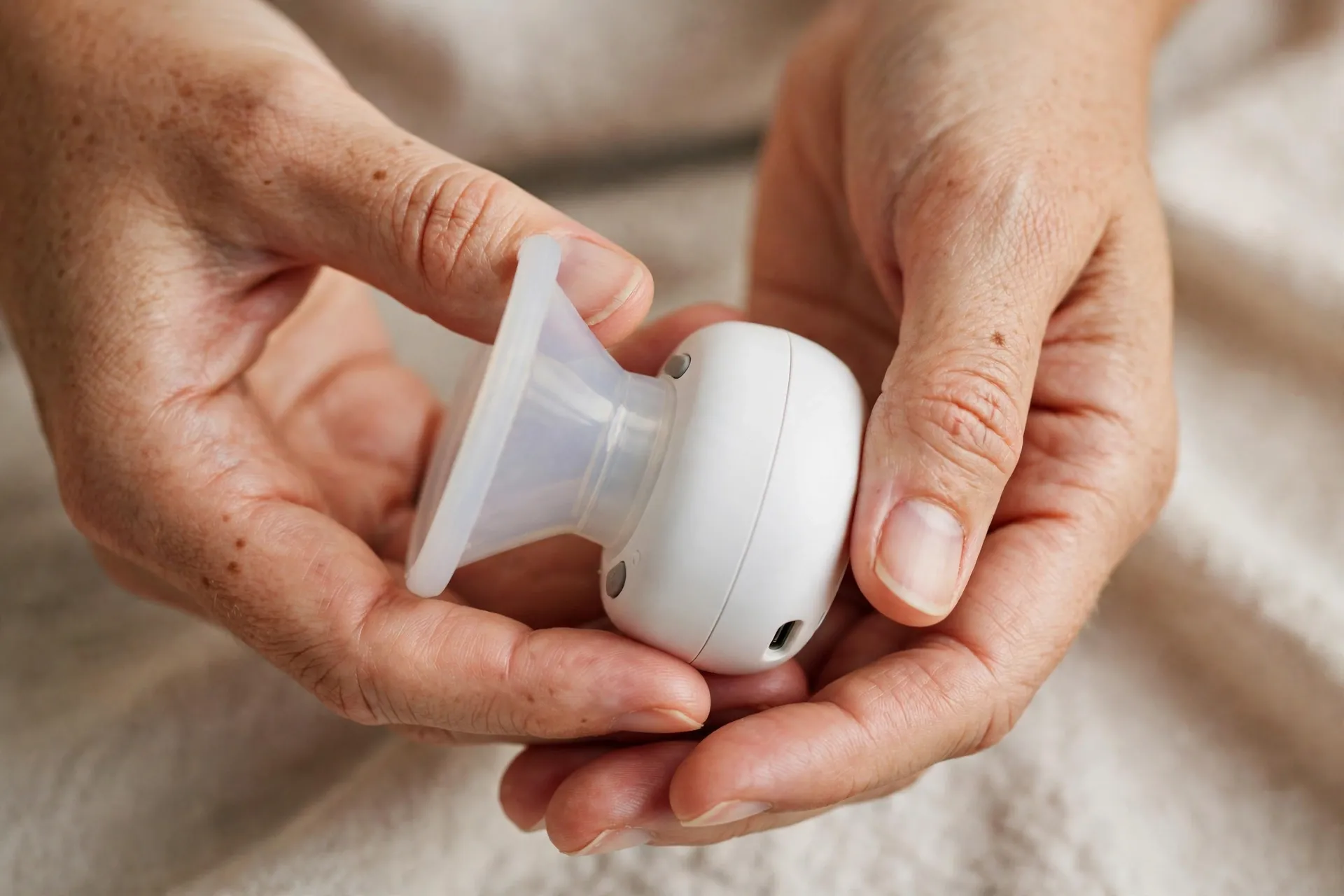
Flange fit is the single most important detail in wearable pumping, and it is also the one most often ignored, because buyers focus on price and features while the piece of plastic touching the breast quietly decides whether pumping is comfortable and effective. The flange is the funnel-shaped part that sits over the nipple, and it needs to fit closely enough to maintain suction without squeezing or rubbing, which is why measuring your nipple diameter and matching it to the manufacturer’s size guide matters far more than guessing from a dress size. The momcozy breast pump range covers 17, 19, 21, 24, and 27 millimetres on the M5, and that spread exists because nipples vary widely, and a flange that is too large will pull in too much tissue and hurt, while one that is too small will pinch and reduce output.
If pumping hurts, causes redness, blistering, or a drop in output, the first thing to check is fit rather than suction level, because turning up the power on a badly fitting flange only makes the problem worse. Many mothers find their size changes over the weeks after birth, so it is worth remeasuring if comfort changes, and spare flanges in a different size are a cheap investment compared with abandoning pumping altogether. A midwife, health visitor, or lactation specialist can check fit in person if you are unsure, and that ten-minute check can save weeks of discomfort, so do not struggle in silence with a flange that clearly does not suit you.
Cleaning, Battery and Everyday Practicalities
Cleaning is the part of wearable pumping that surprises new users, because the pump may be hands-free but the washing up certainly is not, and every part that touches milk needs cleaning after every use. The cups, flanges, valves, and diaphragms should be washed in warm soapy water, rinsed well, and left to air dry, and the manufacturer’s instructions will tell you which parts can be sterilised and how often, so follow those rather than guessing. Keeping a second set of parts, or a spare pump, makes a real difference on busy days, because it means you can pump, swap in clean parts, and wash the used set later instead of standing at the sink between every session.
Battery life is the other everyday practicality for a momcozy breast pump, and it is worth checking how many sessions a full charge covers on the model you choose, because a pump that dies halfway through a workday is frustrating in a way that no feature list can fix. Most wearables in this class manage several sessions per charge, but that figure drops if you pump at high suction for long periods, and cold weather or an ageing battery will shorten it further over time. Practical habits help enormously, such as charging overnight, keeping a charging cable in your work bag, and checking the milk level before a long outing, because a wearable cup that fills up mid-session will stop collecting even though the motor keeps running.
Who It Suits and What to Check Before Buying
A wearable pump suits mothers who want to pump without being tied to one spot, whether that means returning to work, travelling, or simply moving around the house while expressing. It is particularly valuable for mothers who pump once or twice a day alongside breastfeeding, because it turns those sessions from a chore that demands sitting still into something that fits around normal life, and that convenience often means pumping happens more consistently. It is less obviously the right first choice for a mother in the very early days after birth who is still establishing breastfeeding, or for someone who needs to express exclusively and at high volume, and in those situations a traditional pump or specialist advice may serve better.
Before buying a momcozy breast pump, check four things in order: your flange size, whether you need a single or a double set, what the total price includes, and the warranty and returns policy of the retailer you choose. A double set halves the time of a session and keeps output balanced, but it doubles the cost and the washing up, so a single unit can be the smarter first step if you are unsure whether wearable pumping suits you. Check the live price, confirm whether spare flanges and a charging cable are included, and buy from a retailer with a clear returns policy, because fit and comfort are personal and a pump that suits one mother may not suit another, however good its reviews are.
Conclusion
A momcozy breast pump earns its place by giving mothers their hands and their time back, and for many UK buyers the M5 at around £189.99 to £199.99 for a double set is the sweet spot between price, comfort, and smart features. The S12 Pro at around £139.99 for a double set is the sensible budget route if you want hands-free pumping without app extras, while the M6 at around £229.99 for a double set is the flagship for frequent pumpers who value the quietest, most discreet experience. All prices are approximate and move with retailer offers, so check the live price and the exact contents of the box before ordering, because a headline price for a single unit is not comparable with a double set.
Whatever model you choose, the decision that matters most is not the model name but the flange fit, the cleaning routine, and an honest assessment of how often you will actually pump. Measure your nipple, choose the flange size the guide suggests, keep spare parts clean and ready, and ask a midwife, health visitor, or lactation specialist for help if pumping hurts or output drops. This is general information only and not medical advice, and personal support will always beat a buying guide when feeding is not going smoothly, so reach out early rather than struggling alone.
FAQs
Which model should I choose first? For most first-time wearable buyers, the M5 is the safest starting point, because it balances price, comfort, and smart features, with three modes, nine suction levels, a double-sealed flange, and sizes from 17 to 27 millimetres, at around £189.99 to £199.99 for a double set or around £99.99 for a single. The S12 Pro at around £139.99 for a double set suits buyers who want hands-free pumping on a tighter budget and do not mind giving up some app refinement, while the M6 at around £229.99 suits frequent pumpers who want the most discreet, comfortable experience. Prices are approximate and vary by retailer, so check the live price before ordering.
How do I know my flange size? Measure the diameter of your nipple, not the whole areola, in millimetres, ideally after a warm shower or a short pumping session when the nipple is at its normal size, and match that measurement to the manufacturer’s size guide. Momcozy’s M5 range includes 17, 19, 21, 24, and 27 millimetres, and the right size should feel snug without pinching, pulling in excess tissue, or leaving a red ring after use. If pumping hurts, causes blistering, or reduces output, remeasure and try a different size before increasing suction, and ask a midwife, health visitor, or lactation specialist to check the fit in person if you remain unsure.
Can I use a wearable pump at work? Yes, and that is one of the main reasons wearables have become so popular, because they sit inside a nursing bra, run on a battery, and are quiet enough to use discreetly without a plug socket or a private room with a table for a traditional pump. You will still need somewhere to pour the collected milk into a storage bottle or bag, a place to store it cool until you get home, and time to wash the parts afterwards, so plan those practicalities as well as the pumping itself. Check your workplace’s facilities and your employer’s policy on expressing at work, and carry a spare charging cable so a flat battery never cuts a session short.
How often do I need to clean it? Every part that touches milk, including the cup, flange, valve, and diaphragm, should be washed in warm soapy water after every use, rinsed thoroughly, and left to air dry completely before the next session, following the manufacturer’s instructions for sterilisation. This routine matters because milk residue can harbour bacteria quickly, and a pump that is not cleaned properly can affect both the milk and the pump’s performance over time. Keeping a spare set of parts makes the routine far easier, because you can swap in clean parts immediately and wash the used set when you have time, rather than rushing the job between sessions.
Is a wearable pump as good as a traditional pump? For most regular pumping, a good wearable is effective and far more convenient, because it lets you pump while doing other things and therefore makes consistent pumping much easier to sustain. A mains-powered traditional pump may still have an edge for exclusive, high-volume pumping or for mothers establishing supply in the early weeks, because it can offer stronger, more sustained suction and larger bottles without the capacity limits of a wearable cup. The honest answer is that many mothers use both, with a wearable for daily convenience and a traditional pump for longer or more demanding sessions, and your own routine should guide which one you buy first.
If you found this guide helpful, you may also enjoy our other health guides on this site.
You can find more related health articles here on the site.