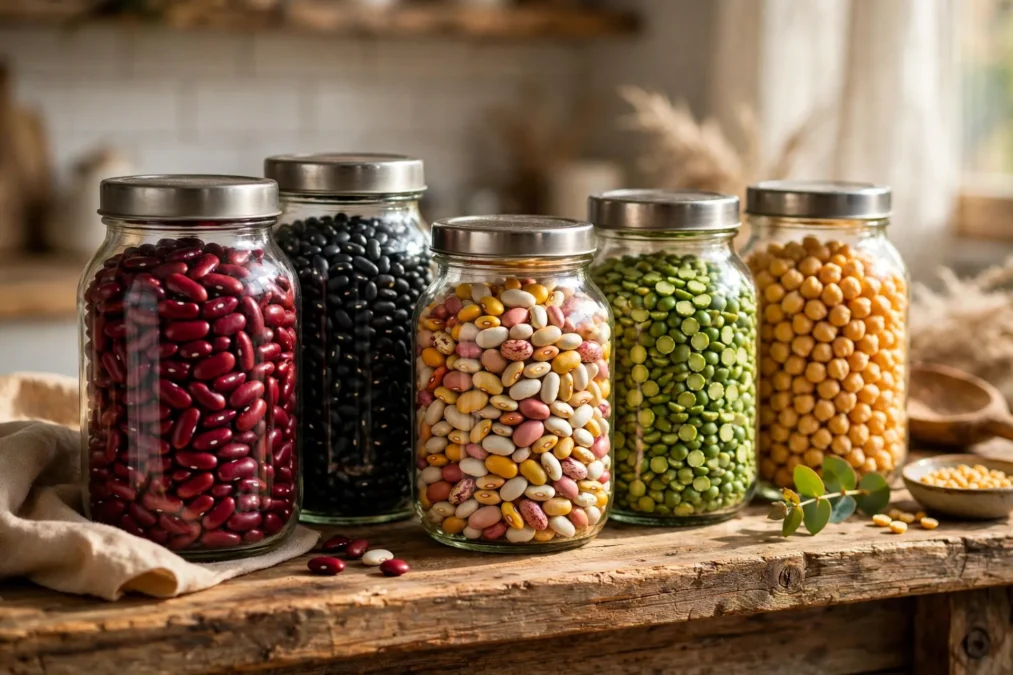
Bold Bean Co is a London-based premium jarred-bean brand that has turned a humble store-cupboard staple into something people genuinely get excited about, and the simplest way to understand it is to think of beans as the main event rather than a cheap afterthought. Founded in 2021, the company sells heirloom beans cooked low and slow and sealed in glass jars, so they arrive soft, creamy and ready to eat. The idea is deliberate rather than complicated: choose better varieties, cook them properly, and let a weeknight dinner feel nourishing and a little special without demanding extra skill or time.
If you have seen bright yellow lids in a supermarket aisle, heard friends talk about butter beans on toast, or noticed beans at the centre of restaurant-style salads and stews, you have brushed against the shift that made this brand popular. People are eating more plant-based meals, paying closer attention to fibre and gut health, and jarred beans sit neatly at the meeting point of all three trends. This guide explains who is behind the brand, why the beans taste different, which products to try first, whether beans deserve their healthy reputation, and how to use a jar without waste or fuss.
Who Are Bold Bean Co?
Bold Bean Co was founded in 2021 by Amelia Christie-Miller, together with Ed Whelpton, in London, and it has grown from a passion for better beans into a widely recognised premium food brand with B Corp certification. The founder had worked as a private chef and in food sustainability before starting the company, and that background helps explain why the brand talks as much about sourcing, soil and flavour as about convenience or health. Rather than positioning beans as a budget filler, the company presents them as an ingredient worth celebrating, with variety names, origins and cooking methods given attention usually reserved for olive oil, cheese or good bread.
The early story is documented in a British Library Business & IP Centre case study, which describes how Christie-Miller used the Centre’s market research to test her idea before launching. That research-first approach matters because it shows the brand was not built on a single viral recipe or a novelty jar, but on a considered bet that shoppers would pay more if quality, taste and story were genuinely better. The company later gained national attention on Dragons’ Den, Series 21, Episode 12, where it asked for £50,000 for 7.5% of the business and secured a deal with Deborah Meaden.
Why Are Their Beans Different From Tinned Beans?
The clearest difference is variety, because the jars focus on heirloom beans rather than the uniform commodity beans that dominate most tinned ranges, and heirloom varieties are older, distinctive types kept alive for flavour, texture and appearance. Queen Butter Beans, for example, are notably large and creamy, while Queen Chickpeas are prized for a soft, almost buttery bite, and those qualities change how a dish feels in a way a standard tin often cannot match. Cooking also matters: the beans are cooked low and slow before jarring, which helps them become tender all the way through instead of chalky at the centre or mushy at the edges.
Packaging and cooking liquid make a second, quieter difference that home cooks notice once they try a jar. Glass jars protect the beans without the metallic taste some people associate with tins, and the savoury liquid inside is not just packing water to discard, but a flavoursome stock that can enrich sauces, soups and braises if you choose to use it. That does not mean every tinned bean is poor quality, because good tins exist and remain excellent value, but it does explain why many people describe jarred beans as tasting fresher, creamier and more like beans cooked from dried at home.
What Products Do They Sell?
The core range centres on jarred heirloom beans, with Queen Butter Beans and Queen Chickpeas among the best-known products, alongside black beans and an Organic range. Butter beans suit mashing, smashing onto toast, folding through tomato sauces, or roasting until their edges crisp, while chickpeas work beautifully in warm salads, grain bowls, curries and traybakes where their creamy texture stands up to bold spices. Black beans, meanwhile, are a natural fit for tacos, chilli, soups and bean burgers, because they hold their shape well and bring an earthy depth that pairs happily with lime, cumin, chilli and fresh herbs.
Beyond the beans themselves, shoppers will often find recipe ideas and guidance on using the jar liquid, all of which help turn a single jar into a complete meal rather than a side note. The exact range can change over time as new varieties and limited editions appear. If you are buying for the first time, a sensible starting point is one jar of butter beans and one jar of chickpeas, because those two cover the widest range of everyday cooking, from quick lunches to comforting dinners. From there, black beans and organic options let you expand into different cuisines without new equipment or advanced techniques.
Are Beans Actually Good for You?
Beans have earned their healthy reputation for good reasons, because they are naturally rich in fibre, provide useful plant protein, and supply micronutrients found in plant foods, including iron, folate and magnesium. Fibre is particularly important here, because it supports regular digestion, helps meals feel satisfying for longer, and feeds the beneficial microbes that live in the gut, which is why beans are so often mentioned in conversations about gut health and balanced eating. Plant protein also matters for people who eat less meat, whether for health, cost, taste or environmental reasons, because beans help build filling, varied meals without relying on meat or highly processed alternatives at every sitting.
That said, no single food makes a diet healthy on its own, and beans work best as part of a varied pattern of eating that includes vegetables, whole grains, fruits, nuts and seeds across the week. Portion size, what you serve beans with, and how much salt or rich sauce you add will all shape the overall meal. People new to eating a lot of fibre may prefer to build up gradually and drink enough water, because a sudden jump in bean intake can cause temporary bloating or wind while the gut adjusts. If you have a specific medical condition or dietary restriction, discuss major diet changes with a clinician or dietitian.
How to Cook and Use Jarred Beans Every Day
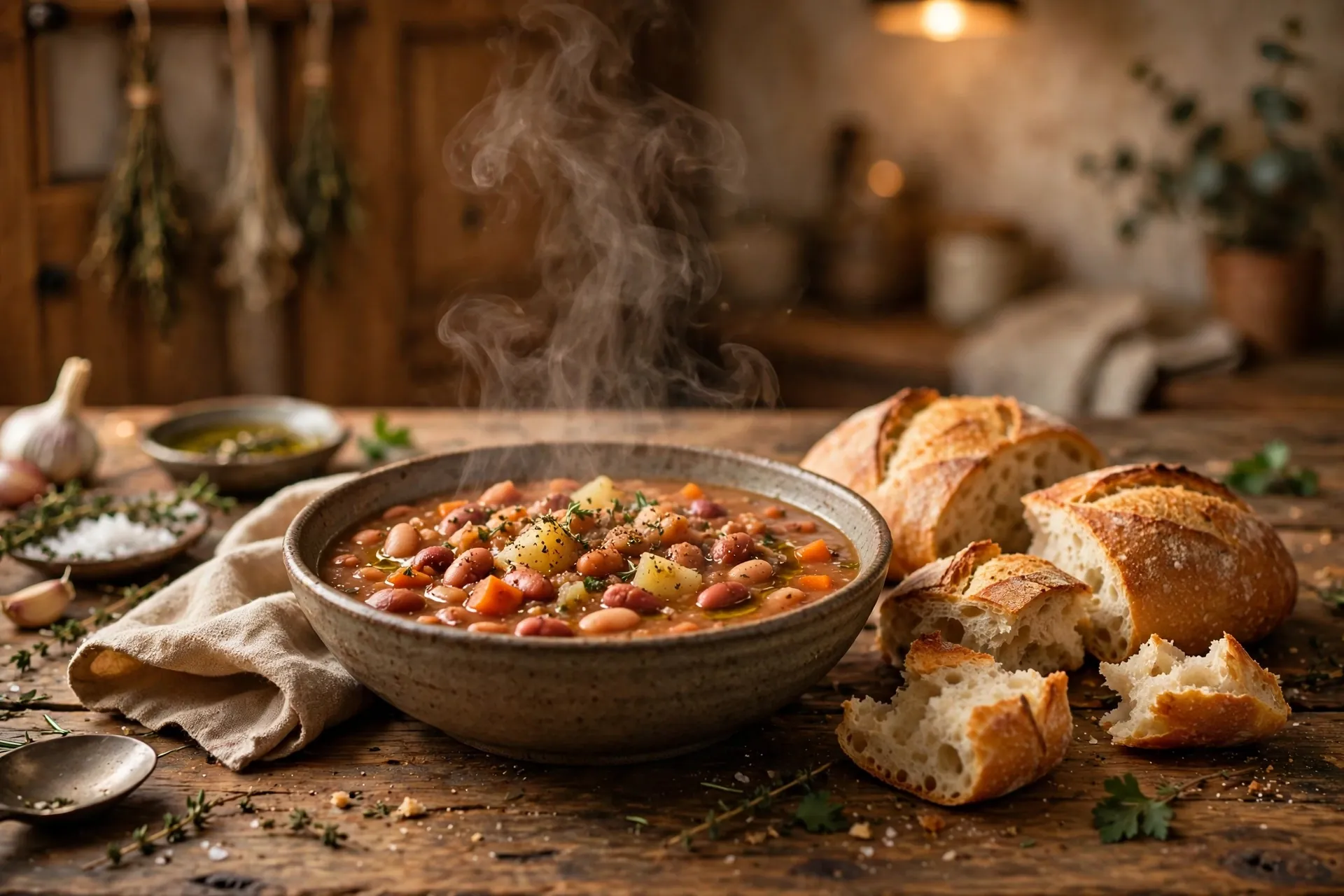
Using jarred beans could hardly be simpler, because they are already cooked, so your main jobs are to decide whether to keep the liquid, warm them gently, and season them well enough to let their natural creaminess shine. For soups, stews and braises, using some of the jar liquid often gives a silkier, more rounded sauce without extra stock cubes. Warm the beans over a low to medium heat rather than boiling them hard, because vigorous boiling can break their skins and turn a beautiful jar into mush, whereas gentle heat keeps them intact, tender and pleasant to eat.
Once you have the basics, everyday ideas come quickly, and beans reward simple, confident seasoning more than complicated recipes. Try smashed butter beans on sourdough with lemon, olive oil and herbs for a fast lunch, toss chickpeas through roasted vegetables and grains with tahini for dinner, or simmer black beans with garlic, cumin and tomatoes for tacos, rice bowls or soup. Beans also stretch meals helpfully, because one jar can turn leftover vegetables, a tin of tomatoes or a handful of greens into a satisfying main course. Keep an opened jar refrigerated and use it promptly, and remember that even small additions to pasta sauce or soup can lift flavour and nutrition.
Bold Bean Co Prices and Where to Buy in the UK
Premium jarred beans cost more than standard tinned beans, and that price difference is the point most shoppers pause over, so it helps to understand what you are paying for before deciding whether the extra cost makes sense for your household. You are paying for named heirloom varieties, slower cooking, glass packaging, smaller-scale sourcing and a brand built around quality and sustainability, and that explains why a jar cannot fairly be compared with the cheapest tin on the shelf. This article deliberately does not quote specific prices, because prices change by retailer, range and promotion, and a figure printed here could quickly become out of date or misleading.
In the UK, the jars are widely available through major grocery retailers and the brand’s own online shop, although exact availability varies by store, region and range, and not every shop will stock every variety at all times. A practical way to judge value is to compare cost per meal rather than cost per jar, because one jar often forms the protein centre of a meal for two or more people when served with grains and vegetables. If the premium price still feels steep, mixing jarred beans for special dishes with good tinned beans for everyday cooking is a sensible compromise.
Conclusion
Bold Bean Co has succeeded because it took an ingredient most people overlooked and treated it with the seriousness, care and storytelling usually given to far more fashionable foods. The combination of heirloom varieties, slow cooking, glass jars, a clear sustainability stance and a founder story rooted in real market research gives shoppers reasons to try the product beyond novelty or clever packaging. At the same time, the nutrition case is grounded rather than exaggerated: beans are fibre-rich, protein-containing plant foods that support varied, satisfying meals, and jarred beans make that benefit accessible to people who do not have time to cook dried beans from scratch.
If you are curious, the low-risk way to begin is with a single jar, a simple recipe, and an open mind about texture. Try butter beans smashed on toast, chickpeas warmed through a vegetable traybake, or black beans simmered for tacos, and notice whether the creaminess and flavour justify the premium for your cooking style and budget. Whether jarred beans become a weekly staple or an occasional treat, the wider lesson is welcome: everyday ingredients, cooked well and chosen thoughtfully, can make healthy eating feel generous, enjoyable and surprisingly exciting rather than restrictive or dull.
What is Bold Bean Co?
The brand is a UK premium jarred-bean company that sells heirloom beans cooked low and slow and sealed in glass jars, with the aim of making beans taste so good that people want to eat them more often. Its best-known products include Queen Butter Beans and Queen Chickpeas, alongside black beans and an Organic range, and the jars are designed to be convenient without sacrificing the soft, creamy texture associated with beans cooked carefully from dried. The company is London-based, was founded in 2021, and holds B Corp certification.
For shoppers, the simplest description is that this is beans as a premium ingredient rather than beans as a bargain filler, with variety, cooking method and flavour given far more attention than in a standard tin. That positioning explains both the enthusiasm from food lovers and the higher price compared with commodity tinned beans. Whether that premium is worthwhile depends on how much you value texture and flavour, how often you cook with beans, and whether the convenience of a ready-to-eat jar helps you eat more plant-based meals during a busy week.
Who founded Bold Bean Co?
The company was founded in 2021 by Amelia Christie-Miller, together with Ed Whelpton, and Christie-Miller serves as founder and chief executive, bringing experience as a private chef and in food sustainability to the business. Her background helps explain the brand’s focus on flavour, sourcing and the wider food system, and she has spoken publicly about using market research to validate the idea before launch. The British Library Business & IP Centre case study on her journey describes how that research, including reports on pulses and ultra-processed foods, gave her confidence that shoppers might embrace better-quality beans.
The founding story is often told through a memorable kitchen moment, when a simple dish of creamy butter beans sparked a wider question about why such a satisfying ingredient was treated as so ordinary in British cooking. From that starting point, the business grew through direct sales, retail listings and growing word of mouth, later reaching a national audience through Dragons’ Den, where Deborah Meaden invested after the founders asked for £50,000 for 7.5% of the company. That combination of personal passion, professional food experience and careful research is central to how the brand presents itself.
Are Bold Bean Co beans healthy?
Jarred heirloom beans from this brand share the general nutritional strengths of beans as a food group, because beans are naturally rich in fibre, provide plant protein, and contain micronutrients such as iron, folate and magnesium, while being naturally low in fat. Fibre supports digestion and helps meals feel filling, which can be helpful for people trying to eat more balanced meals or reduce reliance on ultra-processed foods, and plant protein helps build satisfying dishes without meat at every meal. The jarred format also preserves much of the convenience of tinned beans.
There are still sensible caveats to keep in mind, because health depends on the whole meal and the whole diet rather than one jar alone. Check the label for salt content, consider whether to use the cooking liquid or drain the beans depending on your recipe, and pair beans with vegetables, whole grains and other minimally processed foods for the most balanced plate. People increasing fibre quickly may notice temporary bloating, so building up gradually and drinking water can help, and anyone with a digestive condition or specific medical dietary needs should seek personal advice from a clinician or dietitian.
Where can I buy Bold Bean Co beans?
In the UK, the jars are sold through major grocery retailers and through the brand’s own online shop, although the exact range in any one store can vary by location, season and stock levels. Larger supermarkets are generally more likely to carry several varieties, while smaller shops may stock only the most popular jars. Online shopping is often the easiest way to see the full current range, compare varieties, and find recipe ideas, especially if you want an organic option or a less common variety that your local store does not carry.
Because prices and promotions change frequently, this guide does not list fixed prices, and shoppers should compare current shelf or online prices at the time of purchase. If your preferred variety is unavailable, a different jarred bean can often work well as a substitute, particularly in soups, stews and salads where texture matters more than the exact variety name. A practical tip is to buy one jar first to test flavour and texture in your favourite recipe, then stock up on the varieties you genuinely enjoy, rather than buying a large quantity before you know which beans suit your cooking best.
Are jarred beans better than tinned beans?
Jarred beans are often better for flavour and texture, because heirloom varieties, slower cooking and glass packaging can produce a creamier, more tender bean with a fresher taste than many standard tins. The cooking liquid in a jar can also be a bonus, adding body and savoury depth to sauces and soups. For cooks who care about texture in salads, smashed-bean toasts or simple dishes where beans are the star, those differences can be noticeable enough to justify choosing jars for particular recipes or occasions.
Tinned beans still have clear advantages, however, and it would be misleading to suggest jars win on every measure for every household. Tins are usually cheaper, widely available, lighter to carry, and excellent for everyday cooking. The best approach for many cooks is therefore a mixed cupboard: jars for dishes where beans take centre stage and texture really shines, and good-quality tins for bulk cooking, budget meals and recipes where beans blend into a larger whole. Judged that way, the question is less about which format is universally better and more about which format suits the meal you are cooking tonight.
What are carlin peas?
Carlin peas are a traditional British heritage pea variety, sometimes also described as black peas or grey peas, with a small, firm pea that has long been associated with northern England and with the custom of eating them on Carlin Sunday during Lent. Unlike the sweet green peas most shoppers know from frozen bags, carlin peas are earthier, nuttier and firmer, and they are traditionally served after soaking and slow cooking, often with vinegar and seasoning, as a hearty snack or simple meal. Their heritage status means they are valued for history and flavour as much as for convenience.
In modern cooking, carlin peas can be used in much the same spirit as beans, adding protein and fibre to soups, stews, salads and grain dishes, although their firmer texture and distinctive taste mean they are not an exact substitute for chickpeas or butter beans in every recipe. They suit slow, savoury preparations where their earthiness can develop, and they pair well with herbs, vinegar, mustard and roasted vegetables that balance their richness. For first-time heritage-pulse cooks, they reward patience and bold seasoning.