Introduction: Understanding Anxiety and the Power of Breath
Anxiety can be overwhelming, affecting not only your mind but your body as well. Racing thoughts, tension in muscles, and a constant sense of unease are common symptoms that can interfere with everyday life. While anxiety is a normal reaction to stress, persistent feelings of worry can impact overall well-being. One of the most effective and accessible ways to manage anxiety is through controlled breathing. Conscious breathing techniques help activate the body’s relaxation response, allowing you to feel calmer and more centred in stressful moments.
Breathing exercises for anxiety are versatile and can be practiced anywhere, whether you are at home, in the office, or even during a commute. These exercises teach your body to respond more effectively to stress, reducing tension and promoting mental clarity. By understanding how your breath influences your nervous system, you can take a proactive step toward managing anxiety naturally, without the immediate need for medication or external interventions.
How Breathing Exercises Help Reduce Anxiety
Breathing exercises for anxiety work by engaging the parasympathetic nervous system, which is responsible for calming the body after stress. When practiced consistently, these exercises lower heart rate, reduce blood pressure, and signal to your brain that you are safe. This physiological response directly counteracts the fight-or-flight reaction, helping to ease both mental and physical tension. Over time, regular practice strengthens your body’s ability to manage stress and anxiety more efficiently.
Scientific research highlights the benefits of controlled breathing, showing that it can improve mood, reduce cortisol levels, and enhance overall emotional regulation. Mindful breathing allows you to focus on the present moment, breaking the cycle of anxious thoughts. By combining deep breathing with awareness, you create a tool that not only addresses immediate stress but also supports long-term emotional resilience, making anxiety easier to handle in daily life.
Preparing for Effective Breathing Exercises
Before starting breathing exercises, it is important to create a comfortable and quiet environment. Choose a space where you can focus without interruptions, and sit or lie down in a posture that allows your lungs to expand fully. Maintaining an upright spine and relaxed shoulders ensures that you can breathe deeply and naturally, maximising the effectiveness of each exercise. Simple adjustments, like using a cushion or mat, can also improve comfort during practice.
Mental preparation is equally important for a successful session. Remove distractions, silence your phone, and set a clear intention to focus on your breath. Using guided apps, soft music, or calming background sounds can help beginners maintain attention and stay engaged. Preparing both your body and mind allows each practice of breathing exercises for anxiety to be more effective, helping you experience the full calming benefits immediately.
7 Easy Breathing Exercises for Anxiety
4-7-8 Breathing
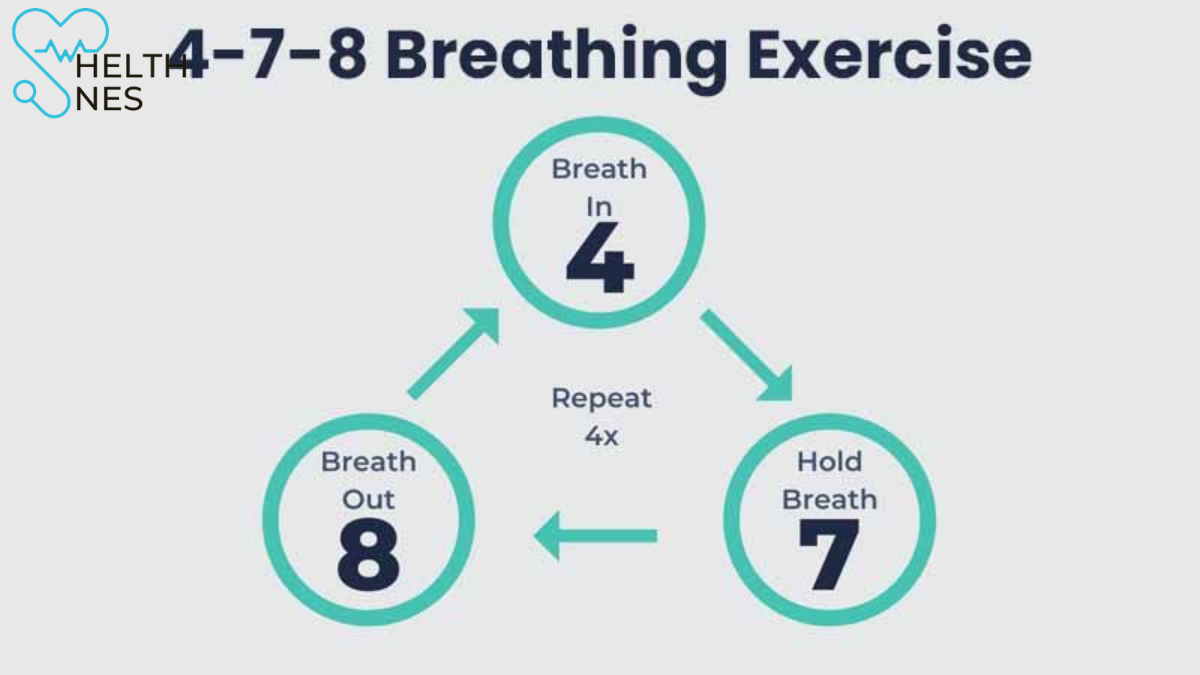
The 4-7-8 breathing technique is a simple yet powerful method for calming anxiety. Inhale through your nose for four seconds, hold your breath for seven seconds, and exhale completely through your mouth for eight seconds. This pattern slows the heart rate and encourages the body to relax, making it especially helpful before bedtime or during moments of intense stress.
Regular practice of 4-7-8 breathing can improve sleep quality, reduce tension, and promote a sense of mental clarity. It is particularly effective in managing sudden spikes of anxiety, allowing you to regain control over your body and mind. With just a few minutes of daily practice, this exercise can become a go-to tool for stress management.
Box Breathing
Box breathing, also known as square breathing, involves inhaling for four seconds, holding the breath for four seconds, exhaling for four seconds, and pausing for another four seconds. This technique is commonly used by athletes, military personnel, and mental health practitioners to maintain calm under pressure. It helps reset your breathing rhythm and increases mental focus during stressful situations.
Box breathing is ideal for reducing tension in both body and mind. By visualising the four sides of a square, your attention is anchored, which prevents your thoughts from spiralling into anxiety. Practicing box breathing regularly can create a habit of calmness, allowing you to approach daily stressors with greater control and confidence.
Diaphragmatic Breathing
Diaphragmatic or belly breathing involves placing one hand on your chest and the other on your stomach. Inhale deeply through the nose, ensuring your belly rises while your chest remains relatively still, and exhale slowly through pursed lips. This exercise encourages deeper oxygen exchange and engages the diaphragm, which enhances relaxation and supports overall respiratory health.
Regular diaphragmatic breathing strengthens the lungs and promotes efficient circulation. It also helps release tension stored in the body, especially around the chest and shoulders. Practicing this technique for just a few minutes a day can significantly reduce stress and create a strong foundation for managing anxiety naturally.
Equal Breathing
Equal breathing, or Sama Vritti, involves inhaling and exhaling for the same duration, typically four seconds each. The smooth, balanced rhythm promotes stability in both mind and body. It encourages steady energy flow and helps you feel grounded, making it a highly effective practice during anxious or stressful moments.
This method is gentle and beginner-friendly, suitable for people of all ages. By practising equal breathing regularly, you can improve emotional regulation, lower stress hormone levels, and cultivate a sense of calm throughout the day. It is particularly useful when combined with meditation or mindfulness exercises.
Alternate Nostril Breathing
Alternate nostril breathing, also called Nadi Shodhana, involves closing one nostril while inhaling through the other and switching nostrils on the exhale. This technique harmonises the nervous system, balances energy, and improves focus, making it ideal for moments of high anxiety or mental fatigue.
Practising alternate nostril breathing enhances clarity and promotes a sense of inner calm. Many people find it helps with sleep and mental alertness. Regular use can create long-term benefits for emotional balance and stress management, complementing other breathing exercises for anxiety.
Lion’s Breath
Lion’s Breath involves inhaling deeply through the nose and exhaling forcefully through the mouth while sticking out your tongue and making a “ha” sound. This playful technique helps release pent-up tension and frustration, creating a physical and emotional release that promotes immediate relief.
Lion’s Breath is ideal for people who feel mentally overwhelmed or physically tense. It is particularly effective for quick stress release and can be combined with other exercises for a complete relaxation routine. Practising it regularly can improve mood and reduce the physical manifestations of anxiety.
Cyclic Sighing
Cyclic sighing involves taking a slow, deep inhale through the nose and exhaling with two long sighs through the mouth. This exercise helps regulate breathing patterns disrupted by anxiety, lowers tension in the body, and promotes a sense of calm. It is simple, quick, and effective for on-the-go stress relief.
Regular cyclic sighing can retrain your nervous system to respond calmly under pressure. It is a subtle yet powerful tool that complements other breathing techniques for anxiety. Practising this method consistently allows your body to reset naturally during stressful or overwhelming situations.
Tips to Maximise the Benefits of Breathing Exercises
To get the most from breathing exercises for anxiety, practise daily, even when you feel calm. Consistency helps train the body and mind to respond more effectively to stress. Pairing breathing exercises with mindfulness, meditation, or light yoga can further enhance relaxation and emotional regulation.
Focus on comfort and avoid forcing your breath. Short, frequent sessions are more effective than long, infrequent practices. Start with 5–10 minutes and gradually increase to 15 minutes as your comfort level improves. Tracking your progress and noticing subtle improvements in mood or tension can motivate you to maintain a regular routine, making anxiety easier to manage over time.
When to Seek Professional Help
While breathing exercises are highly effective for managing mild to moderate anxiety, professional support may be necessary in more severe cases. If anxiety is interfering with your daily life, causing intense panic attacks, or accompanied by physical symptoms such as heart palpitations, it is important to seek medical advice. Professionals can provide therapy, guidance, and, if needed, medication for comprehensive support.
In the UK, resources like the NHS mental health services and local helplines are excellent places to start. Combining professional help with regular breathing exercises can create a holistic approach to anxiety management, ensuring both immediate relief and long-term emotional resilience. Recognising when to seek help is a crucial step toward sustainable stress reduction.
Conclusion
Breathing exercises for anxiety are a natural, accessible, and effective way to reduce stress and restore calm. Techniques such as 4-7-8 breathing, box breathing, diaphragmatic breathing, and cyclic sighing provide immediate relief and support long-term emotional balance. By practising daily, creating a supportive environment, and integrating mindfulness, you can significantly improve your response to stress, gain control over anxious thoughts, and cultivate a calmer, healthier lifestyle.
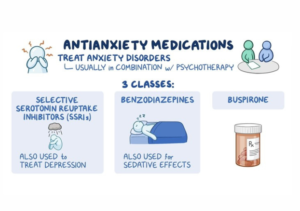
You may also read: What Are Anxiety Medications?