Introduction to Cognitive Behavioral Therapy for Anxiety
Cognitive behavioral therapy for anxiety is a structured, evidence-based approach designed to help individuals understand and manage anxious thoughts and behaviours. Anxiety can be overwhelming, affecting work, relationships, and daily routines. With CBT, people learn to recognise unhelpful thought patterns, develop practical coping strategies, and gradually reduce the intensity of anxious feelings. This approach is widely recommended by the NHS due to its proven effectiveness and practical focus, making it a trusted choice for managing anxiety in the UK.
CBT differs from other forms of therapy because it is action-oriented and goal-driven. Patients do not just discuss feelings—they actively practise strategies to challenge negative thoughts and engage in activities that reduce anxiety. Over time, this structured practice helps build resilience and equips individuals with lifelong skills to manage stress and uncertainty. By combining self-awareness, behavioural exercises, and cognitive techniques, CBT empowers people to take control of their mental wellbeing.
What is Cognitive Behavioral Therapy (CBT)?
Cognitive behavioral therapy, often abbreviated as CBT, is a psychological treatment that focuses on the link between thoughts, feelings, and behaviours. It is based on the principle that unhelpful thoughts contribute to emotional distress and behavioural issues. CBT teaches individuals to identify these harmful patterns and replace them with healthier, more balanced thinking. This method has been extensively researched and is endorsed by healthcare professionals worldwide, including the NHS, as one of the most effective treatments for anxiety disorders.
CBT can be delivered in various formats, including one-on-one therapy, group sessions, or guided self-help programmes. Each format provides structured support, but the underlying principles remain the same: helping individuals understand the root causes of their anxiety and equipping them with practical tools to manage it. The therapy is typically time-limited and focused on achieving measurable results, making it a highly efficient approach to improving mental health and daily functioning.
How CBT Works for Anxiety
Cognitive behavioral therapy for anxiety works by addressing the patterns of thought and behaviour that sustain anxious feelings. Through cognitive restructuring, individuals learn to recognise distortions in thinking, such as catastrophising or overgeneralisation, and replace them with more balanced perspectives. Exposure techniques allow patients to gradually confront situations they fear, reducing avoidance behaviours and building confidence over time. Together, these strategies break the cycle of anxiety, allowing for greater emotional regulation and a reduction in physical symptoms.
Sessions are usually structured and take place weekly, lasting between 5 and 20 sessions depending on the severity of anxiety and individual goals. Patients actively participate by completing exercises and homework outside of therapy sessions, which reinforces the techniques learned in the therapy room. This combination of in-session guidance and real-life practice ensures that CBT benefits extend beyond the sessions, providing long-term skills that can be applied to various aspects of daily life.
Key Techniques and Strategies in CBT
Several core techniques make cognitive behavioral therapy for anxiety effective. Cognitive restructuring helps patients identify negative thoughts and challenge their accuracy, replacing them with evidence-based thinking. This process addresses harmful thinking traps such as all-or-nothing thinking, filtering, and jumping to conclusions. By changing how one interprets situations, anxiety responses can be significantly reduced, creating a sense of mental clarity and control.
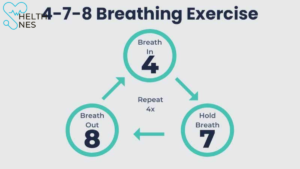
Exposure therapy is another crucial component of CBT. It involves gradually facing feared situations in a safe and controlled manner, helping to diminish the power of anxiety triggers. Behavioural activation encourages individuals to engage in meaningful activities, counteracting withdrawal and inactivity caused by anxious thoughts. Relaxation strategies, including mindfulness, deep breathing, and guided meditation, further reduce the physical symptoms of anxiety. Consistent practice of these techniques, combined with homework exercises like thought records, ensures that patients build strong coping skills that last long after therapy concludes.
What to Expect in a CBT Program for Anxiety
When starting cognitive behavioral therapy for anxiety, individuals typically undergo an initial assessment to evaluate their symptoms, triggers, and personal goals. This helps the therapist create a tailored plan that addresses specific challenges and sets realistic milestones. Sessions are structured, goal-oriented, and collaborative, with therapists guiding patients through techniques while encouraging active participation and self-reflection.
CBT can be delivered in person, online, or in group formats, depending on personal preference and accessibility. During sessions, patients practise skills, discuss real-life situations, and learn how to apply techniques in everyday life. Homework assignments reinforce these lessons, enabling individuals to track progress and identify areas for improvement. Over time, consistent practice leads to reduced anxiety, improved coping strategies, and a greater sense of control over one’s mental health.
Benefits of CBT for Anxiety
Cognitive behavioral therapy for anxiety provides numerous benefits that extend well beyond the therapy sessions. It reduces the frequency and intensity of anxious thoughts, alleviates physical symptoms such as rapid heartbeat and tension, and improves overall emotional regulation. Patients gain practical skills that empower them to face future anxiety triggers confidently, enhancing their quality of life and mental resilience.
CBT is also highly effective because it addresses the root causes of anxiety rather than simply masking symptoms. Unlike medications, which may temporarily relieve anxiety, CBT equips individuals with tools to manage stress and negative thinking for the long term. Studies have shown that NHS-approved CBT produces sustained improvements in anxiety levels, making it a reliable and evidence-based approach for individuals seeking lasting change.
Common Anxiety Disorders Treated with CBT
CBT is highly effective for a variety of anxiety disorders. It is most commonly used to treat Generalized Anxiety Disorder (GAD), social anxiety disorder, panic disorder, and specific phobias. The therapy can also be adapted for post-traumatic stress disorder (PTSD) and health-related anxiety, offering structured strategies to manage distressing thoughts and behaviours safely.
Different anxiety disorders may require tailored techniques. For example, social anxiety often involves role-playing and exposure to social situations, whereas GAD focuses on identifying worry patterns and developing coping strategies. This flexibility allows CBT to be highly personalised, ensuring that each individual receives the most relevant and effective support for their unique challenges.
CBT Compared to Other Anxiety Treatments
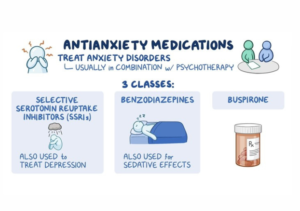
Cognitive behavioral therapy for anxiety is often compared to other treatments such as medications or alternative therapies. While medications like SSRIs can help reduce symptoms, CBT addresses the underlying thought and behaviour patterns that sustain anxiety. Many individuals benefit from a combination of CBT and medication, particularly in cases of severe anxiety, but CBT alone can be highly effective for mild to moderate cases.
CBT stands out because of its structured, time-limited approach and emphasis on active participation. Unlike therapies that focus primarily on discussion, CBT empowers individuals to practise strategies and measure progress. This evidence-based approach has earned CBT a reputation as the gold standard for anxiety treatment, providing both immediate relief and long-term coping skills.
Tips for Maximizing Success with CBT
To get the most out of cognitive behavioral therapy for anxiety, consistency and engagement are essential. Practising exercises between sessions, keeping a thought diary, and completing homework assignments significantly enhance the therapy’s effectiveness. Setting realistic goals and maintaining open communication with a therapist ensures that sessions remain relevant and productive.
Supportive tools such as online CBT programmes, mindfulness practices, and exposure exercises can complement formal therapy. Gradually applying learned strategies in daily life reinforces skills and builds confidence. By actively participating and dedicating time to practise techniques, individuals can achieve meaningful improvements in anxiety management and overall mental wellbeing.
Conclusion
Cognitive behavioral therapy for anxiety is an evidence-based, highly effective approach that empowers individuals to regain control of their thoughts, behaviours, and emotions. By understanding triggers, practising structured techniques, and confronting fears gradually, patients can significantly reduce anxiety symptoms and improve their quality of life. Supported by the NHS and backed by extensive research, CBT provides lasting skills to manage anxiety and maintain mental wellbeing well beyond therapy sessions.
FAQs
What is cognitive behavioral therapy for anxiety?
Cognitive behavioral therapy for anxiety is a structured psychological treatment that helps individuals identify and change negative thought patterns and behaviours that contribute to anxiety. It uses techniques such as cognitive restructuring, exposure therapy, and relaxation exercises to reduce symptoms and build coping skills.
How long does CBT take to work?
The duration of CBT varies but typically ranges from 5 to 20 weekly sessions. The exact length depends on the severity of anxiety, individual progress, and commitment to practising techniques between sessions. Many people begin to notice improvement within a few weeks.
Can CBT be done online?
Yes, CBT can be delivered in person, through online therapy sessions, or via guided digital programmes. Research shows that online CBT can be as effective as face-to-face therapy when patients actively engage in exercises and follow the structured programme.
Is CBT effective for all anxiety disorders?
CBT is effective for most common anxiety disorders, including generalized anxiety disorder, social anxiety, panic disorder, and specific phobias. Techniques can be adapted for PTSD and health-related anxiety, making it a flexible and widely applicable therapy.
Do I need medication with CBT?
Some individuals benefit from combining CBT with medication, particularly in severe cases of anxiety. However, CBT alone is highly effective for many people and provides tools to manage symptoms long-term without relying on medication.
You may also read:Options for Families Who Self-Fund Care