Dengue fever is a serious mosquito-borne viral infection that affects millions globally each year. Although most commonly found in tropical and subtropical regions, increasing international travel has put residents of the UK at risk, particularly those visiting endemic countries. Severe dengue can lead to hospitalisation, organ complications, or even death if left untreated. Vaccination is now a key preventive measure, offering protection for individuals who are either at high risk or planning to travel abroad.
The approval of the Qdenga vaccine in the UK has brought a new layer of safety for travellers. This vaccine provides scientifically proven protection against multiple strains of the dengue virus. Alongside awareness of symptoms, travel precautions, and early treatment options, vaccination is an essential part of safeguarding health. Understanding the vaccine’s availability, eligibility, and cost ensures UK residents can make informed decisions about their protection.
What Is Dengue Fever and Its Symptoms
Dengue fever is caused by the dengue virus, transmitted through the bites of infected Aedes mosquitoes. It can affect anyone but tends to have more severe consequences in individuals with no previous exposure. Symptoms usually appear 4–10 days after infection and often include high fever, intense headache, severe pain behind the eyes, joint and muscle pain, nausea, vomiting, and rashes. Recognizing these signs early is vital to prevent complications.
Severe dengue, also known as dengue hemorrhagic fever, can cause internal bleeding, organ damage, and low blood pressure, potentially leading to shock. For UK travellers, understanding these symptoms is especially important because early intervention can prevent life-threatening outcomes. Awareness encourages timely vaccination and reinforces the need for protective measures, particularly for those travelling to high-risk areas in Asia, Latin America, or Africa.
Overview of Dengue Fever Vaccine in the UK

The dengue fever vaccine UK is a crucial preventive measure designed to protect individuals from serious infections. Qdenga, the approved vaccine, was licensed in 2023 and is recommended for those who have had prior dengue infection or for travellers visiting endemic regions. This vaccine significantly reduces the risk of hospitalisation and severe disease, providing peace of mind for travellers and UK residents.
Unlike other vaccines used in different countries, Qdenga follows a two-dose schedule administered three months apart. Each dose builds immunity, ensuring long-lasting protection. The vaccine is backed by clinical trials demonstrating its safety and effectiveness. Its introduction in the UK reflects advancements in global health practices and provides an essential preventive tool for individuals exposed to dengue risk during travel or in rare domestic cases.
Qdenga Vaccine: How It Works and Effectiveness
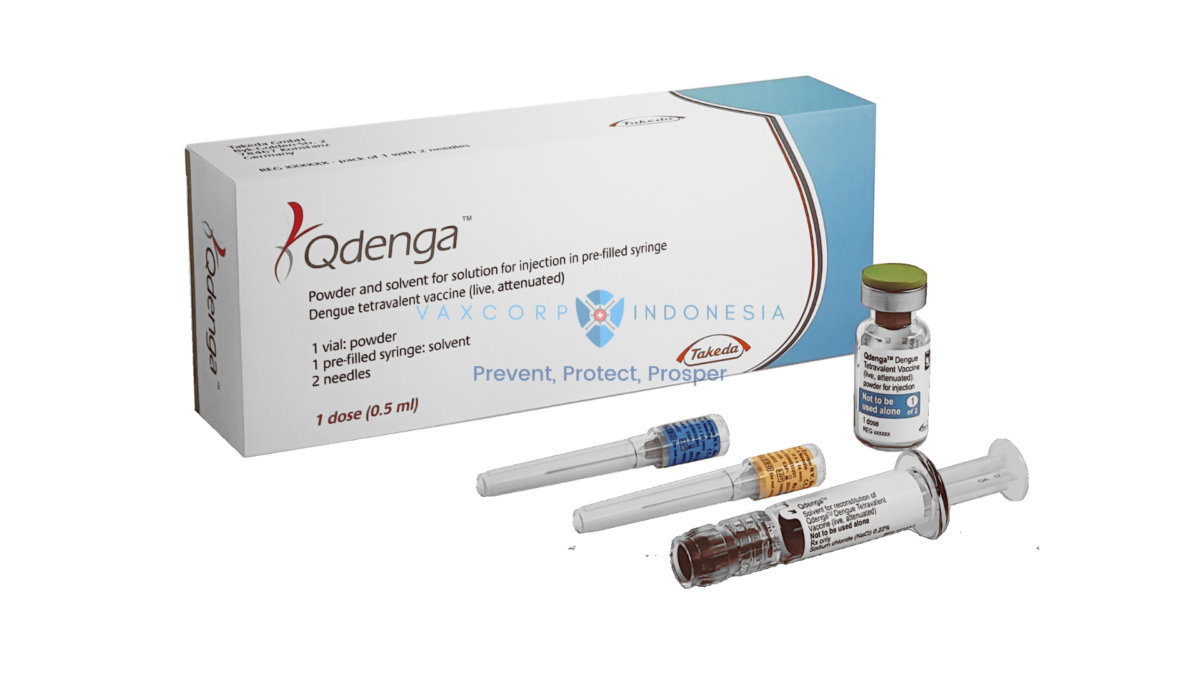
Qdenga is a live attenuated tetravalent vaccine, which means it is designed to protect against all four dengue virus serotypes. The two-dose schedule triggers the immune system to recognize and respond to the virus, providing protection even if exposure occurs later. Clinical studies show that it offers approximately 61% protection against confirmed dengue cases and around 84% protection against infections requiring hospitalisation.
This makes Qdenga especially valuable for travellers and individuals with previous exposure to dengue. The vaccine is suitable for adults and children aged four years and older, offering flexible coverage for families. By stimulating immunity safely and effectively, Qdenga ensures that vaccinated individuals are better prepared to prevent severe complications associated with dengue, highlighting the importance of timely vaccination for UK residents planning international travel.
Eligibility Criteria: Who Can Get the Vaccine
The dengue fever vaccine UK is recommended for anyone aged four years and above, particularly those who have experienced a prior dengue infection. Travellers planning to visit dengue-endemic regions should also consider vaccination, even if they have never contracted the disease before. Proper eligibility ensures both safety and optimal effectiveness, reducing the risk of severe illness during travel.
Certain medical conditions may require consultation before vaccination. Pregnant women, immunocompromised individuals, or people with severe allergies should seek specialist advice to avoid complications. Healthcare providers assess risks and benefits for each individual, ensuring the vaccination process is both safe and effective. Following the eligibility guidelines maximizes the protective benefits of the vaccine while minimizing potential side effects.
Dengue Fever Vaccine UK Availability: NHS, Boots, and Private Clinics
In the UK, Qdenga is available through private travel clinics, select pharmacies like Boots, and, under specific circumstances, the NHS. While NHS coverage is limited to individuals at higher risk, private providers offer easier access for travellers and residents looking for preventive protection. Appointments can often be booked online, allowing convenient scheduling ahead of travel.
Travel clinics play a key role in guiding patients through the vaccination process. They provide information on dose scheduling, side effects, and post-vaccination care. Pharmacies and clinics ensure that UK residents have timely access to the vaccine, making it easier to prepare for travel while reducing the risk of dengue infection abroad. Proper planning and early booking are highly recommended for peak travel periods.
Dengue Fever Vaccine UK Cost and Pricing Options
The dengue fever vaccine UK cost varies depending on the provider. Private clinics typically charge between £150 and £200 per dose, with two doses required for full protection. NHS availability is limited, focusing mainly on high-risk individuals or those with prior infections. Understanding the cost helps travellers plan both financially and medically before departure.
Some private providers offer package deals for families or multi-dose plans, making it easier to complete the schedule efficiently. Travel insurance may also cover part of the vaccination cost, providing further financial support. Comparing options ensures that UK residents can choose the most convenient and cost-effective solution while ensuring maximum protection against dengue.
Safety, Side Effects, and Precautions
The Qdenga vaccine is generally safe, with most side effects being mild and temporary. Common reactions include slight pain at the injection site, low-grade fever, fatigue, or mild headaches. Serious side effects are rare but can occur, especially in individuals with specific pre-existing conditions. Medical supervision during vaccination helps manage these risks effectively.
Patients are advised to follow precautions post-vaccination, including monitoring for unusual symptoms and maintaining general health practices. Vaccination, combined with proper guidance and medical consultation, provides a safe, effective method to reduce the risk of severe dengue. The dengue fever vaccine UK remains a reliable preventive tool for residents and travellers alike.
Travel Considerations: Why Vaccination Matters for Travellers
Travellers from the UK visiting dengue-endemic regions face a heightened risk of infection, which can lead to severe complications without proper preventive measures. Vaccination with Qdenga provides a significant layer of protection, ensuring travellers can explore these regions with greater confidence and reduced health risks.
Timing is essential: completing the two-dose schedule before departure ensures maximum immunity. Combining vaccination with other preventive strategies, such as mosquito repellents, protective clothing, and awareness of dengue symptoms, creates comprehensive protection. This holistic approach enables UK travellers to stay safe while enjoying international travel.
Preventive Measures Alongside Vaccination
Even after vaccination, protective measures against mosquito bites remain crucial. Using repellents containing DEET, wearing long-sleeved clothing, and sleeping under mosquito nets help prevent exposure. Being aware of symptoms and acting promptly if infection occurs further reduces risk.
Vaccination should be considered part of a broader preventive strategy. By combining immunization with personal protection measures, travellers from the UK can ensure maximum safety. These steps not only reduce the likelihood of infection but also promote early detection and treatment, making travel healthier and stress-free.
Conclusion
The dengue fever vaccine UK provides an essential line of defense against a potentially dangerous disease. Qdenga offers proven protection for adults and children, especially those with prior dengue infections or planning to travel to endemic regions. Alongside preventive measures, vaccination ensures reduced risk of hospitalisation and severe complications. Staying informed about eligibility, cost, and availability allows UK residents and travellers to make proactive, safe choices regarding dengue prevention.
FAQs
1. What is the dengue fever vaccine available in the UK?
The Qdenga vaccine is the approved dengue fever vaccine in the UK, offering protection against all four dengue virus types.
2. Who should get the dengue fever vaccine in the UK?
Individuals aged four years and above, particularly those with prior dengue infection or travellers to endemic regions, are recommended for vaccination.
3. Where can I get the dengue fever vaccine in the UK?
The vaccine is available at private travel clinics, pharmacies like Boots, and under certain NHS guidelines for at-risk individuals.
4. How much does the dengue fever vaccine cost in the UK?
Private clinics typically charge £150–£200 per dose. NHS coverage is limited to specific high-risk groups.
5. What are the common side effects of the dengue vaccine?
Mild effects include pain at the injection site, headache, fatigue, or low-grade fever. Severe reactions are rare.
6. How effective is the Qdenga vaccine?
It provides approximately 61% protection against confirmed dengue and 84% protection against infections requiring hospitalisation.
7. Do I still need mosquito precautions after vaccination?
Yes. Vaccination reduces the risk of severe dengue but does not completely prevent infection.
8. When should travellers complete the vaccination schedule?
The two-dose schedule should be completed at least three months apart, preferably before travelling to dengue-endemic regions.
You may also read: visite a home page
You may also read: men’s health competitions
You may also read: our future health reviews
You may also read: what kills a sore throat fast overnight