Introduction
Depression is a complex mental health condition that affects millions of people worldwide. It can cause persistent sadness, fatigue, a loss of interest in everyday activities, and disruptions in sleep and appetite. Understanding the variety of depression treatment options is essential because early intervention can prevent symptoms from worsening and improve overall quality of life. Seeking professional guidance helps individuals choose the best approach for their unique circumstances, whether it involves therapy, medication, or lifestyle modifications.
Every person experiences depression differently, and there is no universal solution. A successful treatment plan often combines multiple approaches to address both the psychological and physiological aspects of the condition. This guide will provide an in-depth overview of available treatments, including conventional therapies, medications, advanced brain stimulation techniques, and lifestyle strategies that support long-term recovery and emotional well-being.
Understanding Depression
Depression, also known as major depressive disorder, is more than just feeling sad or having a low mood. It can manifest as persistent feelings of hopelessness, irritability, difficulty concentrating, and a lack of motivation. Physical symptoms such as changes in sleep patterns, appetite, and energy levels are also common. The causes of depression are multifactorial, often involving genetic predisposition, chemical imbalances in the brain, environmental stressors, and traumatic life experiences. Recognizing these factors is crucial in selecting the right depression treatment options.
Without proper treatment, depression can negatively impact relationships, work performance, and overall health. People may experience social withdrawal, feelings of guilt, or even thoughts of self-harm. Understanding the signs and underlying causes allows patients and their families to seek timely help. Comprehensive treatment plans address both symptoms and root causes, improving recovery outcomes and reducing the likelihood of relapse over time.
Common Therapy-Based Treatments
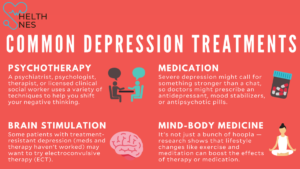
Psychotherapy, often called talk therapy, is a fundamental component of effective depression treatment options. Cognitive Behavioral Therapy (CBT) is widely used and focuses on identifying and changing negative thought patterns that contribute to depressive symptoms. Interpersonal Therapy (IPT) helps individuals navigate relationship challenges and social issues that may worsen depression. Psychodynamic therapy explores underlying emotional conflicts, while supportive therapy helps develop coping skills and emotional resilience.
Therapy alone may be sufficient for mild depression, but it is often combined with medication for moderate to severe cases. Regular sessions, typically weekly, can last several months, depending on individual needs and progress. Therapy empowers patients to understand their emotions, develop healthier thought patterns, and acquire tools for managing stress and preventing future depressive episodes, making it a highly effective and sustainable treatment approach.
Medication Options for Depression
Medication is a critical component of many depression treatment options, especially for moderate to severe cases. Selective Serotonin Reuptake Inhibitors (SSRIs) such as fluoxetine and sertraline are commonly prescribed due to their proven effectiveness and relatively mild side effects. If SSRIs are insufficient, Serotonin-Norepinephrine Reuptake Inhibitors (SNRIs) or atypical antidepressants like bupropion may be recommended. These medications help balance brain chemicals to improve mood, energy levels, and overall functioning.
Tricyclic antidepressants (TCAs) and Monoamine Oxidase Inhibitors (MAOIs) are usually considered when first-line medications fail to produce results. Choosing the right antidepressant often involves trial and error, requiring careful monitoring of side effects, dosage adjustments, and ongoing communication with a healthcare provider. Medications work best when combined with psychotherapy, lifestyle changes, and supportive care, ensuring a comprehensive approach to recovery.
Brain Stimulation and Advanced Treatments
For individuals who do not respond to standard therapies or medications, advanced treatments such as Electroconvulsive Therapy (ECT) and Transcranial Magnetic Stimulation (TMS) may provide significant relief. ECT involves delivering controlled electrical currents to the brain, inducing a brief seizure that can alleviate severe depressive symptoms. It is highly effective for treatment-resistant cases and those with suicidal ideation. TMS uses magnetic pulses to stimulate nerve cells in the brain, promoting mood regulation and symptom improvement.
Other advanced options include Vagus Nerve Stimulation (VNS) and Deep Brain Stimulation (DBS), typically reserved for the most severe, treatment-resistant depression. These interventions modulate brain activity to restore normal neural function. While not suitable for everyone, they represent important options for patients who have not achieved relief through conventional therapies, emphasizing the importance of personalized treatment plans.
Lifestyle Changes and Alternative Approaches
Lifestyle adjustments are essential for supporting conventional depression treatment options and promoting long-term recovery. Regular physical activity releases endorphins, which naturally improve mood and reduce stress. Adequate sleep, a balanced diet, and mindfulness practices such as meditation or yoga further enhance emotional stability and cognitive function. Social support from friends, family, or peer groups strengthens resilience and encourages adherence to treatment plans.
Alternative approaches, including light therapy for seasonal affective disorder or omega-3 supplementation, may complement traditional treatments. While these methods are generally safe, they should always be used under medical supervision, especially alongside prescription medications. Combining lifestyle improvements with therapy or medication often yields the best results, helping patients regain energy, motivation, and a sense of control over their lives.
Choosing the Right Treatment Plan
Selecting the most appropriate depression treatment options requires careful consideration of symptom severity, medical history, age, and personal preferences. Many patients benefit from combination approaches that integrate therapy, medications, and lifestyle strategies. Consulting qualified mental health professionals ensures that treatment plans are evidence-based, safe, and tailored to individual needs.
Regular monitoring and adjustments are critical to long-term success. Patients should maintain open communication with healthcare providers and track their progress over time. Personal commitment to treatment, alongside professional guidance, fosters resilience, improves coping skills, and reduces the risk of relapse. Understanding the available options empowers individuals to actively participate in their recovery and make informed choices.
Conclusion
Depression is a treatable condition, and exploring a wide range of depression treatment options can significantly improve quality of life. Therapy, medication, advanced treatments, and lifestyle modifications all play complementary roles in managing symptoms and supporting recovery. Early intervention, personalized care, and patience are essential components of effective treatment.
With the right approach, people living with depression can regain emotional stability, restore their energy, and achieve meaningful improvements in daily functioning. By understanding the available options and actively participating in care, individuals can overcome challenges, build resilience, and find hope for a healthier, balanced life.
Frequently Asked Questions (FAQs)
What are the most effective depression treatment options?
A combination of psychotherapy, medication, and lifestyle changes is often the most effective, tailored to individual needs.
How long does it take for depression treatments to work?
Therapy may take weeks to months, while medications typically show results in 4–6 weeks. Combining approaches may accelerate improvement.
Can depression be treated without medication?
Mild to moderate depression may be managed through therapy and lifestyle adjustments, but medication may be needed in severe cases.
What is treatment-resistant depression?
This occurs when standard therapies and medications fail, often requiring advanced treatments like ECT, TMS, or DBS.
How do lifestyle changes help with depression?
Exercise, healthy sleep, diet, stress management, and social support can reduce symptoms and enhance the effectiveness of other treatments.
Are alternative remedies safe for depression?
Some, like light therapy and omega-3 supplements, may help but should be used under professional supervision, especially alongside medication.
Can children or teens receive the same depression treatments as adults?
Many therapies are safe for younger individuals, but medications and dosages may differ. Professional guidance is essential.
You may also read: Long-Term Effects of Anxiety Medications