Anxiety is one of the most common mental health challenges affecting millions of people worldwide. While occasional worry or stress is a normal part of life, persistent anxiety can disrupt daily routines, relationships, and personal well-being. Understanding how therapy works for anxiety is essential for anyone looking to regain control over their thoughts and emotions. Therapy offers a structured, supportive environment to explore the underlying causes of anxiety and develop effective coping strategies.
Therapy is more than just talking about your problems. It provides evidence-based methods and practical tools that empower individuals to manage their fears, reduce stress, and regain confidence in their abilities. By understanding the process, techniques, and benefits of therapy, individuals can approach treatment with realistic expectations and a sense of hope for meaningful improvement in their mental health.
Understanding Anxiety and Its Impact
Anxiety is a natural response to stress, designed to help us respond to perceived threats. However, when anxiety becomes excessive, constant, or irrational, it can develop into a disorder that significantly affects daily life. Symptoms may include racing thoughts, restlessness, sleep difficulties, muscle tension, irritability, and avoidance behaviors. Recognizing the difference between everyday stress and clinical anxiety is the first step toward seeking appropriate treatment and relief.
Different types of anxiety disorders exist, each with unique characteristics. Generalized Anxiety Disorder (GAD) involves persistent worry about various aspects of life. Social anxiety causes fear in social or performance situations, while panic disorder triggers sudden, intense episodes of fear. Phobias focus on specific objects or scenarios, and health anxiety amplifies concerns about medical conditions. Therapy can be tailored to address these different forms, helping individuals navigate life with reduced fear and increased confidence.
Anxiety can impact many areas of daily life, including work performance, relationships, and decision-making abilities. People often develop avoidance behaviors that reinforce their fears, creating a cycle of anxiety that is difficult to break. Therapy helps individuals identify these patterns, understand their triggers, and develop strategies to manage anxiety in real-world situations, improving overall quality of life.
What Is Therapy for Anxiety?
Therapy, or psychotherapy, is a collaborative process where a trained professional works with an individual to explore emotions, thoughts, and behaviors. It offers a safe, structured environment for reflection and learning, helping people understand the underlying causes of their anxiety and develop coping mechanisms. Therapy is an active, goal-oriented process that encourages participation, practice, and self-awareness.
The primary goals of therapy for anxiety are to reduce symptoms, improve coping skills, and reframe negative thinking patterns. Over time, therapy can increase emotional resilience, improve self-confidence, and help individuals respond to stress in healthier ways. Understanding these goals clarifies how therapy works for anxiety and why it remains a leading treatment approach worldwide.
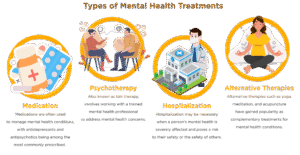
Therapy differs from medication in its approach. While medications may temporarily relieve symptoms, therapy equips individuals with skills to manage anxiety long-term. In many cases, therapy alone can provide lasting relief, and combining therapy with medication may enhance results for those with severe anxiety. By learning practical strategies and understanding their thoughts, individuals can achieve sustainable improvements without relying solely on medication.
How Therapy Works for Anxiety

Therapy typically begins with an initial assessment, where the therapist evaluates symptoms, personal challenges, and specific triggers. This stage establishes a clear understanding of the individual’s experiences and sets measurable, achievable goals for treatment. Goal setting ensures that therapy is tailored to the person’s needs and creates a roadmap for progress and growth.
Therapists help clients recognize the connection between thoughts, emotions, and behaviors. Anxiety often stems from unhelpful or distorted thinking patterns, which can intensify fears and stress. By understanding these patterns, clients can learn to respond to anxiety in a healthier way, breaking the cycle of avoidance and fear reinforcement. Recognizing the link between cognition and emotion is a key component of effective treatment.
Changing negative thought patterns is a cornerstone of therapy for anxiety. Techniques like cognitive restructuring encourage individuals to identify irrational fears and replace them with balanced, realistic thinking. This process reduces emotional distress, enhances clarity, and empowers individuals to regain control over their reactions. Learning to challenge unhelpful thoughts is a critical step in how therapy works for anxiety.
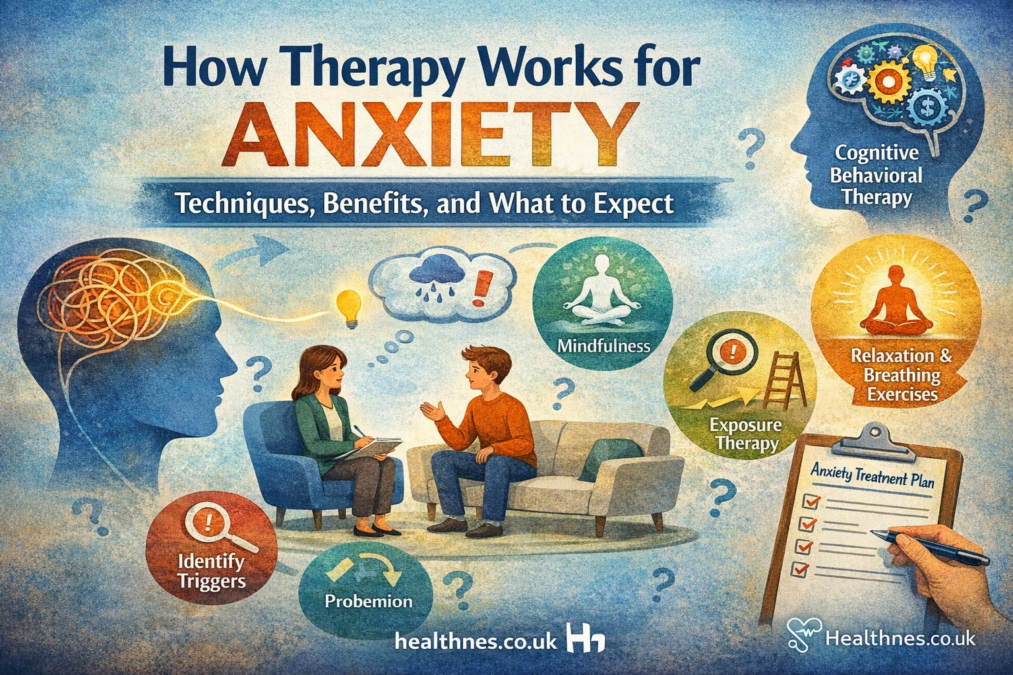
Therapy also focuses on teaching practical coping skills to manage anxiety in real time. Relaxation techniques, deep breathing, mindfulness exercises, and grounding practices provide tools for calming the body and mind. These strategies help individuals navigate stressful situations, prevent panic episodes, and maintain emotional stability, creating a foundation for long-term mental health improvement.
Practice and real-life application are essential for successful therapy. Therapists often assign homework and encourage gradual exposure to feared situations. By practicing new skills and confronting fears in a controlled environment, individuals build confidence and resilience. Integrating therapy lessons into daily life ensures that improvements are not temporary but sustained over time.
Types of Therapy Used for Anxiety
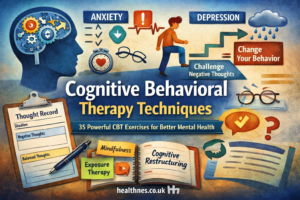
Cognitive Behavioral Therapy (CBT) is the most widely used and researched approach for anxiety treatment. It focuses on identifying negative thought patterns, challenging unhelpful beliefs, and promoting healthier behaviors. CBT is highly structured and goal-oriented, providing measurable results that empower clients to manage anxiety effectively.
Exposure therapy is a behavioral approach that gradually introduces clients to situations or objects they fear in a safe and controlled manner. Over time, this process reduces avoidance behaviors, desensitizes the fear response, and helps individuals build confidence in confronting previously distressing situations.
Acceptance and Commitment Therapy (ACT) emphasizes accepting anxious thoughts rather than resisting them, while guiding clients to take actions aligned with their personal values. This approach fosters psychological flexibility, resilience, and the ability to pursue meaningful life goals despite anxiety.
Psychodynamic therapy explores unconscious patterns and past experiences that may contribute to current anxiety. By gaining insight into these underlying factors, clients can understand why anxiety arises and learn to manage it more effectively, resulting in long-term emotional growth.
Additional supportive approaches, including mindfulness-based therapy and solution-focused therapy, enhance self-awareness, reduce stress, and improve emotional regulation. These methods complement traditional therapies, providing holistic support for individuals managing anxiety.
Techniques Therapists Use to Treat Anxiety
Therapists employ a variety of strategies to help clients manage anxiety. Cognitive restructuring helps identify and change unhelpful thought patterns, while relaxation exercises, deep breathing, and grounding techniques manage physical symptoms. Mindfulness practices encourage present-moment awareness, reducing rumination and fear-driven thinking.
Behavioral experiments, journaling, and problem-solving strategies further equip individuals with tools to cope with anxiety. Practicing these techniques consistently strengthens emotional resilience and builds confidence, allowing individuals to navigate everyday challenges with reduced anxiety and improved mental well-being.
What Happens During Therapy Sessions
Therapy sessions provide a structured yet flexible environment where individuals can explore emotions, thoughts, and behaviors safely. Clients work collaboratively with therapists to identify triggers, discuss challenges, and practice coping techniques. Sessions are tailored to individual needs, with each meeting building on previous progress to ensure measurable growth.
Over time, therapy sessions teach practical skills, foster self-awareness, and reduce the intensity and frequency of anxiety symptoms. Clients learn to recognize early warning signs, implement coping strategies, and respond effectively to stressful situations. This consistent, guided practice is key to understanding how therapy works for anxiety and achieving long-term improvements.
Conclusion
Therapy is a proven, effective method for managing anxiety and improving overall mental health. By understanding how therapy works for anxiety, individuals can approach treatment with confidence and realistic expectations. Techniques like CBT, exposure therapy, and coping skills training empower people to reduce symptoms, regain control, and build emotional resilience. With commitment and professional guidance, therapy offers a path to lasting relief and improved quality of life.
FAQs
How long does therapy for anxiety take to show results?
Many individuals notice improvements within 6–12 weeks, especially with CBT. Long-term benefits depend on consistent practice and engagement in therapy exercises.
Can therapy completely eliminate anxiety?
Therapy helps manage and significantly reduce symptoms, though anxiety may occasionally recur. Practicing learned coping strategies maintains long-term improvements.
Which type of therapy is best for anxiety?
CBT is widely recognized as the most effective approach, but therapy should be tailored to individual needs. ACT, exposure therapy, and psychodynamic approaches may also be suitable depending on the person.
Do I need medication alongside therapy?
Severe anxiety may require medication, but many people benefit from therapy alone. A mental health professional can recommend the best approach.
How can I prepare for my first therapy session?
Be open about your symptoms, triggers, and goals. Write down challenges or situations causing anxiety to help guide the session effectively.
You may also read: Common Cognitive Distortions CBT Targets