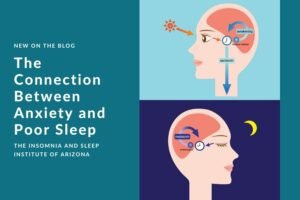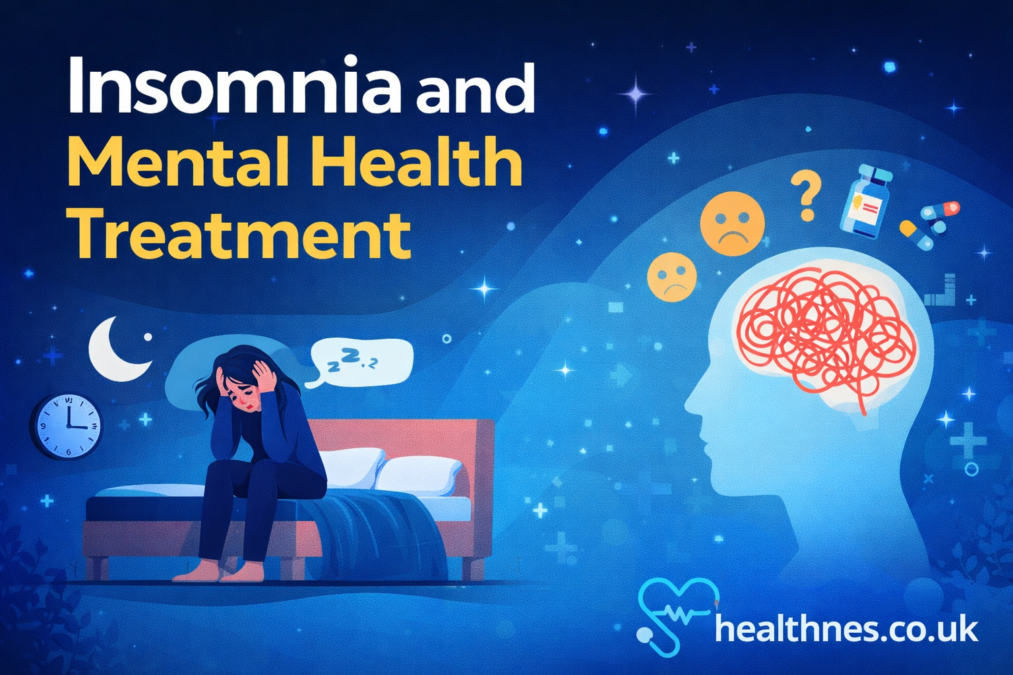
Insomnia is not simply a matter of occasional sleepless nights; it is a chronic condition that can profoundly impact mental health. Individuals experiencing insomnia often face heightened levels of anxiety, depression, and cognitive difficulties such as poor focus and memory issues. These sleep disruptions create a vicious cycle where poor sleep exacerbates mental health symptoms, and emotional stress makes it even harder to rest. Understanding this link is crucial for anyone seeking lasting relief and improved well-being.
In the UK, millions suffer from insomnia, making it one of the most common yet often overlooked health concerns. Effective insomnia and mental health treatment requires an integrated approach that addresses both sleep quality and emotional health. Early intervention, evidence-based therapies, and consistent lifestyle changes can break this cycle, providing individuals with restorative sleep and improved mental resilience.
Understanding the Connection Between Insomnia and Mental Health
Insomnia can be classified into short-term and chronic forms, with chronic insomnia defined as difficulty sleeping for three or more nights per week over a period of three months or longer. While occasional sleeplessness is normal, persistent insomnia is strongly linked to mental health disorders such as anxiety, depression, and stress-related conditions. Poor sleep triggers an overproduction of stress hormones like cortisol, which disrupt emotional regulation and cognitive function, creating a feedback loop that worsens both sleep and mental health.
This relationship means that treating insomnia in isolation often fails to produce long-term results. Mental health challenges can prevent the brain from relaxing at night, while lack of sleep increases emotional reactivity and decreases resilience. Recognizing and addressing both components—sleep and mental well-being—is essential for a comprehensive insomnia and mental health treatment plan. By focusing on this dual approach, individuals can regain control over their sleep patterns and overall quality of life.
Key Approaches to Treating Insomnia and Mental Health
Cognitive Behavioral Therapy for Insomnia (CBT-I) is widely recognized as the most effective treatment for chronic sleeplessness. This structured therapy helps individuals identify and modify thoughts, behaviors, and habits that prevent restorative sleep. CBT-I often includes techniques such as stimulus control, sleep restriction, and relaxation exercises, all designed to retrain the brain to associate bedtime with rest rather than frustration. Research shows that 60-80% of participants experience significant improvement, often with lasting effects that reduce anxiety and depression.
Alongside CBT-I, proper sleep hygiene practices are essential. These include maintaining a consistent sleep schedule, creating a dark and quiet bedroom environment, and avoiding stimulants like caffeine or alcohol close to bedtime. Minimizing screen exposure before sleep helps regulate the circadian rhythm and encourages natural melatonin production. Combining these practices with therapy strengthens the effectiveness of insomnia and mental health treatment, ensuring that improvements in sleep are sustainable and impactful on overall mental well-being.
Relaxation and stress-reduction techniques further enhance treatment outcomes. Practices such as meditation, deep breathing, progressive muscle relaxation, and guided imagery help calm the nervous system and reduce bedtime anxiety. These methods are particularly beneficial for individuals whose insomnia is linked to overthinking or heightened emotional stress. By incorporating relaxation routines into a nightly schedule, patients can train their minds to let go of tension and prepare the body for a restorative night of sleep, complementing therapy and lifestyle strategies.
Medical and Professional Interventions

While behavioral therapies and lifestyle adjustments are the foundation of insomnia treatment, medical interventions can provide valuable short-term support. Prescription medications, such as sedatives or orexin receptor antagonists, may be recommended in specific cases to help regulate sleep patterns. However, these medications are generally advised for short-term use due to dependency risks and potential side effects. Long-term reliance on medication without addressing underlying causes rarely leads to lasting improvement in sleep or mental health.
Light therapy is another professional intervention that can improve the body’s sleep-wake cycle. Typically administered in the morning, this therapy uses controlled exposure to bright light to reset circadian rhythms, which is especially helpful for individuals experiencing delayed sleep phases or seasonal disruptions. Consulting a doctor or mental health professional is vital when insomnia persists for weeks, affects daily functioning, or exacerbates anxiety and depression. A coordinated approach that combines medical support with behavioral and lifestyle interventions ensures the most effective insomnia and mental health treatment outcomes.
Lifestyle Changes That Support Sleep and Mental Health
Lifestyle habits play a critical role in improving both sleep quality and mental well-being. Regular physical activity has been shown to reduce stress, improve mood, and regulate the body’s natural sleep rhythms. Exercise should ideally be done earlier in the day to avoid overstimulation at night. A balanced diet that avoids heavy meals or stimulants close to bedtime can also promote deeper, more restorative sleep. Small adjustments, such as reducing alcohol consumption and limiting caffeine intake in the afternoon and evening, can make a significant difference in sleep quality.
Establishing a calming bedtime routine further enhances sleep and reduces anxiety. Activities such as reading, journaling, stretching, or taking a warm bath signal the body that it’s time to unwind. Managing daily stress through mindfulness, meditation, or professional counseling helps prevent emotional overload from interfering with sleep. By consistently applying these lifestyle changes alongside therapy or medical guidance, individuals can maintain better sleep patterns and experience sustained improvements in mental health and overall quality of life.
Tracking Progress and Maintaining Long-Term Results
Monitoring sleep patterns is essential for evaluating the effectiveness of insomnia and mental health treatment. Keeping a sleep diary or using digital tracking tools allows individuals to identify triggers, measure improvements, and adjust strategies as needed. Awareness of sleep trends also helps detect early warning signs of relapse, enabling proactive measures to maintain consistent rest.
Long-term success requires consistency in therapy, lifestyle habits, and stress management techniques. Regular follow-ups with healthcare providers ensure that both sleep quality and mental health remain on track. Combining self-monitoring with professional guidance helps individuals build resilience against insomnia and its emotional impacts, ensuring lasting benefits and a more balanced, restorative sleep cycle.
Conclusion
Insomnia and mental health are deeply interconnected, creating a cycle that can affect every aspect of daily life. Effective treatment requires an integrated approach that combines evidence-based therapy, lifestyle adjustments, relaxation practices, and, when necessary, professional medical interventions. By addressing both sleep and mental health simultaneously, individuals can break the cycle of sleeplessness, reduce anxiety, and achieve restorative sleep. Early intervention and consistent habits lead to long-term improvements in both physical and emotional well-being.
FAQs
What is the most effective treatment for insomnia and mental health issues?
Cognitive Behavioral Therapy for Insomnia (CBT-I) is widely recognized as the gold standard. When combined with lifestyle adjustments and short-term medical support if needed, it provides lasting relief for sleep problems and related mental health concerns.
Can insomnia cause anxiety or depression?
Yes, chronic insomnia can significantly increase the risk of anxiety and depression. Poor sleep disrupts brain function and emotional regulation, creating a cycle where mental health issues worsen without treatment.
How long does it take for insomnia treatments to work?
Behavioral therapies like CBT-I typically show improvement within 4–8 weeks. Lifestyle changes support ongoing sleep quality and help prevent relapse, ensuring long-term benefits.
Are sleep medications safe for mental health patients?
Medications can be helpful short-term but are not a standalone solution. Long-term management should focus on therapy, relaxation techniques, and healthy sleep habits to avoid dependency and side effects.
What lifestyle habits improve sleep and reduce anxiety?
Regular exercise, consistent sleep schedules, dark and quiet bedrooms, avoiding late caffeine or alcohol, and relaxation techniques such as meditation or deep breathing are highly effective for maintaining good sleep and mental health.
When should I consult a doctor for insomnia?
Consult a doctor if sleeplessness persists for weeks, affects daily life, or worsens anxiety or depression. Early professional intervention significantly improves treatment outcomes.
You may also read: Create a Relaxing Sleep Environment