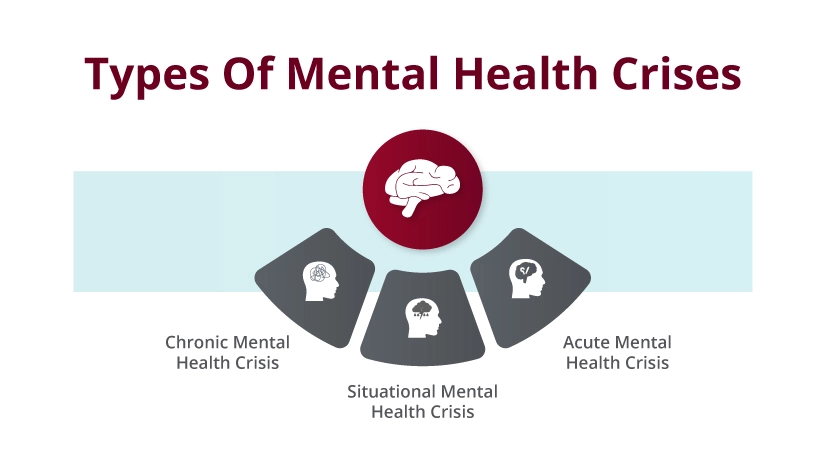
Introduction: Understanding Mental Health Crises
A mental health crisis can occur unexpectedly, affecting anyone regardless of age, background, or lifestyle. It involves moments when emotions, thoughts, or behaviors become overwhelming, making it difficult for someone to cope safely. Recognizing a crisis early and seeking mental health crisis help is essential. Immediate support can prevent harm, reduce stress, and provide access to trained professionals who can guide individuals through intense emotional experiences.
Mental health crises can manifest in different ways. Some crises involve suicidal thoughts, self-harm, or aggressive behavior, while others may include severe anxiety, panic attacks, or sudden emotional breakdowns. Understanding the nature of a crisis and knowing where to turn for help is crucial for recovery. Timely intervention often makes the difference between escalating risk and effective support, emphasizing the importance of being prepared and aware of available resources.
What is a Mental Health Crisis?
A mental health crisis occurs when an individual experiences emotional or psychological distress that feels unmanageable or dangerous. Crises may arise from sudden life events, personal trauma, or worsening mental health conditions. During these moments, the individual may struggle to make rational decisions or control their actions, increasing the risk of harm. Seeking mental health crisis help immediately can provide both safety and guidance.
Unlike ongoing mental health challenges, crises are acute and urgent, requiring rapid intervention. They often demand professional attention, whether through hotlines, emergency services, or in-person support. Recognizing the difference between everyday stress and a crisis ensures timely access to resources, helping prevent long-term consequences and improving recovery outcomes.
Signs You or Someone Else May Be in Crisis
Identifying the signs of a mental health crisis is vital for prompt intervention. Common indicators include sudden withdrawal from friends and family, extreme mood swings, agitation, or expressions of hopelessness. Physical changes, such as disrupted sleep patterns, significant weight changes, or low energy, may also signal distress. Recognizing these patterns allows for immediate action to prevent further escalation.
Other warning signs may include talking about self-harm, expressing feelings of being trapped, or showing intense anxiety and panic. When observing these signs in yourself or someone else, it is essential to seek mental health crisis help without delay. Early recognition and intervention can save lives, provide emotional relief, and connect individuals with necessary professional support.
Immediate Steps to Take During a Crisis
During a mental health crisis, prioritizing safety is the most important action. Remove access to dangerous objects if possible, and create a calm, secure environment. Reach out to someone trustworthy, such as a friend, family member, or mental health professional, who can provide support and guidance through the crisis. Acting quickly can prevent self-harm and ensure the individual feels supported.
Calling emergency services (999 in the UK) is essential when there is immediate risk of self-harm or danger. Using clear, compassionate communication helps de-escalate the situation, offering reassurance and stability. Seeking mental health crisis help promptly connects the individual with trained professionals who can provide critical interventions and guide the person to long-term support.
24/7 UK Hotlines and Support Services
The UK has several 24/7 support services for individuals experiencing a mental health crisis. Samaritans (116 123) provides confidential phone support, while Shout (text “SHOUT” to 85258) offers instant crisis text assistance. Papyrus HOPELINEUK (0800 068 4141) supports young people with suicidal thoughts, and Mind Infoline (0300 123 3393) offers information and guidance on local services. These services are available around the clock, free of charge, and provide vital emotional support.
Hotlines and online chat services are especially helpful for those who feel unable to speak openly in person. They allow individuals to share their feelings safely, gain guidance, and connect with emergency resources. Using these services ensures immediate access to trained professionals, making them a cornerstone of mental health crisis help in the UK.
How to Access Local Mental Health Services in the UK
Local NHS services are crucial for follow-up care and long-term support. GPs can provide urgent referrals, and many areas offer community mental health crisis teams or mobile units that provide on-site support. Walk-in centres and urgent care facilities may also assist those in crisis, ensuring quick access to professional help.
Online directories and NHS service portals can help locate mental health teams in specific regions, making it easier to find timely support. Combining local services with 24/7 hotlines creates a robust safety net for anyone facing a crisis. Early intervention often improves recovery outcomes and reduces the likelihood of repeated emergencies.
Coping Strategies While Waiting for Help
While awaiting professional help, safe coping strategies can reduce stress and emotional overwhelm. Grounding techniques, such as deep breathing exercises or focusing on sensory experiences, help calm the mind. Journaling thoughts and feelings can provide clarity and an outlet for intense emotions, reducing the immediate pressure of the crisis.
Engaging in light physical activity, listening to soothing music, or connecting with supportive friends are other effective strategies. Avoid harmful coping mechanisms, such as alcohol, drugs, or self-harm, which can worsen the situation. Using these methods while accessing mental health crisis help ensures safety and emotional stability until professional support is available.
Supporting Friends and Family in Crisis
Supporting someone in a mental health crisis requires patience, empathy, and practical guidance. Listening without judgment is critical, as is reassuring the individual that seeking help is a courageous and necessary step. Encourage them to contact professional resources or accompany them to local services if needed.
Setting personal boundaries is also essential to protect your own mental health while helping someone else. You can provide emotional support effectively without sacrificing your wellbeing. Knowing how to respond safely and compassionately can make a significant difference in the recovery process and helps the individual feel understood and supported.
Long-Term Support and Recovery Options
Recovery following a mental health crisis often involves long-term support and planning. Therapy, such as cognitive-behavioral therapy (CBT), counselling, or group therapy, helps individuals develop coping strategies and process traumatic experiences. Psychiatric care and medication management may also be necessary for ongoing mental health conditions.
Peer support groups, community programs, and mental wellness initiatives provide additional social connection and guidance. Maintaining a consistent routine, monitoring emotional wellbeing, and having a plan for future crises ensures sustained recovery. Accessing mental health crisis help during and after emergencies lays the foundation for long-term mental resilience and stability.
Conclusion
Mental health crises can be frightening, but immediate intervention and proper support make a critical difference. The UK offers numerous 24/7 hotlines, NHS services, and community resources to help individuals navigate these challenges safely. Recognizing warning signs, seeking professional support, and employing safe coping strategies are vital steps toward recovery.
Reaching out for mental health crisis help is a brave and essential action. With the right support, guidance, and resources, anyone experiencing a crisis can regain control, find stability, and work toward long-term mental wellness. Taking prompt action can save lives and transform difficult moments into opportunities for recovery and growth.
FAQs
What is considered a mental health crisis?
A mental health crisis occurs when a person feels unable to cope, experiences extreme distress, or is at risk of harming themselves or others. Immediate support is essential in these situations.
Which UK helpline should I contact during a crisis?
Samaritans (116 123), Shout (text SHOUT to 85258), and Papyrus HOPELINEUK (0800 068 4141) are key 24/7 crisis support services.
Do I need to go to the hospital for a mental health crisis?
If life is at risk or there is immediate danger, calling 999 or visiting the nearest A&E is critical.
Can I get confidential support online or via text?
Yes. Services like Shout and Papyrus offer text-based support, while Samaritans provide phone and email options for confidential help.
How can I help a loved one in a mental health crisis?
Listen without judgment, ensure safety, guide them to professional help, and maintain your own wellbeing while offering support.
Are UK crisis support services free?
Yes, most mental health crisis services in the UK, including hotlines and NHS emergency care, are free of charge.
You may also read: Practising Self-Compassion and Patience