Introduction
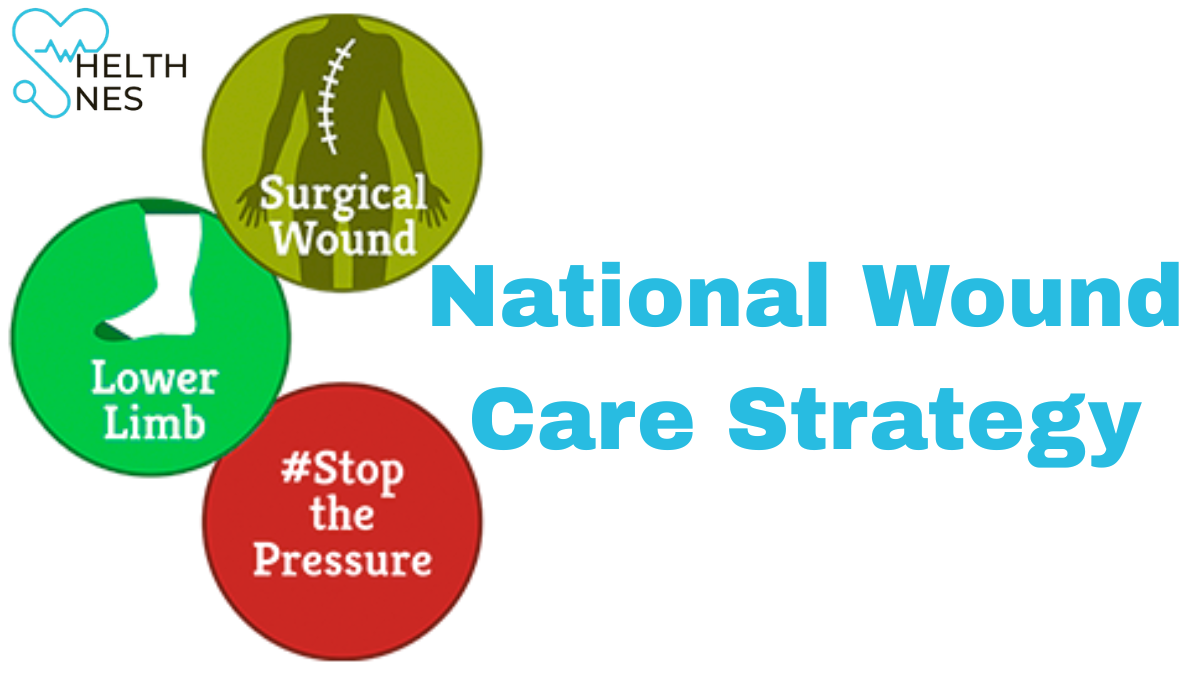
The National Wound Care Strategy is a UK-focused initiative designed to enhance the quality of wound care across healthcare settings, including hospitals, clinics, and community services. By standardizing care protocols, the strategy aims to reduce variations in treatment, improve patient outcomes, and support clinicians with evidence-based guidelines. This strategy addresses critical wound care issues, such as pressure ulcers, leg ulcers, surgical wounds, and lower limb complications, providing a clear framework for consistent, high-quality care across the NHS.
Effective wound management is crucial in modern healthcare because poorly treated wounds can lead to severe complications, prolonged hospital stays, and increased healthcare costs. The National Wound Care Strategy not only prioritizes patient safety but also empowers healthcare professionals with structured pathways and training resources. By implementing the strategy, healthcare organisations can ensure patients receive timely interventions, reduce suffering, and promote faster recovery, while supporting clinicians in applying best practices consistently.
What is the National Wound Care Strategy?
The National Wound Care Strategy serves as a comprehensive framework for improving wound care in England. Developed in response to variations in care quality, the strategy provides a set of standardized guidelines to ensure patients receive safe, effective treatment regardless of their location or healthcare provider. Its purpose is to integrate clinical evidence, training, and structured pathways into everyday practice, enhancing both patient outcomes and professional confidence in wound management.
At its core, the strategy focuses on prevention, early intervention, and ongoing monitoring of wounds. It emphasizes evidence-based approaches for managing pressure ulcers, leg ulcers, lower limb wounds, and surgical wounds. By following the National Wound Care Strategy, healthcare teams can reduce the risk of complications, enhance recovery rates, and maintain a higher standard of care across the NHS. This structured approach also ensures that clinicians have access to the latest tools, resources, and best practice recommendations.
The National Wound Care Strategy Programme (NWCSP)
The National Wound Care Strategy Programme (NWCSP) is the operational arm of the strategy, tasked with turning guidelines into practical, actionable steps for healthcare professionals. The programme provides resources, competency frameworks, and structured pathways to standardize wound care across hospitals, community settings, and outpatient clinics. Its primary goals include preventing pressure ulcers, managing lower limb wounds, and improving outcomes for patients with surgical wounds.
Since its launch, the NWCSP has achieved significant milestones, including publishing clinical guidelines, developing educational materials, and creating training modules for staff. By offering clear pathways for assessment, treatment, and monitoring, the programme supports clinicians in delivering consistent and high-quality care. The NWCSP also focuses on data collection and outcome monitoring, allowing healthcare providers to track improvements and implement strategies that enhance patient safety and treatment effectiveness across the NHS.
Key Guidelines and Pathways
The National Wound Care Strategy includes detailed guidelines and care pathways tailored to different types of wounds. For pressure ulcers, the strategy emphasizes regular skin assessments, risk scoring, repositioning, and the use of pressure-relieving devices. Early detection and intervention are key to preventing complications, and the strategy provides step-by-step recommendations for clinicians to follow, ensuring patients receive timely and appropriate care.
For lower limb wounds, the strategy highlights thorough assessment, treatment planning, and the identification of red flags such as infection, poor circulation, or delayed healing. These pathways ensure that clinicians can detect issues early and provide interventions that prevent worsening conditions. Leg ulcers are addressed through standardized care plans, including compression therapy, patient education, and monitoring. For surgical wounds, the strategy outlines post-operative management, dressing protocols, and infection prevention, helping clinicians maintain optimal outcomes while reducing complications and hospital readmissions.
Competency Framework and Training
A key component of the National Wound Care Strategy is its competency framework, which outlines the essential knowledge, skills, and behaviours required for effective wound care. Healthcare staff are trained to follow standardized protocols, recognize complications, and implement interventions confidently. This framework ensures consistent application of guidelines, reducing the risk of errors and improving overall patient care.
Training under the strategy emphasizes continuous professional development, keeping staff updated on the latest clinical evidence and best practices. By completing competency assessments, clinicians can demonstrate their ability to manage pressure ulcers, leg ulcers, lower limb wounds, and surgical wounds according to NHS standards. The framework also encourages multidisciplinary collaboration, ensuring that care is coordinated across nurses, physicians, and other healthcare professionals for optimal patient outcomes.
Accessing the National Wound Care Strategy Resources
Official resources for the National Wound Care Strategy are available online through platforms such as the NHS Learning Hub and the Health Innovation Network. These materials include PDFs, e-learning modules, clinical guidelines, and competency frameworks. Healthcare professionals can use these resources to stay informed about current best practices, assess staff competencies, and implement standardized care protocols in their facilities.
Access to these resources ensures clinicians can apply the strategy consistently, maintain high-quality patient care, and track improvements in outcomes. Whether in hospital wards, outpatient clinics, or community healthcare settings, these materials provide practical guidance for wound assessment, treatment planning, and monitoring. Using the strategy’s resources also supports adherence to NHS quality standards, enhancing confidence in both clinical decision-making and patient care delivery.
Implementation and Best Practices
Implementing the National Wound Care Strategy effectively requires a structured approach. Healthcare organisations are encouraged to integrate care pathways into daily routines, monitor outcomes, and conduct regular audits to ensure compliance. Identifying local champions or dedicated wound care teams can drive adoption and maintain high standards of practice across different clinical environments.
Best practices include applying evidence-based interventions, conducting routine staff training, and regularly reviewing patient outcomes. Sharing success stories and case studies helps motivate teams and highlights the benefits of the strategy in reducing complications and improving recovery rates. By embedding these practices into everyday care, healthcare providers can achieve consistent results while enhancing both patient satisfaction and professional confidence in wound management.
Challenges and Future Directions
While the National Wound Care Strategy has significantly improved wound care, challenges remain. Common barriers include staff shortages, time constraints, and limited awareness of updated pathways. Addressing these challenges requires leadership, ongoing education, and robust monitoring systems to ensure that guidelines are followed consistently across all care settings.
Looking forward, the strategy is set to evolve with digital tools, e-learning programmes, and data-driven monitoring to further improve patient outcomes. Future updates aim to expand access to resources, refine care pathways, and strengthen competency frameworks, ensuring that the NHS continues to provide high-quality, evidence-based wound care that meets the needs of both clinicians and patients.
Conclusion
The National Wound Care Strategy has established a clear framework for improving wound care across the UK. By providing detailed guidelines, competency frameworks, and structured pathways, it ensures that patients with pressure ulcers, leg ulcers, lower limb wounds, and surgical wounds receive consistent, high-quality care. For clinicians, adopting the strategy enhances professional confidence, supports better decision-making, and ultimately leads to improved patient outcomes and safety across the NHS.
FAQs
What is the National Wound Care Strategy?
The National Wound Care Strategy is a UK initiative designed to standardize wound care, improve outcomes, and reduce variation across healthcare settings.
What does the NWCSP cover?
The programme addresses pressure ulcers, lower limb wounds, leg ulcers, and surgical wounds, providing training, guidelines, and care pathways for clinicians.
How can I access the resources?
Resources are available online through NHS Learning Hub and the Health Innovation Network, including PDFs, competency frameworks, and e-learning modules.
What are lower limb red flags?
Red flags include infection, poor healing, severe pain, and circulation issues, requiring immediate clinical assessment.
Why is the competency framework important?
It ensures that staff have the skills, knowledge, and behaviours necessary to deliver safe, consistent, and effective wound care.
You may also read: Alliance Healthcare in the UK