Introduction: Understanding Anxiety and the Role of Natural Remedies
Anxiety is a common mental health concern that can affect anyone, manifesting as persistent worry, restlessness, tension, or physical symptoms such as a racing heartbeat and muscle tightness. While professional treatments like therapy and medication are highly effective, many individuals look for natural remedies for anxiety to complement traditional approaches. These remedies focus on lifestyle modifications, dietary support, herbal solutions, and mind-body practices, offering a balanced and holistic path to reducing stress and promoting calmness.
Natural remedies are not only accessible but also often have fewer side effects than medications. They aim to improve overall wellbeing by targeting the root causes of anxiety, such as poor sleep, high stress, and nutritional imbalances. By combining multiple strategies, individuals can manage their anxiety more effectively while fostering resilience, clarity, and emotional stability in daily life.
What Causes Anxiety? Key Triggers and Risk Factors
Anxiety can stem from a combination of environmental, psychological, and biological factors. Stressful life events, such as work pressure, relationship challenges, or financial concerns, can trigger anxiety, while lifestyle habits like irregular sleep, excessive caffeine intake, and a sedentary routine may exacerbate symptoms. Some individuals are also genetically predisposed to anxiety, with brain chemistry and neurotransmitter imbalances influencing how they respond to stress.
Identifying the specific triggers behind anxiety is critical when choosing the right natural remedies for anxiety. Once triggers are recognised, individuals can implement targeted strategies, whether through lifestyle adjustments, herbal supplements, mindfulness exercises, or dietary changes. This personalised approach helps ensure that remedies are more effective and sustainable over time, offering long-term support for mental wellbeing.
Lifestyle Changes to Reduce Anxiety
Lifestyle modifications play a vital role in reducing anxiety. Prioritising sleep is essential; consistent bedtimes, limiting screen time before bed, and creating a calming nighttime routine help regulate stress hormones and improve mood. Reducing caffeine, alcohol, and nicotine intake can also stabilise energy levels and prevent heightened anxiety responses. A balanced daily routine with moments of relaxation can enhance emotional resilience and reduce tension.
Social support is another cornerstone of natural anxiety management. Engaging with friends, family, or community groups fosters connection, which reduces feelings of isolation that often worsen anxiety. Incorporating hobbies, outdoor activities, and periods of mindful reflection can further strengthen mental health. When lifestyle changes are combined with other natural remedies, individuals can experience more consistent and noticeable relief from anxiety symptoms.
Herbal and Nutritional Remedies for Anxiety
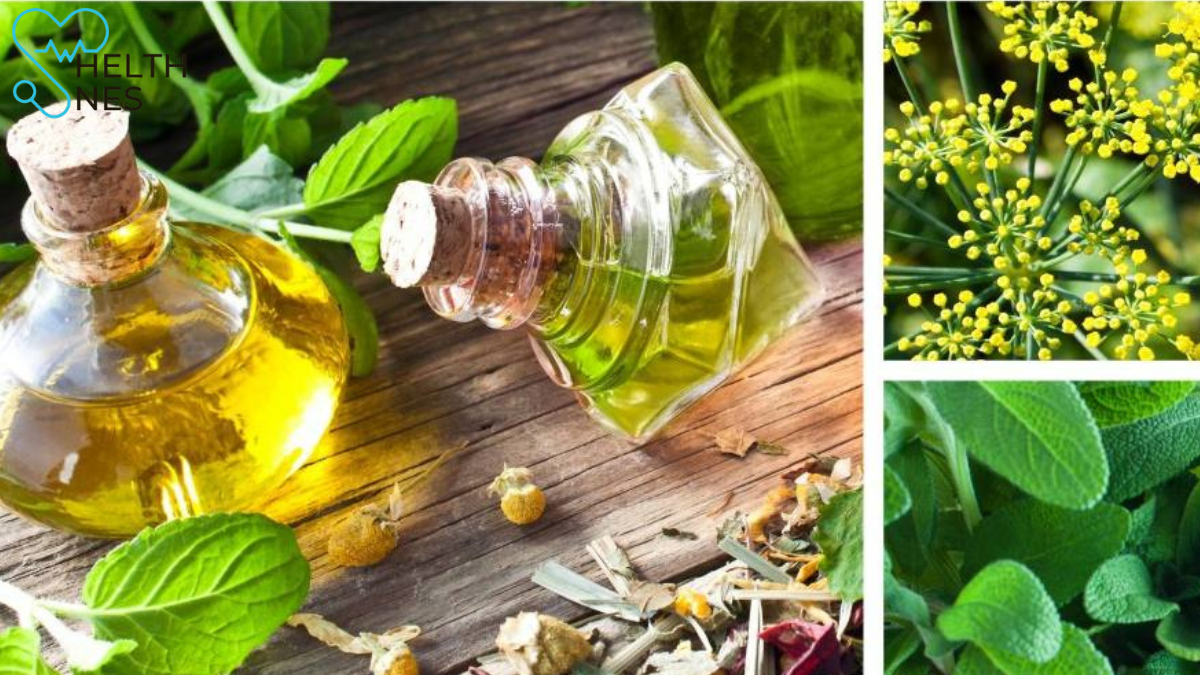
Herbal remedies are widely recognised as effective natural remedies for anxiety. Chamomile tea has soothing properties that can ease tension, while lavender essential oil is commonly used in aromatherapy to promote relaxation. Ashwagandha supports the body’s ability to manage stress, and valerian root aids in improving sleep quality. CBD oil is also gaining popularity for its calming effects, though users in the UK should follow local regulations regarding its use.
Nutrition plays a critical role in mental health, as deficiencies can worsen anxiety. Magnesium and B vitamins are essential for nervous system support, helping to regulate neurotransmitters linked to mood and stress. Consuming a diet rich in leafy greens, omega-3 fatty acids, whole grains, and lean proteins can improve brain function and emotional stability. By integrating these herbal and nutritional strategies into daily life, individuals can enhance their natural ability to cope with anxiety.
Mindfulness, Meditation, and Breathing Techniques
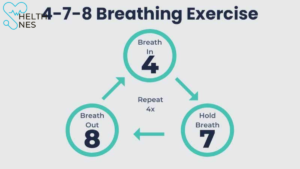
Mindfulness and meditation practices are proven strategies for managing anxiety naturally. Guided meditation helps calm racing thoughts, while deep breathing exercises, such as the 4-7-8 technique or box breathing, activate the parasympathetic nervous system, lowering stress hormones and heart rate. Grounding exercises, like the 3-3-3 rule, can also redirect attention away from anxious thoughts and create a sense of stability.
In addition, journaling provides a powerful way to process emotions and track triggers. Writing about worries and reflecting on daily experiences encourages perspective and self-awareness. Cognitive behavioural techniques, practiced alongside mindfulness, can retrain thought patterns and reduce negative thinking. By combining these mind-body practices, individuals can achieve both immediate relief and long-term resilience against anxiety.
Physical Activity and Exercise for Anxiety Relief
Exercise is a natural and highly effective remedy for anxiety. Physical activity releases endorphins, which act as natural mood enhancers, while reducing cortisol levels that contribute to stress. Aerobic activities such as walking, swimming, cycling, or jogging improve cardiovascular health and provide consistent stress relief. Even short bursts of movement, like stretching or brisk walks during the day, can significantly reduce tension and improve mental clarity.
Mind-body exercises such as yoga and Pilates offer additional benefits by combining gentle movement with mindfulness. Stretching helps release muscular tension, while controlled breathing and meditation elements calm the mind. Incorporating regular physical activity into daily routines supports both mental and physical health, making it one of the most reliable natural remedies for anxiety.
Aromatherapy and Other Alternative Therapies
Aromatherapy is a simple yet effective way to reduce anxiety naturally. Essential oils like lavender, bergamot, and frankincense can be diffused or applied topically to promote relaxation. Music therapy is another accessible method that reduces stress and improves mood by influencing the nervous system. Light therapy, acupuncture, and massage provide complementary options for individuals seeking holistic approaches.
Alternative therapies are most effective when combined with lifestyle, dietary, and mindfulness strategies. By exploring different methods, individuals can personalise their routine and create a calming environment that addresses both mental and physical symptoms of anxiety. These therapies provide safe, non-invasive solutions that enhance the overall effectiveness of natural anxiety management.
When to Seek Professional Help
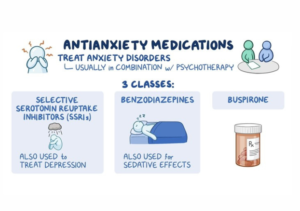
While natural remedies for anxiety can provide significant relief, it’s essential to recognise when professional support is needed. Severe, persistent, or worsening anxiety that interferes with daily life requires consultation with a GP, psychologist, or licensed therapist. Combining natural remedies with professional treatments ensures safe, effective care tailored to individual needs.
Early intervention can prevent anxiety from escalating and improve long-term outcomes. Professionals can help develop structured treatment plans, monitor progress, and guide safe integration of herbal or dietary supplements. Using natural remedies alongside professional care offers a comprehensive approach that addresses both immediate symptoms and underlying causes of anxiety.
Conclusion
Natural remedies for anxiety provide a holistic, accessible approach to reducing stress and promoting calm. From lifestyle adjustments and nutritious diets to mindfulness, exercise, and herbal support, these strategies offer multiple paths to improved mental wellbeing. Consistency, patience, and a personalised approach are essential for lasting results, and combining natural remedies with professional guidance enhances effectiveness and safety. By incorporating these methods, individuals can regain balance, resilience, and peace of mind in everyday life.
FAQs
What are the most effective natural remedies for anxiety?
Herbal supplements like chamomile, lavender, ashwagandha, and valerian root, along with mindfulness, exercise, and balanced nutrition, are among the most effective natural remedies for anxiety.
Can natural remedies replace prescription medication for anxiety?
Natural remedies are best used as complementary approaches. Prescription medication should not be discontinued without guidance from a healthcare professional.
How quickly do natural remedies for anxiety work?
Some methods, like deep breathing or grounding exercises, provide immediate relief, while herbs, dietary changes, and lifestyle adjustments may take several days to weeks to show results.
Are there any risks associated with natural remedies for anxiety?
Most remedies are safe, but some herbs or supplements can interact with medications. Consulting a GP before use ensures safety and effectiveness.
Can children use natural remedies for anxiety?
Yes, practices like mindfulness, gentle exercise, and some herbal teas may be suitable for children, but parental supervision and professional advice are important.
You may also read: Tips for Maximizing Success with CBT