
Anxiety and depression affect millions of people around the world, and their impact on daily life can be profound. While therapy and medications remain important, the role of diet in supporting mental health is often overlooked. Nutrition for anxiety and depression is more than just eating “healthy foods”; it directly influences brain function, neurotransmitter production, and emotional stability. By understanding which foods nourish the mind, individuals can make strategic choices that enhance mood, reduce stress, and complement other forms of mental health care.
Eating for mental wellness involves a combination of nutrient-rich foods, balanced meals, and avoiding items that can worsen inflammation or hormonal imbalance. Small, consistent dietary changes can help stabilize energy levels, promote better sleep, and enhance resilience to everyday stressors. When combined with regular exercise, sufficient sleep, and stress management strategies, a mindful approach to nutrition can play a transformative role in overall mental wellbeing.
Understanding the Link Between Nutrition and Mental Health
The foods we eat profoundly affect how our brains function. Nutrients like vitamins, minerals, and healthy fats are essential for neurotransmitters, the chemical messengers that regulate mood, sleep, and stress responses. An imbalance in these nutrients can exacerbate anxiety, trigger depressive episodes, or interfere with emotional regulation. Additionally, the gut-brain axis—a complex communication network between the gut and the brain—plays a vital role. A healthy gut microbiome supports mental wellbeing, while poor diet choices can increase inflammation and negatively impact mood.
Research increasingly shows that diets rich in whole foods, omega-3 fatty acids, and vitamins correlate with reduced rates of anxiety and depression. Conversely, diets high in processed foods, sugars, and unhealthy fats have been linked to higher incidences of mental health issues. Nutrition for anxiety and depression is therefore a crucial element not only for physical health but also for emotional balance. By targeting diet as a foundational step, individuals can create lasting improvements in their mental resilience and cognitive clarity.
Essential Nutrients That Support Mental Wellbeing
Certain nutrients are critical for maintaining optimal mental health. Omega-3 fatty acids, abundant in fatty fish such as salmon, sardines, and mackerel, support brain function, reduce inflammation, and help regulate mood. B vitamins, including B6, B12, and folate, play a central role in neurotransmitter production, particularly serotonin and dopamine, which influence happiness, motivation, and stress management. Magnesium and zinc are essential minerals that regulate the body’s stress response and can improve sleep quality, while vitamin D supports both emotional and immune health.
Amino acids derived from proteins are also crucial because they serve as building blocks for neurotransmitters. For example, tryptophan is converted into serotonin, which helps regulate mood and anxiety. Without sufficient intake of these nutrients, the brain may struggle to maintain balance, leading to increased feelings of fatigue, irritability, and low motivation. Incorporating these essential nutrients into daily meals forms the foundation of nutrition for anxiety and depression and can significantly improve emotional stability and overall wellbeing.
Best Foods to Reduce Anxiety and Depression
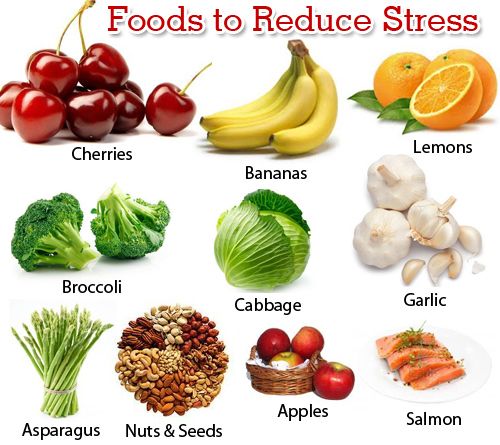
Certain foods naturally promote better mental health and help reduce symptoms of anxiety and depression. Fatty fish, rich in omega-3s, can enhance brain function and reduce inflammation that contributes to mood disorders. Leafy green vegetables, such as spinach and kale, are high in magnesium, which is known to support relaxation and reduce stress levels. Nuts and seeds, including almonds, walnuts, and chia seeds, provide healthy fats and minerals that protect the brain and regulate mood.
Whole grains like oats, quinoa, and brown rice help stabilize blood sugar, preventing energy crashes that can intensify anxiety. Fermented foods, including yogurt, kefir, and kimchi, improve gut health, which directly impacts brain function through the gut-brain axis. Fruits such as berries, bananas, and oranges supply antioxidants and vitamins that fight inflammation and oxidative stress, contributing to improved mental clarity and mood. By including these foods regularly, you are actively practicing nutrition for anxiety and depression in a practical and enjoyable way.
Foods to Avoid for Better Mental Health
While focusing on nutrient-rich foods is vital, avoiding certain items can also significantly benefit mental health. Highly processed foods, refined sugars, and trans fats can increase inflammation, destabilize blood sugar, and worsen mood swings. Excess caffeine and alcohol can interfere with sleep quality and amplify symptoms of anxiety, while artificial additives and preservatives may negatively affect neurotransmitter function.
Making conscious decisions to reduce or eliminate these foods allows the body and brain to operate more efficiently. For individuals struggling with anxiety or depression, a diet low in inflammatory foods supports emotional balance, enhances cognitive clarity, and stabilizes energy throughout the day. When combined with nutrient-rich meals, avoiding harmful foods forms a critical part of effective nutrition for anxiety and depression strategies.
Meal Planning Tips for Mood-Boosting Nutrition
Building a meal plan that supports mental health is easier than it might seem. Start with balanced meals containing proteins, complex carbohydrates, and healthy fats. Breakfast could include oatmeal topped with berries and walnuts, while lunch might feature a leafy green salad with grilled salmon. Snacks such as yogurt with seeds or hummus with vegetables help maintain energy and mood between meals.
Consistency and variety are key. Rotating foods ensures a broad spectrum of vitamins and minerals that support neurotransmitter production. Incorporating seasonal fruits, fresh vegetables, and whole grains keeps meals enjoyable and nutritionally dense. Planning meals with intention allows individuals to practice nutrition for anxiety and depression daily, creating sustainable eating habits that reinforce emotional and physical wellbeing.
Lifestyle Habits That Complement Nutrition
Nutrition alone can improve mental health, but combining it with healthy lifestyle habits yields the best results. Regular exercise releases endorphins, which naturally reduce stress and elevate mood. Sleep quality is equally important; consistent, restful sleep allows the brain to regulate emotions effectively. Stress management techniques, including meditation, journaling, and deep breathing, support emotional resilience and cognitive focus.
Mindful lifestyle choices enhance the benefits of a nutrient-rich diet. Avoiding late-night screen exposure, maintaining hydration, and spending time in nature can further reduce anxiety and depressive symptoms. Together, these practices complement nutrition for anxiety and depression, creating a holistic approach that nurtures the mind, body, and emotional wellbeing in a sustainable way.
When to Seek Professional Help
Dietary strategies are powerful, but they are not a replacement for professional care. Persistent anxiety or depression may require therapy, medications, or a combination of treatments tailored to individual needs. Consulting a registered dietitian can help design a personalized nutrition plan that addresses deficiencies and supports mental health. Psychologists or psychiatrists can monitor progress and provide additional interventions when necessary.
Combining professional guidance with intentional eating ensures the most effective outcomes. Nutrition for anxiety and depression works best as part of a comprehensive plan, complementing medical treatment, therapy, and lifestyle changes. Recognizing when to seek help is a crucial step in achieving long-term emotional balance and mental wellness.
Conclusion
Nutrition for anxiety and depression is a critical, evidence-based tool for improving mental health. By focusing on essential nutrients, incorporating mood-boosting foods, and avoiding harmful dietary choices, individuals can support neurotransmitter function, reduce inflammation, and improve emotional resilience. Coupled with exercise, sleep, and stress management techniques, mindful eating creates a holistic approach that strengthens both mind and body. Even small, consistent dietary changes can produce lasting improvements in mood, focus, and overall wellbeing.
FAQs
Q1: Can nutrition alone treat anxiety and depression?
Nutrition supports mental health but is most effective when combined with therapy, medication, and lifestyle changes. It can significantly improve symptoms and complement professional care.
Q2: How often should I eat mood-boosting foods?
Daily intake of nutrient-rich foods such as leafy greens, nuts, whole grains, and fatty fish is recommended to maintain consistent support for mental health.
Q3: Can sugar affect anxiety and depression?
Yes, excessive sugar can destabilize blood sugar, increase inflammation, and worsen mood swings, making it harder to manage anxiety and depression effectively.
Q4: Are supplements necessary for mental wellbeing?
While supplements can help address deficiencies, focusing on whole foods is generally preferred. A professional can advise if supplementation is needed.
Q5: How long does it take for dietary changes to impact mood?
Some improvements can appear within a few weeks, but long-term, consistent dietary habits are most effective for sustained mental health benefits.
You may also read: Medical and Professional Interventions