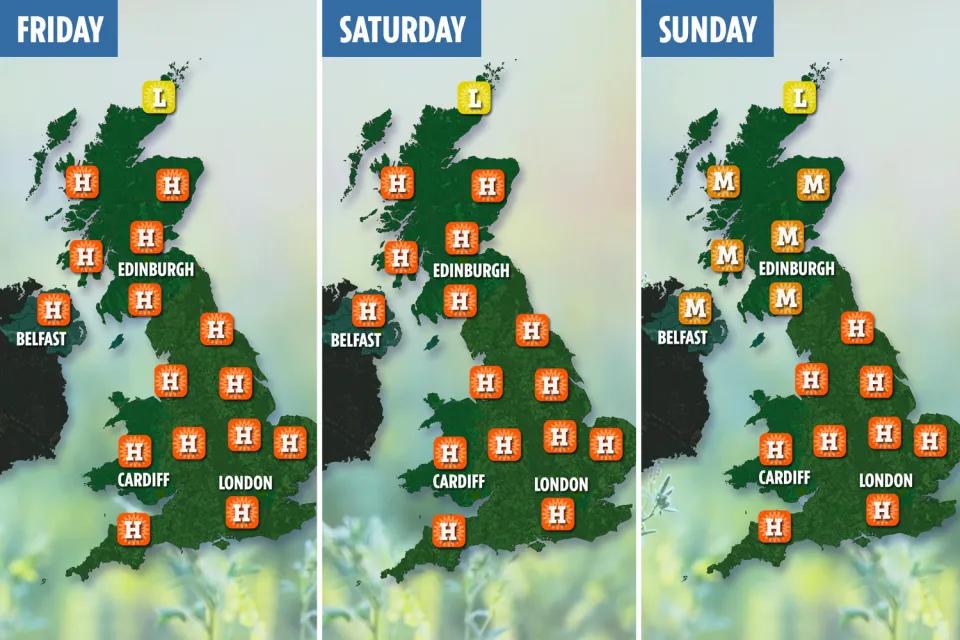
Checking the pollen count today is one of the most effective ways for allergy sufferers across the UK to prepare for the day ahead. In cities and rural areas alike, pollen levels can vary significantly depending on weather conditions, seasonal changes, and local vegetation. Even when pollen concentrations are considered moderate, individuals with sensitive immune systems may experience symptoms such as sneezing, itchy eyes, nasal congestion, and throat irritation. Staying informed about current pollen conditions helps residents make better decisions regarding outdoor activities and allergy management.
The UK’s temperate climate creates ideal conditions for a wide range of airborne allergens throughout the year. Grass pollen is the most common trigger during late spring and early summer, while tree pollen dominates earlier in the year and weed pollen becomes more active towards late summer. Environmental factors such as wind, humidity, and temperature fluctuations play a key role in determining daily pollen levels. Monitoring forecasts regularly helps reduce unexpected exposure and improves overall comfort for people affected by seasonal allergies.
Understanding Pollen and Its Impact on Health
Pollen is a microscopic substance released by plants as part of their natural reproductive cycle. Trees, grasses, and weeds produce pollen that is carried through the air by wind, allowing plants to reproduce over large distances. While pollen is essential for ecosystems, it can also become a significant source of discomfort for individuals who suffer from allergies. When inhaled, pollen may trigger an immune response that leads to various respiratory and nasal symptoms.
For many people in the UK, exposure to pollen results in seasonal allergic rhinitis, commonly known as hay fever. Symptoms can range from mild irritation to severe allergic reactions that interfere with daily life. Understanding how pollen affects the body helps individuals recognise triggers and take preventive measures. Regularly reviewing the pollen count today is especially important during peak pollen seasons.
Current Pollen Levels and Allergy Risk
Pollen levels across the UK fluctuate based on seasonal patterns and weather conditions. Warm temperatures, dry air, and breezy conditions tend to increase pollen circulation, while rainfall can temporarily reduce airborne pollen. However, pollen levels often rise again quickly once dry weather returns.
People with a history of hay fever or respiratory conditions should remain cautious even during moderate pollen days, as sensitivity varies from person to person. In addition to pollen, environmental factors such as air pollution and fine particles can worsen symptoms, particularly in urban areas. Understanding both pollen levels and overall air quality provides a clearer picture of allergy risk.
Is the Pollen Count High Today?

A common question many people ask is, “Is the pollen count high today?” The answer depends on several factors, including weather conditions, time of year, and the type of pollen present. In the UK, pollen counts are typically categorised as low, moderate, high, or very high.
During high pollen days, the likelihood of experiencing allergy symptoms increases significantly. People who are sensitive to pollen are advised to limit outdoor exposure, especially during peak times such as early morning and late afternoon. Keeping windows closed and using indoor air filtration can also help reduce symptoms.
What Pollen Is High Today?
Different types of pollen dominate at different times of the year in the UK. Grass pollen is the most common allergen during June and is responsible for the majority of hay fever cases. Tree pollen, including birch and oak, is more prevalent in spring, while weed pollen becomes more noticeable later in summer.
The concentration of specific pollen types can change throughout the day depending on weather conditions. Warm, sunny, and windy days often lead to higher pollen levels. Understanding which pollen type is currently dominant helps individuals identify their triggers and manage symptoms more effectively.
Factors That Affect Pollen Levels
Weather is one of the most significant factors influencing pollen levels in the UK. Warm temperatures encourage plant growth and pollen production, while wind helps spread pollen across large areas. Even in cities, pollen can travel from surrounding countryside and green spaces.
Rainfall can provide short-term relief by clearing pollen from the air, but levels may quickly increase again once conditions become dry. Humidity, seasonal transitions, and urban landscaping also contribute to daily pollen variations. Because these factors constantly change, checking daily pollen forecasts is essential.
Common Symptoms of Pollen Allergy
Pollen allergies can affect individuals in different ways depending on their sensitivity. Common symptoms include sneezing, a runny or blocked nose, itchy or watery eyes, and throat irritation. These symptoms occur when the immune system reacts to pollen as if it were a harmful substance.
Some individuals may also experience fatigue, headaches, and difficulty concentrating. For people with asthma, pollen exposure can worsen breathing difficulties and increase the risk of asthma attacks. Recognising symptoms early allows for timely management and prevention.
How to Reduce Exposure to Pollen
Reducing exposure to pollen is one of the most effective ways to manage hay fever symptoms. During high pollen days, limiting outdoor activities—especially during peak hours—can significantly reduce exposure.
Simple steps can make a big difference, such as keeping windows closed, using air conditioning where possible, and showering after spending time outdoors. Changing clothes and avoiding drying laundry outside during high pollen periods can also help prevent pollen from entering the home. Using high-efficiency particulate air (HEPA) filters can further improve indoor air quality.
Pollen Forecast for the UK
A reliable pollen forecast helps people anticipate changes in allergen levels before symptoms become severe. UK forecasts typically consider weather patterns, seasonal plant activity, humidity, wind speed, and historical data.
Forecasts are particularly important during late spring and early summer when pollen levels can change rapidly. By checking forecasts daily, individuals can plan activities, carry appropriate medication, and take preventive measures to minimise discomfort.
Bee Pollen Benefits and Important Considerations
Bee pollen is often confused with airborne pollen, but it is a different substance collected by honeybees. It contains a mixture of flower pollen, nectar, enzymes, and nutrients, and is sometimes used as a dietary supplement.
Although bee pollen is valued for its nutritional content, individuals with pollen allergies should exercise caution. Allergic reactions can occur, particularly in those who are highly sensitive. It is advisable to consult a healthcare professional before using bee pollen as a supplement.
Conclusion
Understanding the pollen count today is essential for managing seasonal allergies in the UK. Daily updates provide valuable insight into allergen levels, helping individuals make informed decisions about outdoor activities and health precautions.
As environmental conditions shift throughout the year, staying informed remains the most effective way to reduce allergy symptoms. Whether pollen levels are low or very high, regular monitoring allows UK residents to maintain a healthier and more comfortable lifestyle.
You may also read: Registering With an NHS Dentist