Introduction
Remote patient monitoring (RPM) companies are transforming the healthcare industry by enabling continuous health monitoring outside traditional clinical settings. These companies provide advanced devices, software, and support services that track vital signs, manage chronic conditions, and engage patients in their own care. As telehealth grows in importance, RPM has become a critical tool for hospitals, clinics, and home-based care, helping providers reduce hospital readmissions while improving patient outcomes and satisfaction.
With the adoption of digital health technologies, remote patient monitoring solutions are gaining traction across the UK, USA, and worldwide. These companies are increasingly integrating AI, cloud-based platforms, and wearable devices to provide seamless healthcare services. For providers looking to offer modern, value-based care, partnering with leading RPM companies ensures access to reliable tools and expert guidance, creating a proactive approach to patient management that goes beyond traditional in-person visits.
What is Remote Patient Monitoring
Remote patient monitoring is a technology-driven approach that allows healthcare providers to collect and analyze patient health data outside traditional clinical environments. RPM solutions typically involve medical devices and software that measure vital signs such as blood pressure, glucose levels, heart rate, and oxygen saturation. By transmitting this information to healthcare teams in real time, providers can detect potential issues early, adjust treatment plans, and improve overall patient management without requiring frequent in-person visits.
RPM plays a crucial role in managing chronic diseases, post-acute care, and elderly patient monitoring. Unlike traditional healthcare, which relies on periodic appointments, remote monitoring provides continuous oversight, allowing for timely interventions and better clinical decision-making. Patients benefit from greater convenience and engagement in their own care, while providers can optimize resources and reduce unnecessary hospital admissions, ultimately improving healthcare efficiency and patient satisfaction.
How Remote Patient Monitoring Works

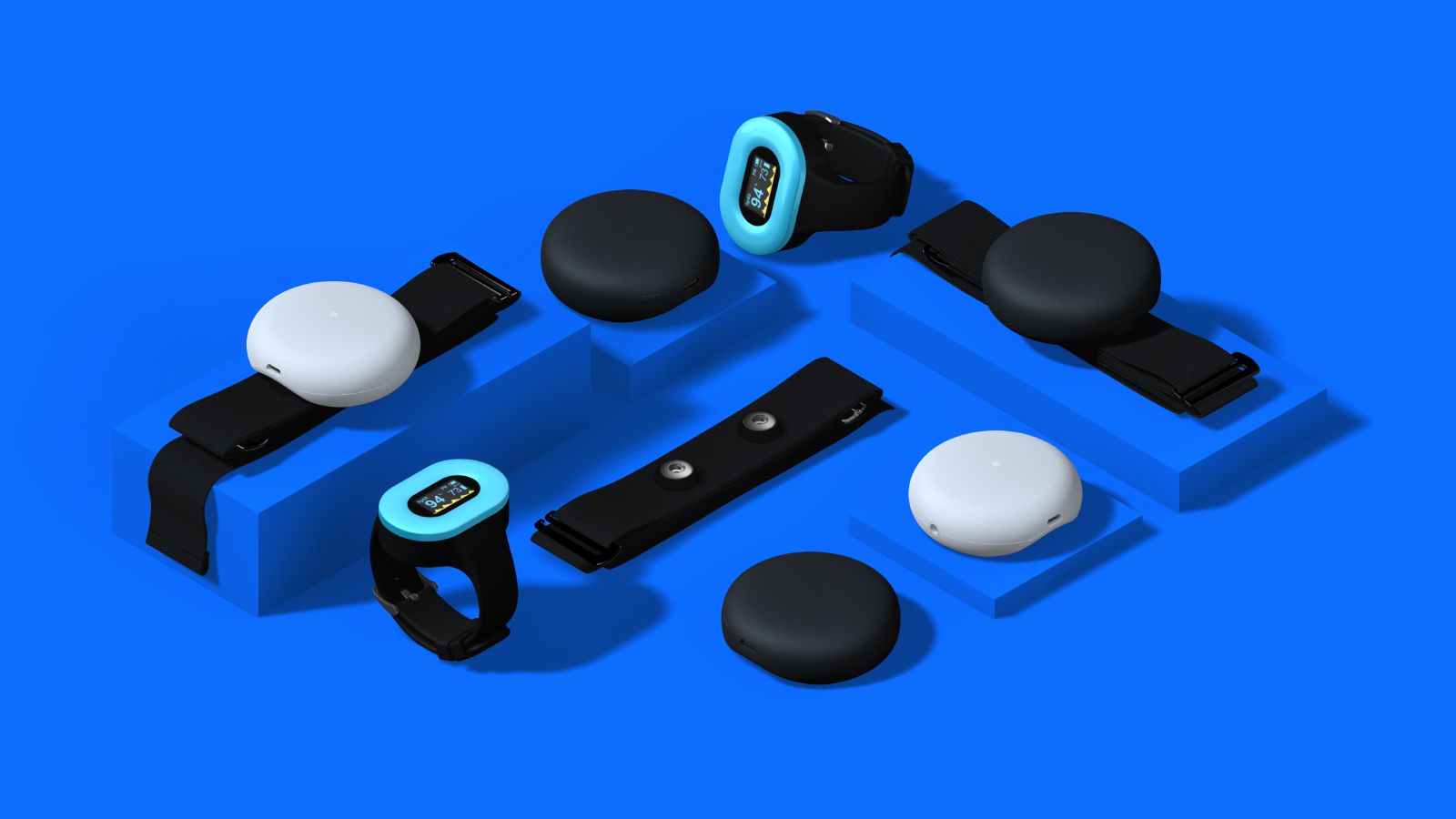
Remote patient monitoring companies use a combination of connected medical devices, mobile applications, and cloud-based platforms to collect, transmit, and analyze patient data. Devices include blood pressure monitors, continuous glucose monitors, weight scales, pulse oximeters, and wearable sensors. These devices can connect via Bluetooth, Wi-Fi, or 4G cellular networks to ensure accurate and secure data transmission. Providers access this information through secure dashboards, enabling them to monitor patient health trends and respond to changes promptly.
The integration of RPM data with Electronic Health Records (EHRs) enhances clinical workflows and improves patient care coordination. Advanced platforms may offer AI-driven insights, automated alerts, and predictive analytics to support decision-making. Patients can engage with these platforms through mobile apps that provide reminders, educational content, and real-time feedback. This seamless connection between devices, software, and healthcare providers ensures that patients receive timely, personalized care without compromising convenience or data security.
Top Remote Patient Monitoring Companies
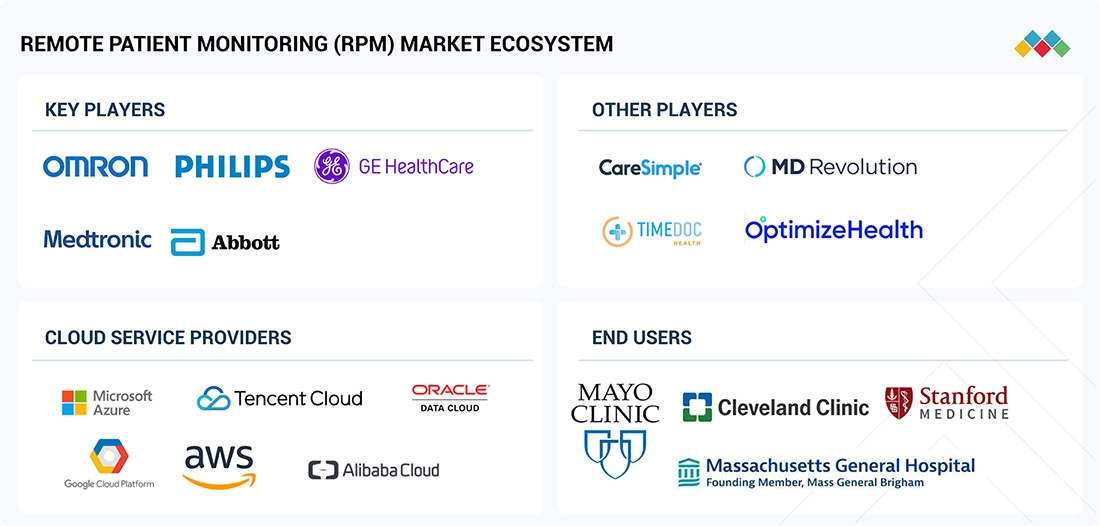
The market for remote patient monitoring companies is highly dynamic, with providers offering a wide range of solutions tailored to various healthcare needs. In the UK, leading companies such as HealthSnap, Tellihealth, and CareSimple provide comprehensive platforms for virtual care, integrating devices, software, and support services. In the USA, industry leaders including Medtronic, Philips Healthcare, and BioIntelliSense specialize in cardiac care, diabetes management, and chronic disease monitoring, ensuring patients receive targeted interventions.
Some companies focus on specific conditions such as diabetes or post-acute care, offering specialized monitoring devices and programs to optimize outcomes. Lists of the top remote patient monitoring companies, such as “Top 10 RPM Providers,” help healthcare organizations identify reliable vendors. Whether a provider seeks global coverage, specialized solutions, or robust analytics, partnering with the right RPM company ensures seamless implementation, efficient data management, and improved patient outcomes across diverse care settings.
Features to Look For in RPM Solutions
Choosing the right remote patient monitoring solution requires careful consideration of key features. Device accuracy and regulatory compliance, including FDA approval and HIPAA adherence, are essential to ensure patient safety and data privacy. Seamless integration with EHR systems enables providers to access real-time data within existing workflows, reducing administrative burdens and improving care coordination. Additionally, platforms should offer intuitive dashboards, automated reporting, and patient engagement tools that support adherence and education.
Connectivity and ease of use are critical for patient compliance, especially for elderly or technologically inexperienced users. Cellular-enabled devices that do not rely on Wi-Fi or smartphones can improve accessibility in rural areas or for high-risk patients. Advanced analytics capabilities allow providers to track trends, identify risks, and generate actionable insights. Reimbursement support for CPT codes and other insurance requirements further simplifies implementation, making the solution cost-effective for healthcare organizations and patients alike.
Benefits of Remote Patient Monitoring Services
Remote patient monitoring services provide numerous advantages for healthcare providers and patients. Continuous monitoring reduces hospital readmissions and improves chronic disease management, allowing providers to intervene before conditions worsen. Patients benefit from timely guidance, personalized care plans, and increased engagement in their own health, which improves adherence and satisfaction. By minimizing unnecessary visits and hospitalizations, RPM solutions also reduce healthcare costs and optimize resource utilization.
RPM enables a proactive approach to healthcare, supporting value-based care initiatives. Providers can deliver more efficient and effective care by monitoring multiple patients simultaneously, analyzing data trends, and customizing interventions. The combination of devices, software, and support services ensures that care extends beyond the clinic, empowering patients while enhancing clinical outcomes. With growing adoption in both the UK and USA, remote patient monitoring has become a vital component of modern healthcare delivery.
Industry Trends and Remote Patient Monitoring News
The remote patient monitoring industry is evolving rapidly, driven by technological innovation and healthcare demands. Companies are increasingly integrating AI and predictive analytics into their platforms, allowing providers to anticipate patient needs and intervene proactively. Wearable sensors, cellular-connected devices, and cloud-based platforms are making RPM more accessible, especially in rural or underserved areas. Telehealth integration has become standard, enhancing continuity of care and enabling virtual consultations based on real-time data.
From 2022 to 2025, the RPM market has experienced significant growth, with specialized solutions emerging for diabetes, cardiac care, and post-acute monitoring. News and updates highlight FDA-approved devices, expanded telehealth partnerships, and new reimbursement models that encourage adoption. Providers must stay informed about these trends to select RPM companies that offer cutting-edge solutions while complying with regulatory standards. Staying current ensures organizations provide high-quality care that aligns with the latest industry advancements.
How to Choose the Right Remote Patient Monitoring Company
Selecting the right RPM company requires a strategic evaluation of services, devices, and support. Providers should consider company reputation, customer reviews, and experience in delivering remote care solutions. Device ecosystems and software platforms must align with clinical workflows and EHR integration needs. Assessing service coverage in specific regions, whether in the UK, USA, or local cities like Minneapolis or St. Paul, ensures consistent patient support and accessibility.
Additional factors include customer service quality, training programs, and ease of onboarding for staff and patients. Comparing features, pricing, and scalability helps organizations select the most reliable partner. Healthcare providers should also verify regulatory compliance and reimbursement support to maximize return on investment. Choosing the right RPM company ensures that patients receive safe, efficient, and personalized care, while organizations benefit from improved clinical outcomes and operational efficiency.
Conclusion
Remote patient monitoring companies are revolutionizing healthcare by providing continuous monitoring, personalized care, and actionable insights. Partnering with leading providers ensures access to accurate devices, intuitive software platforms, and comprehensive support services. RPM solutions help reduce hospital readmissions, improve chronic disease management, and enhance patient satisfaction. Whether in the UK, USA, or globally, healthcare organizations can leverage remote patient monitoring to deliver efficient, modern, and patient-centered care while staying ahead of industry trends.
FAQs
What are remote patient monitoring companies?
These companies provide devices, software, and services that allow healthcare providers to track patient health remotely, enabling continuous monitoring and timely intervention.
Which companies lead remote patient monitoring in the UK and USA?
In the UK, HealthSnap, Tellihealth, and CareSimple are leading providers. In the USA, Medtronic, Philips Healthcare, and BioIntelliSense dominate the market.
How do RPM solutions benefit chronic disease patients?
They track vital signs, provide alerts to healthcare providers, reduce hospital visits, and allow tailored treatment plans, improving patient outcomes.
Are there specialized RPM companies for conditions like diabetes?
Yes, companies like Dexcom and Medtronic focus specifically on continuous glucose monitoring and diabetes management.
What should healthcare providers consider when choosing an RPM company?
Key factors include device accuracy, EHR integration, HIPAA/FDA compliance, patient engagement tools, service coverage, and cost-effectiveness.
You may also read: Standard vs High Doses of Fexofenadine