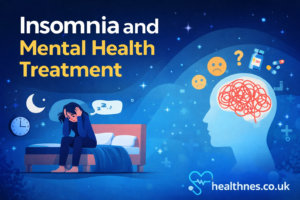
The sleep and mental health connection is one of the most significant yet often overlooked factors influencing emotional and cognitive wellbeing. While many people view sleep simply as a period of rest, it is a complex physiological process that directly affects mood, anxiety, stress resilience, and mental clarity. Poor sleep doesn’t only lead to tiredness—it can intensify irritability, worsen emotional regulation, and even trigger or exacerbate mental health disorders. Understanding this connection is essential for anyone striving for better overall health.
Research shows that sleep deprivation and mental health issues are closely intertwined. Individuals who regularly experience poor sleep are far more likely to suffer from anxiety, depression, and mood disturbances. Conversely, existing mental health challenges can interfere with the body’s natural sleep cycles, creating a vicious cycle that is difficult to break. By recognizing and addressing the connection between sleep and mental health, individuals can take proactive steps to improve both rest and emotional wellbeing.
Understanding the Sleep and Mental Health Connection
Sleep and mental health share a bidirectional relationship, meaning poor sleep can contribute to mental health problems, and mental health challenges can disturb sleep patterns. Chronic sleep deprivation affects the brain’s ability to process emotions, regulate stress, and maintain cognitive function. This can lead to heightened irritability, difficulty focusing, and increased susceptibility to emotional distress. In the UK, studies indicate that nearly 40% of adults report insufficient or disturbed sleep, making this a widespread concern with far-reaching consequences.
This connection is particularly important because the effects of poor sleep often extend beyond the bedroom. Emotional regulation, decision-making, and social interactions can all be impaired when sleep is inadequate. Mental health professionals emphasize that understanding this link is crucial for both prevention and treatment of conditions like anxiety, depression, and mood disorders. By prioritizing sleep, individuals can strengthen their mental resilience and support long-term emotional stability.
How Poor Sleep Impacts Mood and Anxiety
The impact of poor sleep on mood and anxiety is immediate and noticeable. Even one night of disrupted sleep can lead to irritability, impatience, and increased emotional sensitivity. Over time, chronic sleep deprivation can heighten the risk of developing anxiety disorders or depression. Poor sleep diminishes the brain’s capacity to manage stress, making minor challenges feel overwhelming and triggering emotional outbursts that may not have occurred otherwise.
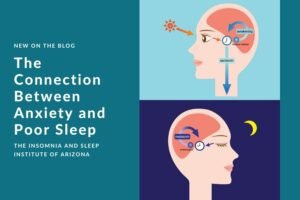
Cognitive functioning also suffers when sleep is inadequate. Concentration, memory retention, and problem-solving abilities decline, making daily tasks more challenging. The resulting mental strain can intensify feelings of frustration, worry, and hopelessness. Essentially, poor sleep amplifies the brain’s stress response, creating a feedback loop where anxiety worsens sleep, and poor sleep worsens anxiety, further underscoring the importance of addressing this connection proactively.
Common Sleep Disorders That Affect Mental Health

Certain sleep disorders can significantly disrupt mental wellbeing. Insomnia is among the most common and is characterized by difficulty falling asleep, staying asleep, or waking too early. Individuals with insomnia frequently experience heightened anxiety, mood swings, and chronic fatigue. These symptoms can affect work performance, relationships, and overall quality of life, making it essential to seek interventions when insomnia becomes persistent.
Sleep apnea is another condition that interferes with restful sleep by causing repeated interruptions in breathing. The resulting oxygen deprivation and fragmented sleep can exacerbate mental health problems, including depression, anxiety, and cognitive difficulties. Other conditions, such as restless leg syndrome or periodic limb movements, can also disturb sleep quality, indirectly influencing emotional and mental stability. Identifying and treating these disorders is a crucial step toward improving mental health outcomes.
The Science Behind Sleep and Emotional Regulation
Sleep is fundamental for emotional regulation and overall brain function. During deep sleep and REM stages, the brain processes emotional experiences, consolidates memories, and restores cognitive function. Disrupted sleep interferes with this natural process, resulting in elevated stress hormone levels, impaired neurotransmitter balance, and increased emotional reactivity. When these processes are compromised, individuals may experience heightened sensitivity to stress, irritability, and mood fluctuations.
Scientific research demonstrates that adequate sleep supports resilience against mental health disorders. During sleep, the brain removes toxic byproducts, strengthens neural pathways, and recalibrates emotional responses. Without sufficient sleep, these restorative processes are incomplete, leaving individuals vulnerable to anxiety, depression, and poor stress management. Prioritizing quality sleep is therefore essential for maintaining both mental and emotional health over the long term.
Lifestyle Factors That Influence Sleep Quality
Multiple lifestyle factors directly affect sleep quality and, by extension, mental health. High stress levels, irregular schedules, and excessive screen time can all disrupt circadian rhythms, making it harder to fall and stay asleep. Late consumption of caffeine or alcohol can interfere with deep sleep stages, while physical inactivity may reduce sleep efficiency. Addressing these factors is key to breaking the cycle of poor sleep and declining mental health.
The bedroom environment also plays a critical role. Noise, light, uncomfortable bedding, and inappropriate temperatures can all prevent restful sleep. By optimizing the sleep environment—keeping the room dark, quiet, and cool—individuals can significantly improve the quality of rest. Simple lifestyle adjustments, such as regular exercise, mindfulness practices, and limiting late-night technology use, can collectively enhance sleep and support emotional stability.
Therapies and Strategies to Improve Sleep for Better Mental Health
Improving sleep is a proven method to enhance mental health. Sleep hygiene practices—including consistent bedtimes, limiting screen exposure before sleep, and establishing a calming nighttime routine—are highly effective in promoting restorative sleep. Additionally, therapies such as Cognitive Behavioral Therapy for Insomnia (CBT-I) can help individuals overcome negative thought patterns and anxiety surrounding sleep, leading to long-term improvements in both rest and mental wellbeing.
Mindfulness meditation, deep breathing exercises, and progressive relaxation techniques can further improve sleep quality while reducing stress and anxiety. Incorporating these practices into daily routines supports the natural sleep cycle, enhances mood, and strengthens cognitive function. Combining lifestyle changes with therapeutic interventions offers a comprehensive approach to addressing the sleep and mental health connection, providing tangible benefits for both mind and body.
When to Seek Professional Help
Persistent sleep problems may indicate underlying mental health disorders, including anxiety, depression, or PTSD. When sleep difficulties continue despite lifestyle changes and good sleep hygiene, consulting a GP, sleep specialist, or mental health professional is crucial. Professionals can diagnose underlying conditions, provide targeted treatments, and recommend strategies that address both sleep and emotional health.
Early intervention can prevent the escalation of mental health issues and improve overall quality of life. Treatment may involve therapy, medication, or a combination approach tailored to individual needs. Seeking help demonstrates a proactive commitment to personal wellbeing, emphasizing the importance of addressing both sleep and mental health simultaneously.
Conclusion
The sleep and mental health connection is undeniable. Poor sleep not only affects mood and anxiety but also has a profound impact on cognitive function, emotional regulation, and overall mental resilience. By understanding this relationship, individuals can implement strategies that enhance sleep quality, reduce stress, and protect emotional wellbeing. Prioritizing rest is a crucial step toward sustaining long-term mental health and achieving a balanced, fulfilling life.
FAQs
Q: How does poor sleep trigger anxiety?
A: Sleep deprivation increases stress hormones and disrupts neurotransmitter balance, making the brain more reactive to anxiety triggers and stressors.
Q: Can improving sleep help manage depression?
A: Yes, quality sleep supports emotional stability, reduces irritability, and strengthens cognitive function, which can alleviate depression symptoms.
Q: What is the ideal amount of sleep for mental health?
A: Adults should aim for 7–9 hours of sleep nightly, maintaining a consistent sleep and wake schedule to support emotional and cognitive health.
Q: Are sleep issues a symptom of mental health disorders?
A: Often, yes. Insomnia, disrupted sleep, or frequent awakenings commonly accompany anxiety, depression, and PTSD, serving as both symptom and contributor.
Q: What lifestyle changes can improve both sleep and mental health?
A: Reducing screen time, managing stress, exercising regularly, maintaining a healthy diet, and creating a sleep-friendly environment can enhance both sleep and emotional wellbeing.
You may also read: How Therapy Works for Anxiety