Sleep is one of the most crucial yet often overlooked aspects of mental health. Without restorative rest, our mood, focus, and emotional resilience can quickly decline, leaving us more vulnerable to stress, anxiety, and depression. Prioritizing sleep isn’t just about avoiding fatigue—it’s about nurturing mental clarity, emotional stability, and overall well-being. By adopting practical sleep improvement tips for mental health, you can transform your nights into a period of genuine restoration and wake up ready to face each day with energy and calm.
Many people underestimate the direct link between sleep and mental wellness. Studies show that consistent sleep disturbances are strongly associated with heightened anxiety, depression, and even cognitive impairments. This means that improving sleep can act as a natural support system for mental health. Implementing small, actionable strategies such as creating a relaxing sleep environment or managing evening stress can make an immediate difference. The key is consistency and understanding that every small improvement contributes to better mental and physical health.
Understanding the Connection Between Sleep and Mental Health
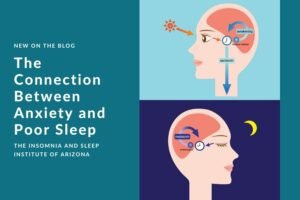
Sleep and mental health share a complex, interdependent relationship. When sleep is insufficient or of poor quality, the body produces excess stress hormones like cortisol, which disrupt emotional balance. Meanwhile, neurotransmitters essential for mood regulation, such as serotonin and dopamine, depend on proper sleep cycles to function optimally. This two-way relationship means that mental health conditions can disrupt sleep, and poor sleep can worsen these conditions, creating a cycle that impacts overall quality of life.
Research consistently highlights that individuals with chronic sleep problems are more susceptible to anxiety, depression, and irritability. Beyond mood, poor sleep affects concentration, memory, and decision-making. By focusing on sleep improvement tips for mental health, individuals can proactively strengthen both their mental resilience and cognitive performance. Understanding this connection motivates a commitment to actionable steps that make restful sleep not just a luxury but a mental health necessity.
Establish a Consistent Sleep Schedule
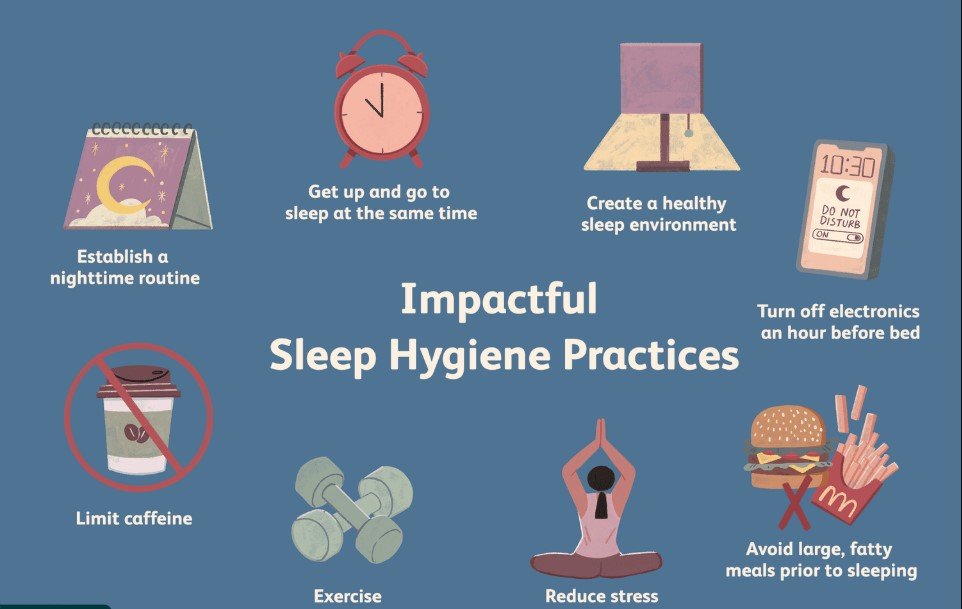
One of the most effective ways to improve sleep quality is establishing a consistent sleep schedule. Going to bed and waking up at the same time every day—even on weekends—helps regulate your internal body clock. This stability reinforces natural circadian rhythms, making it easier to fall asleep and wake up refreshed. Consistency also signals to your body and brain that sleep is a priority, reducing the frustration and anxiety that often accompany sleepless nights.
Gradually adjusting your bedtime in 15-minute increments until you reach an ideal schedule ensures that your routine is sustainable. Pairing this with morning sunlight exposure helps reinforce your circadian rhythm, improving both mood and alertness. A predictable sleep routine is one of the most powerful sleep improvement tips for mental health, offering long-term benefits by stabilizing emotional regulation, enhancing cognitive performance, and reducing overall stress levels.
Create a Relaxing Sleep Environment
The environment you sleep in plays a vital role in the quality of your rest. A bedroom that is dark, quiet, and cool promotes relaxation and signals your brain that it’s time to wind down. Blackout curtains, eye masks, earplugs, and white noise machines can significantly enhance your sleep environment, blocking out disruptions that interfere with deep, restorative rest. Even small changes, such as decluttering or choosing comfortable bedding, can have a profound effect on how well you sleep.
Temperature also plays an important role; a slightly cooler room is generally optimal for promoting sleep, as it helps lower the body’s core temperature, which is necessary for deep sleep stages. Aromatherapy, such as lavender or chamomile, can further signal relaxation, making it easier to follow other sleep improvement tips for mental health. By creating a sleep-conducive environment, you allow your mind and body to relax fully, improving both the duration and quality of your rest.
Limit Stimulants and Alcohol Before Bed
Caffeine, nicotine, and alcohol are among the most common substances that disrupt sleep. Consuming these in the afternoon or evening can delay the onset of sleep, reduce deep sleep stages, and interfere with the overall sleep cycle. By avoiding stimulants late in the day, your body can naturally produce melatonin, the hormone responsible for regulating sleep. Switching to herbal teas or decaf options in the evening is a simple but effective strategy for promoting better rest.
Alcohol, while it may initially make you feel sleepy, can fragment sleep later in the night, leading to restless sleep and fatigue upon waking. Reducing or eliminating evening consumption improves mental clarity, emotional stability, and overall health. Paying attention to these details is a practical and actionable sleep improvement tip for mental health that ensures both body and mind are prepared for restorative sleep every night.
Manage Stress and Anxiety
Stress and anxiety are leading causes of sleep disturbances. Racing thoughts, worries, and mental tension can prevent the body from entering a state of relaxation necessary for sleep. Techniques such as journaling, writing down worries, or creating a to-do list before bed help release mental burdens and create a sense of control. This practice reduces overthinking and allows the mind to transition smoothly into sleep.
Cognitive strategies, including challenging negative thoughts or practicing gratitude, can also be highly effective. Relaxation exercises like deep breathing, progressive muscle relaxation, or mindfulness meditation calm the nervous system, lowering heart rate and preparing the mind for rest. By proactively managing stress, these sleep improvement tips for mental health ensure that bedtime becomes a restorative period rather than a source of tension and frustration.
Incorporate Mindful Relaxation Techniques
Mindful relaxation techniques enhance your ability to fall asleep naturally and improve sleep quality. Practices such as meditation, deep breathing, gentle stretching, or yoga before bed calm both mind and body, reducing stress hormone levels and promoting parasympathetic activation—the body’s “rest and digest” mode. Engaging in these practices regularly strengthens the brain’s ability to respond to relaxation cues, making sleep easier to achieve consistently.
Other methods include reading calming literature, listening to soft music, or taking warm baths to signal to your body that it is time to wind down. Combining these activities with a consistent bedtime routine enhances the effectiveness of other sleep improvement tips for mental health. Over time, this approach helps create a natural association between relaxation activities and sleep, leading to quicker sleep onset and deeper, more restorative rest.
Lifestyle Changes to Support Better Sleep
Daily habits significantly influence sleep quality. Regular exercise, when performed during the day, improves circulation, reduces stress, and promotes deeper sleep cycles. However, avoid intense workouts close to bedtime, as they may elevate heart rate and delay sleep onset. Physical activity, alongside other healthy habits, strengthens the impact of sleep improvement tips for mental health.
Nutrition is equally important. Foods rich in magnesium, tryptophan, and complex carbohydrates, like nuts, dairy, and whole grains, support relaxation and melatonin production. Avoid heavy, spicy, or sugary meals late at night, as they can disrupt digestion and reduce sleep quality. Limiting caffeine and screen exposure in the evening further supports healthy sleep cycles. These lifestyle changes work synergistically to enhance mental clarity, mood stability, and overall well-being.
Address Common Sleep Problems
Many people experience issues like insomnia, restless sleep, or overthinking at night, which can interfere with mental health. Insomnia may result from stress, irregular routines, or underlying medical conditions. Practicing relaxation techniques, following a consistent sleep schedule, and creating a calming environment can significantly reduce symptoms. Understanding the triggers of sleep disturbances allows you to apply targeted solutions effectively.
Restless sleep, including frequent nighttime waking, can leave you fatigued even after adequate hours in bed. Identifying factors such as room temperature, noise, or anxiety can help address these problems. Techniques like sleep diaries, relaxation exercises, and mindfulness can restore restful sleep patterns. By actively tackling common sleep problems, you can maximize the benefits of sleep improvement tips for mental health and enjoy long-term restorative rest.
When to Seek Professional Help
While most sleep issues can be managed with lifestyle adjustments and consistent habits, persistent problems may indicate underlying health conditions. Chronic insomnia, severe fatigue, or mood disturbances are signs to consult a doctor, sleep specialist, or therapist. Professional guidance can identify potential causes such as hormonal imbalances, anxiety disorders, or sleep apnea, providing personalized strategies to restore healthy sleep patterns.
Early intervention ensures that sleep problems do not worsen mental health over time. Combining medical support with practical sleep improvement tips for mental health enhances effectiveness, enabling individuals to regain both restful sleep and emotional balance. Seeking help is a proactive step towards long-term wellness, rather than a sign of weakness.
Conclusion
Improving sleep is a fundamental step in supporting mental health and overall well-being. By establishing a consistent routine, creating a calming environment, managing stress, and implementing mindful relaxation techniques, you can significantly enhance sleep quality. Adopting these sleep improvement tips for mental health consistently empowers you to fall asleep faster, enjoy restorative rest, and wake up refreshed, ready to handle daily challenges with clarity, calm, and resilience.
FAQs
How many hours of sleep do I need for mental health?
Most adults require 7–9 hours per night. Both sleep quality and duration are critical to maintaining emotional and cognitive health.
Can poor sleep worsen anxiety or depression?
Yes, chronic sleep deprivation can amplify mood disorders, making stress and anxiety more pronounced over time.
Are there natural ways to fall asleep faster?
Yes, including mindful breathing, meditation, journaling, and reducing screen exposure in the evening.
Can diet affect sleep quality?
Absolutely. Foods rich in magnesium, tryptophan, and complex carbohydrates support relaxation and healthy sleep cycles.
When should I seek professional help for sleep issues?
Consult a healthcare professional if sleep disturbances persist for weeks, severely affect daily life, or contribute to worsening mental health.
You may also read: Biological Mechanisms: Why Sleep Matters for the Brain