Tricking your brain into feeling genuinely satisfied while consuming a lower amount of daily energy is the ultimate secret weapon for sustainable weight loss. Many people mistakenly assume that cutting back on their food intake requires eating tiny, uninspiring portions that leave their stomachs rumbling loudly just an hour after finishing a plate. However, real success lies in the art of volume eating, which involves filling your dinner plate with high-volume, water-dense ingredients that trigger your body’s natural stretch receptors to signal fullness to your brain without adding a heavy energy load.
By intentionally prioritizing nutrient-dense whole ingredients, you can effortlessly assemble low calorie meals that rival the satisfaction of your favorite classic comfort foods. The primary strategy centers on anchoring your evening plate around incredibly lean proteins paired with an abundance of fiber-rich cruciferous vegetables or leafy greens. This proven nutritional approach ensures that your overall digestion slows down naturally, keeping your daily blood sugar levels stable, boosting your metabolic rate, and entirely preventing the sudden, intense spikes in hunger that typically crash a new wellness routine before it can even take root.
The Science of the Deficit: Understanding Calories and Weight Loss
Achieving long-term fat loss requires a clear, practical understanding of metabolic mathematics and how your body utilizes daily fuel. At its core, any successful body transformation requires a consistent calorie deficit, a physiological state where you consume less energy from food than your body burns through daily activity and metabolic functions. To discover your unique starting point, utilizing a digital calorie calculator or a maintenance calorie calculator helps you accurately benchmark your baseline energy expenditure before you begin mapping out your weekly dinner menu.
Once you have identified that personal baseline, a reliable calorie deficit calculator can safely determine your ideal daily target intake to promote steady fat loss without sacrificing vitality. It is incredibly easy to accidentally stall your progress by mindlessly consuming hidden high calorie foods, such as heavy cooking oils, excessive butter, and creamy store-bought dressings that pack immense energy into tiny servings. Shifting your culinary focus toward whole low calorie foods allows you to enjoy significantly larger, highly satisfying portions while maintaining your target deficit without feeling a sense of deprivation.
Essential Digital Tools for Tracking Your Daily Intake
Navigating a modern nutritional transformation is immensely easier when you actively leverage the power of smart digital technology. Relying strictly on mental guesswork or estimation frequently leads to underestimating your true portion sizes, which is precisely why utilizing an accurate digital calorie counter acts as a true behavioral game-changer. Logging your home-cooked dishes into a reliable mobile calorie tracker gives you immediate, real-time visibility into your daily macronutrient distribution and ensures your personal wellness goals remain completely transparent and attainable.
Finding the best calorie counter app or a highly reviewed free calorie counter app allows you to scan product barcodes and calculate complex recipes in just a few seconds. These intuitive digital diaries are also incredibly useful for managing your social life and making informed decisions when dining out with friends. For example, quickly checking an official chipotle calorie calculator or a starbucks calorie calculator ensures you can confidently enjoy your favorite custom orders on the go without disrupting your hard-earned progress.
The Best Low Calorie Meals Under 500 Calories

This ultimate recipe compilation proves conclusively that health-conscious cooking can be incredibly diverse, deeply flavorful, and visually appealing. By organizing these fifty distinct recipe ideas into simple, accessible categories, you can easily rotate your weekly menu to keep your taste buds excited and engaged. These satisfying low calorie meals rely on clever, low-carb ingredient swaps, like replacing traditional wheat pasta with spiralized zucchini noodles or trading white rice for fluffy cauliflower grains, to slash the total energy density while keeping your plate piled high.
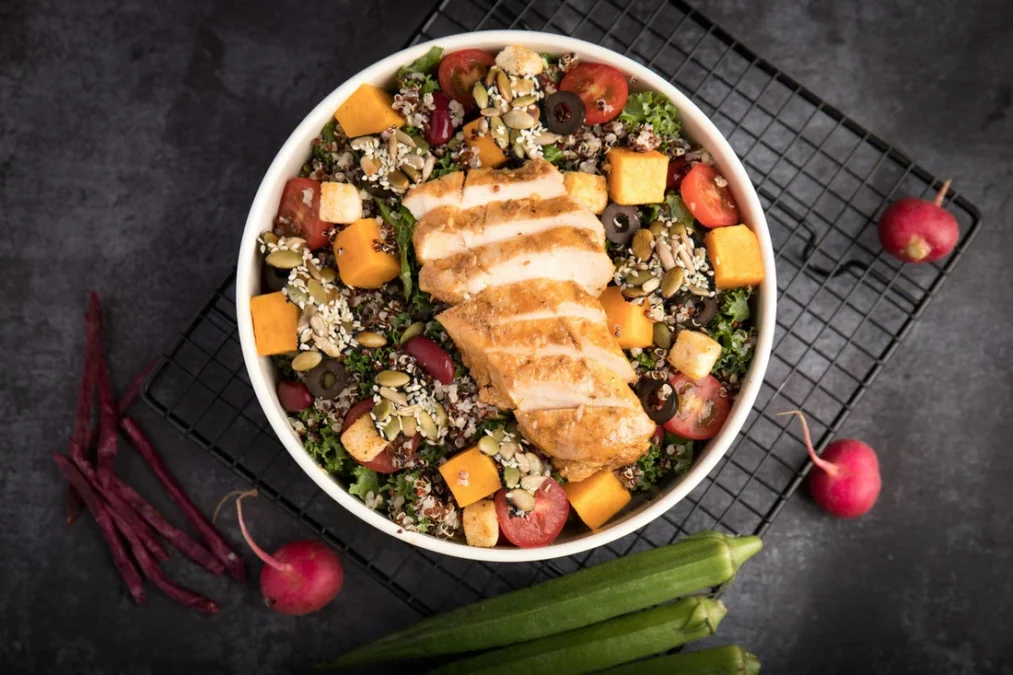
To get the absolute most out of this culinary approach, you should focus your ingredient shopping heavily on low calorie high protein foods like skinless chicken breast, wild-caught white fish, lean ground turkey, and firm tofu. For lean poultry lovers, try a smoky 350-calorie Spanish chicken traybake tossed with aromatic chorizo and green beans, or whip up a fast ground turkey burrito bowl served over a bed of crisp, shredded spinach. If you prefer seafood, a rapid fifteen-minute ginger shrimp stir-fry or a pan-fried lemon herb cod paired with a mountain of roasted asparagus spears will provide exceptional nutrition while keeping your total numbers well under the 500-calorie threshold.
Smart Meal Prep Strategies to Stay in a Calorie Deficit
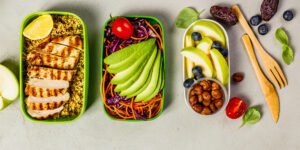
Maintaining consistency in your daily nutrition is a habit built during your quiet hours in the kitchen rather than during a stressful weeknight. Preparing your core recipe ingredients well in advance entirely removes the mental friction of evening cooking, making it infinitely easier to stick to your dietary goals when you are tired. Batch-cooking your favorite low calorie high protein foods ensures that a healthy, macro-friendly dinner is always sitting in your refrigerator, ready to be reheated in a matter of minutes.
Alongside your primary evening courses, keeping a well-curated supply of healthy low calorie snacks in your pantry prevents impulsive, late-night trips to the vending machine or local fast-food drive-thru lanes. Having pre-washed berries, sliced cucumbers, or hard-boiled eggs readily available bridges the energy gaps between your main meals, ensuring your total daily numbers remain exactly where they need to be. By setting up your environment for automatic success, you remove the reliance on pure willpower and create a sustainable routine that yields lasting results.
Conclusion: Making Sustainable Health Choices
Transitioning to a healthier way of living does not require you to sign up for a lifetime of restrictive eating habits, extreme hunger, or flavorless salads. True dietary sustainability comes from discovering a wide, vibrant variety of low calorie meals that genuinely satisfy your cravings while aligning perfectly with your physical health goals. When you change how you look at the structure of your plate, eating well stops feeling like a temporary punishment and begins feeling like an act of self-care.
By embracing high-volume cooking techniques, tracking your daily progress with modern mobile applications, and prioritizing lean protein sources, you build a lifestyle that functions seamlessly for the long haul. Remember that weight loss is an deeply personal journey defined by long-term consistency rather than short-term perfection. Fuel your body with nutrient-dense, flavorful foods, stay patient with your body’s natural fluctuations, and thoroughly enjoy the delicious process of achieving your ultimate wellness goals.
Frequently Asked Questions
What is the absolute easiest way for a beginner to calculate their personal daily calorie needs for fat loss? The most accurate and efficient method available today is utilizing a reputable online calorie maintenance calculator to establish your baseline data. These smart algorithms carefully analyze your specific age, biological sex, current weight, and daily activity habits to determine how much energy your body requires to maintain its current state, allowing you to easily subtract a modest percentage to create a safe, sustainable fat-loss plan.
What specific foods are considered the most filling while still being incredibly low in overall calories? The best options are whole foods that rank exceptionally high on the global satiety index due to their dense water, fiber, and protein structures. You should look to load your grocery cart with cruciferous vegetables like broccoli and Brussels sprouts, leafy salad greens, egg whites, plain non-fat Greek yogurt, and fresh berries, all of which provide immense physical volume in your stomach without adding a heavy caloric density to your daily intake.
Can I still enjoy eating out at popular restaurants while actively tracking my food for a weight loss goal? Absolutely, you can easily enjoy restaurant meals by simply applying a small amount of digital pre-planning before you arrive at the venue. You can seamlessly utilize free online tools like a chipotle calorie counter to customize a macro-friendly bowl and view the exact nutritional breakdown before ordering, ensuring your social meals fit perfectly into your daily nutritional budget without stalling your progress.
You may also read: Aloe Vera Beyond the Gel: The Rise of Aloe Vera Juice