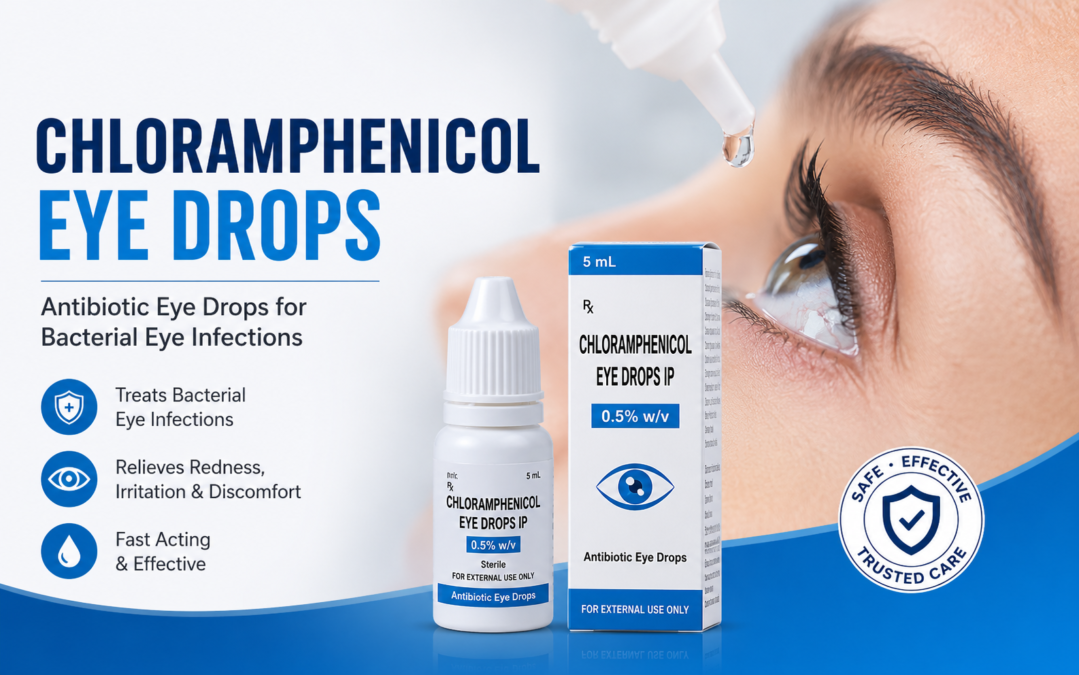
Chloramphenicol eye drops serve as a cornerstone in the treatment of acute bacterial conjunctivitis, functioning as a powerful, broad-spectrum antibiotic that targets the cellular machinery of bacteria. When harmful bacteria invade the conjunctiva—the thin, transparent tissue covering the white part of your eye and the inside of your eyelids—they trigger a robust inflammatory response. This response manifests as the classic symptoms of “pink eye,” including significant redness, gritty irritation, persistent itching, and the production of a thick, sticky discharge that often causes the eyelids to crust over during sleep. By actively inhibiting the protein synthesis necessary for bacterial growth and survival, these drops allow your immune system to effectively neutralize the infection, reducing symptoms and preventing the spread of bacteria to others.
It is critically important for patients to understand that while this medication is highly effective, it is strictly indicated for bacterial infections. Many cases of conjunctivitis are actually caused by viral infections or allergic reactions to environmental triggers like pollen, dust, or pet dander. Because antibiotics have zero impact on viruses or inflammatory allergic responses, using them when not medically necessary is not only ineffective but also contributes to the global challenge of antibiotic resistance. Before initiating treatment, you should always seek an assessment from a healthcare professional or a qualified pharmacist to confirm that your eye irritation is indeed bacterial in origin, ensuring that you receive the most appropriate and safe medical intervention for your specific ocular condition.
Recommended Dosage and Administration Protocols
For the majority of adults and children, the standard therapeutic regimen for these antibiotic drops involves the application of one or two drops into the affected eye at intervals ranging from every two to six hours. During the initial forty-eight hours of the treatment course, when the bacterial load is typically at its peak, many clinical guidelines suggest a more frequent application schedule to aggressively manage the infection. Consistency is the most important factor in achieving successful outcomes; therefore, you should strive to space out your doses evenly throughout your waking hours to maintain a stable, effective concentration of the medicine within the ocular environment, ensuring that the bacteria are continuously inhibited from replicating or recovering.
A common mistake that often leads to a resurgence of symptoms is the premature discontinuation of the medication once the eye begins to feel better. You must continue to administer the prescribed drops for a full forty-eight hours after your eyes appear to have returned to a completely normal state. This critical “buffer period” ensures that any residual, slow-growing bacteria are fully eradicated, significantly reducing the risk of a secondary infection. If you find yourself frequently forgetting doses or struggling to adhere to the schedule, consider setting alarms on your phone or keeping the bottle in a visible location where you perform your morning and evening routines, as this simple strategy helps ensure your recovery remains on track.
A Step-by-Step Guide for Safe Application
The efficacy of your treatment is heavily dependent on the precision of your application technique, which is why hygiene must be your absolute priority. Before you even touch the medication bottle, you must wash your hands thoroughly with antibacterial soap and warm water to prevent the introduction of new bacteria or contaminants into the already sensitive eye area. Once your hands are clean and dry, find a comfortable position, perhaps in front of a mirror, and tilt your head slightly backward. Use your index finger to gently pull down your lower eyelid, creating a small, clean “pouch” or pocket between the eyelid and the eye itself, which serves as the optimal receptacle for the medication to land.
As you prepare to release the drop into this pouch, it is vital to keep the dropper tip stable and clean. Ensure that the tip of the bottle never comes into direct contact with your eye, eyelashes, eyelids, or your fingertips, as this can easily contaminate the entire bottle and lead to a worsening of the infection or the introduction of new pathogens. After the drop is successfully placed, close your eye gently—do not squeeze it shut—and keep it closed for at least sixty seconds to allow the medicine to disperse evenly across the ocular surface. If you are a contact lens wearer, you must strictly abstain from wearing lenses until at least twenty-four hours after the full course of treatment has been successfully completed, as lenses can harbor bacteria and impede the healing process.
Managing Safety Precautions and Potential Side Effects
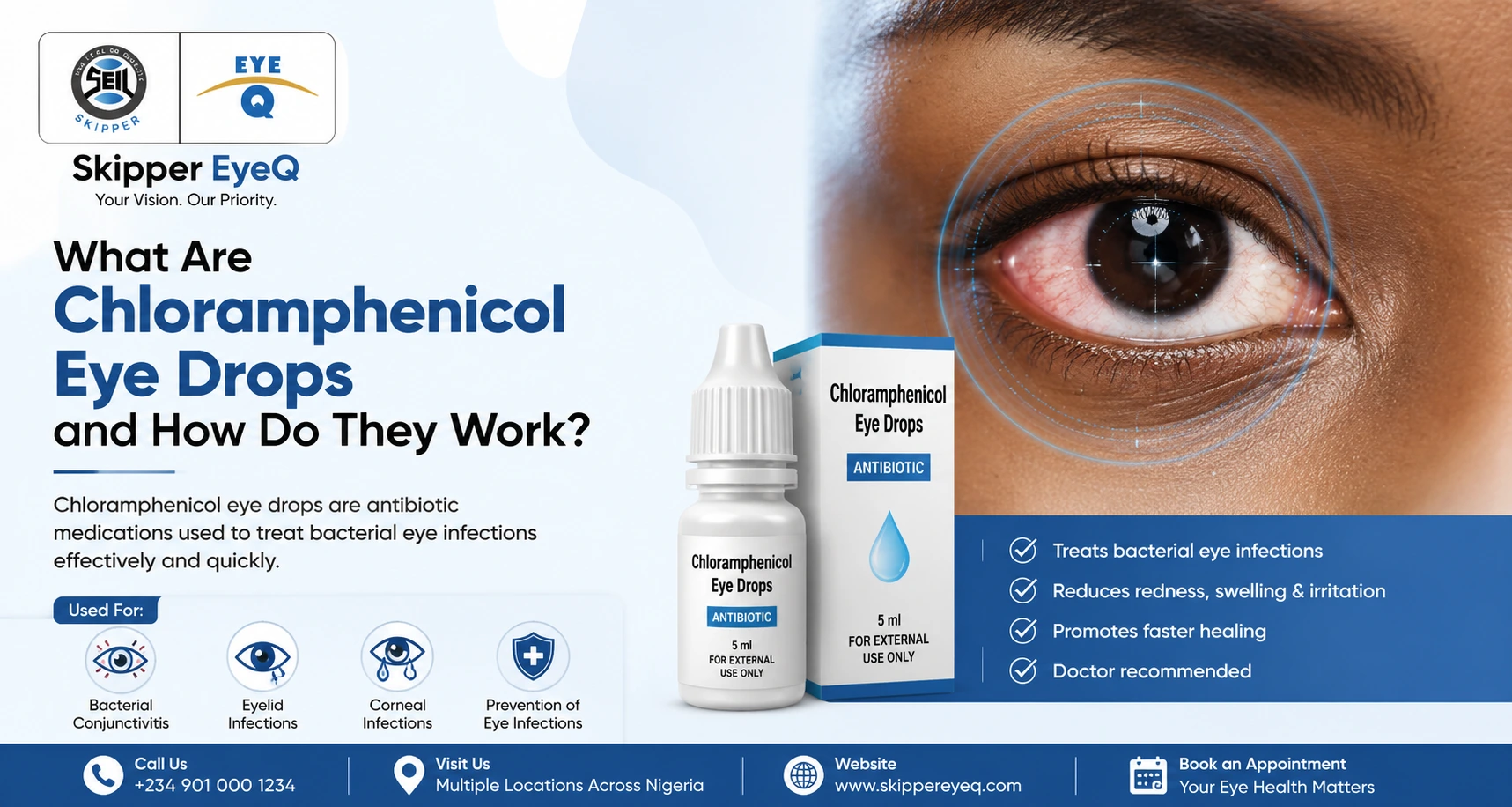
While the vast majority of patients find this medication to be well-tolerated and highly effective, it is common to experience a brief, temporary sensation of stinging or mild burning immediately after the drops are applied. This is generally a normal reaction to the chemical composition of the preservative or the drug itself and should subside within one to two minutes. If you experience temporary blurred vision following application, it is essential to exercise caution and avoid driving, cycling, or operating heavy machinery until your vision has fully cleared. Prioritizing your safety by waiting for your sight to return to its normal sharpness is a crucial part of the recovery process, preventing accidents during the period of treatment.
In rare instances, individuals may develop more significant adverse reactions, such as persistent, severe eye pain, extreme sensitivity to light, or a visible rash on the face or scalp. If you notice any of these symptoms, or if your condition shows absolutely no signs of improvement after forty-eight hours of consistent use, you must stop the medication and seek an immediate consultation with an eye care specialist or your primary physician. Additionally, it is important to store your medication in a cool, dry place, keeping it safely out of the reach of children. Checking the expiration date before every use is another simple yet vital safety measure, as outdated antibiotics may lose their potency and fail to protect you against the infection.
Understanding Specialized Uses and Comparative Treatments
The world of ocular medication is diverse, and while chloramphenicol eye drops are frequently prescribed, they are occasionally supplemented or substituted with chloramphenicol eye ointment based on the specific needs of the patient. The ointment has a thicker, gel-like consistency that is often preferred for use at night, as it persists on the surface of the eye for a longer duration, providing a sustained release of the antibiotic while you are sleeping. Both the drops and the ointment are highly effective tools for managing bacterial conjunctivitis, but they should be used exactly as directed by your healthcare provider to ensure that the medication is delivered in the form most appropriate for your specific stage of recovery.
It is also worth noting a common point of confusion: the distinction between eye preparations and ear preparations. You should never, under any circumstances, use chloramphenicol ear drops in your eyes, nor should you use eye drops in your ear, as they are formulated with different concentrations and pH levels designed for the unique physiology of those distinct areas. Furthermore, if you are a pet owner, you may be tempted to use your own medication to treat a pet with eye issues. Please refrain from this practice; veterinary medicines are specifically formulated for the unique physiological needs of animals, and human-grade medication could potentially cause significant harm or toxic reactions for your pet. Always consult a veterinarian to secure safe, species-appropriate care for your animal companions.
Final Guidance for Maintaining Ocular Health
Successfully overcoming a bacterial infection is a process that requires patience, diligence, and strict adherence to the prescribed medical regimen. By using your medication exactly as instructed and maintaining the highest standards of personal hygiene, you provide your body with the best possible environment to fight off the infection and restore your ocular health. Remember that symptoms like redness and discharge are not just nuisances; they are signals from your body that require a controlled, medical response. Once you finish your course of treatment, continue to monitor your eyes for a few days to ensure that the infection is completely gone and that you are not experiencing any lingering discomfort or secondary issues.
Taking care of your eyes is a lifelong endeavor that extends far beyond treating acute infections. While chloramphenicol is an excellent solution for bacterial issues, long-term ocular comfort and clarity depend on regular preventative care, such as scheduling routine eye exams, wearing sunglasses to protect against UV damage, and avoiding common irritants. By incorporating these healthy habits into your lifestyle, you are not only resolving your current problem but also building a strong foundation for future eye health. If you ever find yourself in doubt about your symptoms or the progress of your healing, never hesitate to reach out to a local pharmacist or GP. They are an invaluable resource, ready to provide the professional support you need to ensure your vision remains clear, comfortable, and healthy for many years to come.
Frequently Asked Questions About Chloramphenicol
Is chloramphenicol an antibiotic?
Yes, chloramphenicol is a broad-spectrum antibiotic that is highly effective at killing the various bacteria known to cause conjunctivitis and other superficial ocular infections. It works by preventing bacteria from producing the essential proteins they need to grow, multiply, and sustain their life cycle within your eye.
Can I buy chloramphenicol eye drops over the counter?
In many jurisdictions, yes, you can purchase these drops from a registered pharmacy after a professional consultation. A pharmacist will ask you about your symptoms and medical history to confirm that the medication is appropriate for your specific condition before authorizing the sale, ensuring you receive safe and effective care.
How long should I continue using the drops?
The standard recommendation is to continue applying the drops for at least 48 hours after your eyes appear to have returned to a completely normal state. This duration is vital to ensure that any remaining bacteria are thoroughly eliminated, which prevents the infection from flaring up again shortly after treatment.
Can I use the ointment on my skin instead of my eye?
No, you should never use eye or ear preparations on your skin. These medications are specifically formulated for the delicate, sensitive tissues of the eye and do not contain the appropriate base or delivery agents required for effective absorption through the skin’s thicker, more complex layers.
What should I do if I miss a scheduled dose?
If you realize you have missed a dose, apply it as soon as you remember. However, if the time for your next dose is very close, simply skip the missed one and return to your regular schedule. Never double up on your drops to “make up” for a missed application, as this does not improve efficacy.
Is this medication effective against viral pink eye?
No, chloramphenicol is exclusively an antibiotic. If your infection is viral—which is often the case when there is clear, watery discharge rather than sticky, yellow pus—it will not respond to this treatment. In such cases, your doctor will likely recommend supportive care, such as warm compresses and artificial tears, to help manage the discomfort while your immune system fights the virus.
You may also read: The Impact on His Legendary Music Career and Tour Retirement