In recent years, the demand for non-invasive cosmetic dental treatments has expanded dramatically as patients seek fast, comfortable ways to refine their smiles. Among the available options, composite bonding teeth procedures have emerged as a premier choice for addressing chips, uneven edges, and minor gaps without the need for aggressive drilling or enamel removal. Understanding how this versatile treatment works allows you to make an informed choice about your oral health, aesthetic goals, and overall financial investment.
Whether you are considering a quick touch-up or a complete smile makeover, knowing the details behind resin materials, clinical steps, pricing, and long-term care is essential. This comprehensive guide breaks down everything you need to know about cosmetic resin applications, setting realistic expectations for your transformation while highlighting key advantages over traditional restorations. By understanding the full process, you can approach your consultation with clarity and select the ideal treatment path for your individual needs.
What Is Composite Bonding Teeth?
The concept of Composite Bonding Teeth refers to a modern cosmetic dental technique where a durable, tooth-colored resin material is sculpted directly onto your natural enamel. This biocompatible resin allows experienced dentists to repair chipped surfaces, alter tooth shapes, and cover noticeable discoloration seamlessly. Because the material adheres tightly to your existing tooth structure, it serves both functional and aesthetic purposes while preserving the natural integrity of your tooth underneath.
Unlike traditional porcelain restorations that require filing down significant portions of healthy enamel, composite resin bonding teeth treatments are conservative and non-invasive. Patients frequently prefer this solution because it delivers immediate visual improvements without requiring permanent alterations or lengthy recovery times. Understanding what is composite bonding teeth starts with recognizing it as an artistic, direct-sculpting method tailored specifically to match your natural smile line.
Types and Advanced Techniques in Cosmetic Bonding
When exploring what is bonding teeth, it is helpful to distinguish between different application styles to determine which approach fits your goals. The most targeted technique is edge bonding teeth, which focuses exclusively on repairing frayed edges, small chips, or minor length discrepancies along the biting line. This conservative approach preserves almost all of your original tooth structure while instantly restoring balance and symmetry to your smile.
For broader aesthetic upgrades, dentists often utilize advanced nano bonding teeth materials engineered with ultrafine particles. These nano-hybrid composites deliver superior polishability, higher stain resistance, and enhanced structural strength compared to older generations of resin. While searching for treatment variations, you might also encounter terms like compound bonding teeth, which generally refer to multi-layered resin techniques designed to mimic the natural translucency, shade gradient, and depth of real teeth.
What Problems Can Cosmetic Bonding Teeth Fix?

Choosing cosmetic bonding teeth treatments provides a flexible, efficient answer for a wide range of minor dental imperfections. Dentists routinely use this sculpted resin to close noticeable gaps (diastemas), smooth out jagged edges, and rebuild teeth worn down by mild friction or age. It also serves as an effective disguise for deep-set intrinsic stains that do not respond well to conventional peroxide whitening treatments.
If you are planning a comprehensive smile makeover, timing your procedures in the correct sequence is vital for success. Undergoing composite bonding teeth whitening requires completing any bleaching treatments prior to applying the resin material. Because composite resin does not change color with whitening gels, your dentist must shade-match the composite to your newly brightened natural teeth to ensure a uniform, seamless appearance.
The Step-by-Step Procedure in a Single Visit
One of the primary benefits of receiving composite bonding teeth is that the entire procedure is typically completed in just one convenient office appointment. The process begins with a detailed shade-selection process, where your dentist compares various resin shades against your natural enamel under neutral lighting. This step guarantees an invisible blend once the material is applied and cured under specialized clinical lighting.
Next, the tooth surface is lightly prepared with a mild conditioning gel that opens microscopic pores in the enamel to create a powerful bond. The soft, putty-like composite resin is then applied in delicate layers, sculpted to the desired contour, and hardened in seconds using a high-intensity ultraviolet light. A final, careful polishing process smooths the surface, giving the resin a natural, light-reflecting sheen that blends effortlessly with your surrounding teeth.
Composite Bonding Teeth Before and After: Results and Lifespan
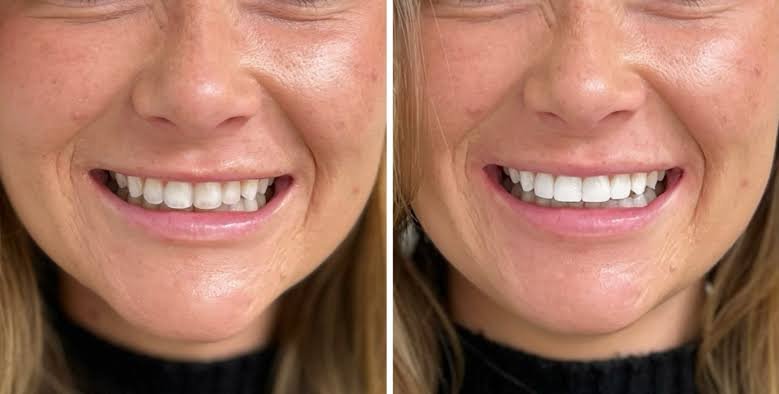
Reviewing composite bonding teeth before and after case studies offers clear, practical insight into what this treatment can realistically accomplish for your smile. Patients frequently transition from asymmetrical, chipped, or gapped teeth to a balanced, radiant appearance in less than an hour per tooth. These visual transformations look remarkably soft and natural when crafted by an experienced cosmetic dentist who understands tooth anatomy and light reflection.
In terms of longevity, bonded composite resin typically lasts between 3 and 10 years depending on your personal lifestyle, bite force, and oral hygiene habits. While porcelain veneers generally offer a longer lifespan, composite restorations provide the distinct advantage of fast, low-cost repairs if a small chip or wear occurs over time. Regular routine dental visits allow your practitioner to polish the material and maintain its original luster indefinitely.
Composite Bonding Teeth Cost Breakdown and Global Options
Understanding the financial commitment is a crucial step when planning any cosmetic dental treatment. The overall composite bonding teeth cost varies based on geographical location, the practitioner’s level of expertise, and how many teeth require treatment. Simple edge repairs cost significantly less than full composite veneers applied across the entire visible smile line, allowing you to tailor treatment to your specific budget.
For patients seeking treatment in the United Kingdom, the average composite bonding teeth cost uk ranges between £150 and £400+ per tooth. This competitive pricing makes local care highly accessible for many individuals. When evaluating overall value, patients often compare bonding teeth cost uk figures with destination dentistry options like composite bonding teeth turkey trips, which involve extra travel planning and follow-up considerations. Evaluating a fair composite bonding teeth price uk option locally often provides better long-term maintenance and peace of mind.
Pros, Cons, and Crucial Aftercare Rules
Every cosmetic dental treatment comes with clear tradeoffs that you should evaluate carefully before moving forward. The primary advantages of composite resin include affordability, rapid application, and zero permanent structural damage to your natural enamel. Conversely, composite resin is slightly more porous than ceramic porcelain, making it somewhat more susceptible to staining and minor chipping over extended periods of heavy use.
To maximize the lifespan of your renewed smile, following strict aftercare guidelines during the first 48 hours post-treatment is essential. Avoid highly pigmented foods and beverages such as red wine, dark coffee, soy sauce, and turmeric while the resin matrix fully stabilizes. Maintain excellent oral hygiene through gentle flossing, use non-abrasive toothpastes, and avoid using your teeth as tools to open packaging or bite on hard objects like ice.
Conclusion and Final Thoughts
Investing in composite bonding teeth represents one of the most accessible, effective, and minimally invasive methods to enhance your smile confidence. By restoring symmetry, repairing minor damage, and refining tooth contours in a single visit, this modern treatment offers exceptional value without requiring permanent alterations to your natural enamel structure.
Selecting a qualified practitioner who understands artistic sculpting and shade integration ensures that your results will look completely natural. With routine home care, sensible eating habits, and periodic professional polishes, your bonded smile can remain bright, smooth, and vibrant for many years to come.
Frequently Asked Questions (FAQs)
Is the composite bonding procedure painful or uncomfortable?
No, the procedure is completely painless and non-invasive for the vast majority of patients. Because your dentist works entirely on the outer surface of your enamel without deep drilling, local anesthesia is rarely required unless underlying tooth decay needs to be treated during the same appointment.
How long does composite bonding last on natural teeth?
With proper care, gentle maintenance, and good oral hygiene, composite resin typically lasts between 3 and 10 years. Routine dental checkups allow your practitioner to repolish the material and touch up minor wear before larger structural issues develop.
Can composite resin be whitened with chemical gels later on?
No, synthetic composite materials do not respond to professional whitening gels or home bleaching products. If you plan to whiten your teeth, you should undergo a whitening treatment before receiving composite bonding so your dentist can match the resin to your lighter tooth shade.
What is the main difference between edge bonding and composite veneers?
Edge bonding applies resin strictly to the tips and corners of teeth to repair minor chips or slight length imbalances. Full composite veneers cover the entire front surface of the tooth to make significant changes to overall shape, alignment, and shade.
What should I do if my bonded tooth chips or breaks?
If your bonding chips, there is no need to worry because composite resin can easily be repaired in a single short appointment. Unlike broken porcelain, your dentist can simply clean the area and add new resin layers without having to remake or replace the entire restoration.
You may also read: How Does It Work? The Science Behind the Device