What Makes Sourdough Different
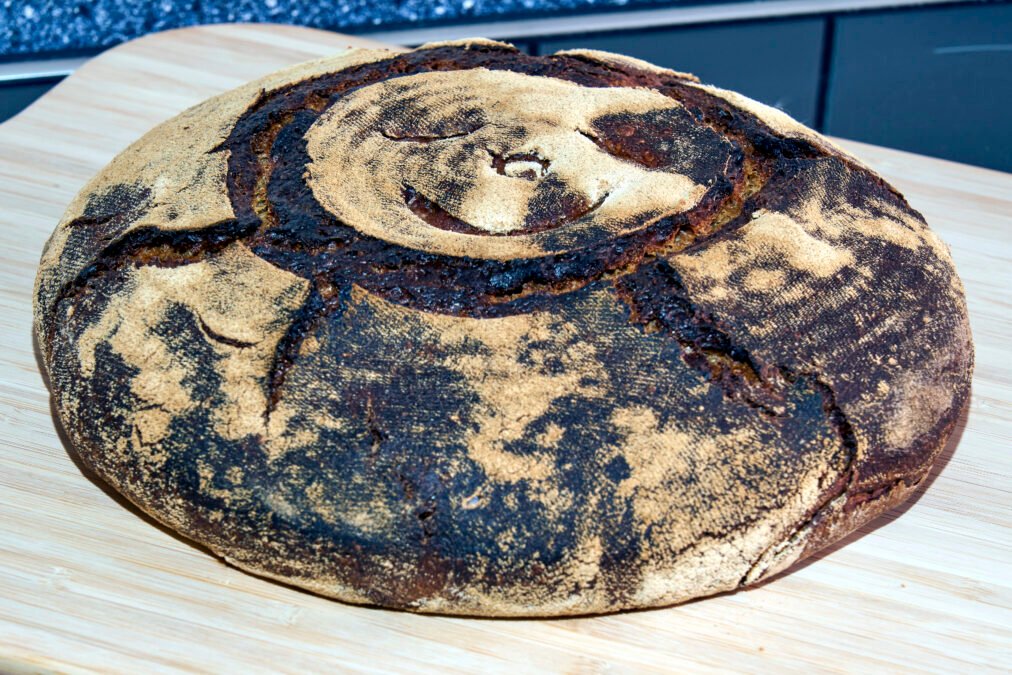
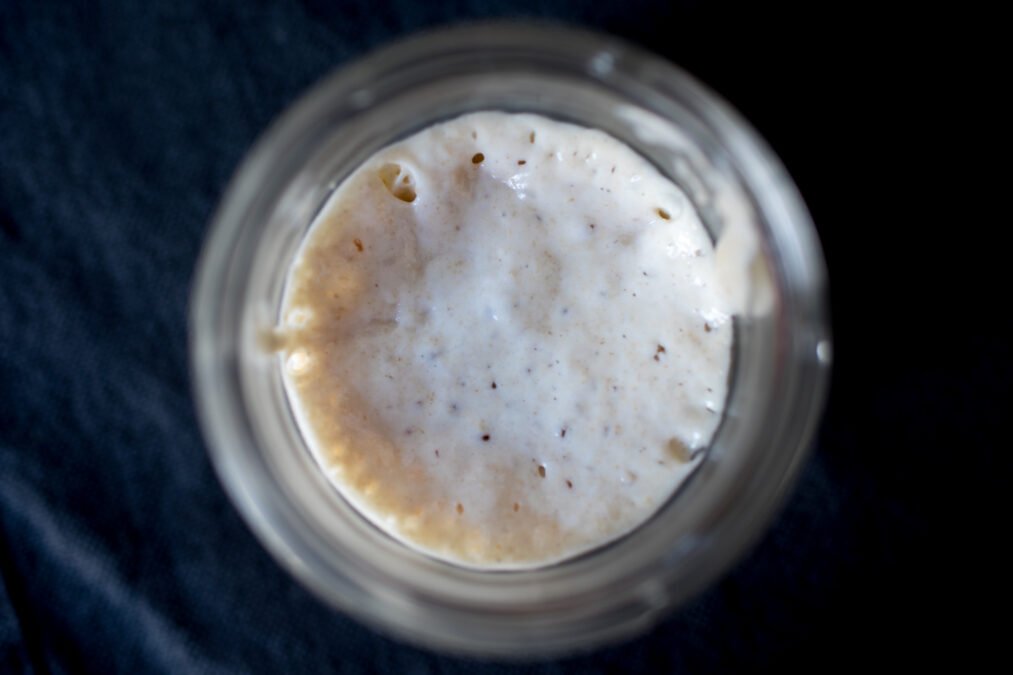
So, is sourdough bread good for you? The short answer is that real sourdough is one of the healthiest breads you can eat, but the long answer matters more, because not every loaf labelled sourdough deserves that reputation. What makes genuine sourdough different from ordinary bread is the way it is made: instead of commercial yeast, bakers use a starter, a living culture of wild yeasts and lactic acid bacteria that ferments the dough slowly, often for twelve to twenty-four hours. That long, slow fermentation is where almost all of sourdough’s health benefits come from, because it changes the chemistry of the bread in ways that a fast rise never can. The result is the tangy flavour, the chewy crust, and the open crumb that sourdough lovers recognise instantly.
Ordinary industrial bread, by contrast, is usually made with the Chorleywood process, a high-speed method invented in Britain in the 1960s that produces a soft, uniform loaf in under two hours using extra yeast, fat, and additives. That bread is cheap, consistent, and long-lasting, but the speed comes at a nutritional cost, because the dough never gets the time it needs for fermentation to do its work. A genuine sourdough needs only flour, water, salt, and time, and its ingredient list is refreshingly short. That simplicity is your first clue when you are standing in the bread aisle: if the label lists a long parade of emulsifiers, preservatives, and flavourings, you are probably not looking at real sourdough, whatever the packaging claims.
Sourdough and Your Gut Health
One of the strongest arguments in sourdough’s favour is the effect of fermentation on your gut, and this is where the science is most interesting. During the long ferment, the bacteria in the starter break down some of the FODMAPs in wheat, which are fermentable carbohydrates that can trigger bloating, wind, and abdominal pain in people with irritable bowel syndrome. Research has found that people with IBS-type symptoms often tolerate sourdough better than conventional bread, and studies measuring gas production have shown significantly lower levels after eating sourdough compared with industrial bread. The lactic acid produced during fermentation also helps create an environment in which friendly gut bacteria can thrive, which is why sourdough is often described as gut-friendly, even though the baking process itself kills the live cultures in the starter.
Fermentation also tackles another problem hidden inside flour: phytic acid, a compound that binds to minerals and stops your body absorbing them properly. The long, acidic ferment of genuine sourdough neutralises much of the phytic acid, which means that minerals such as calcium, zinc, magnesium, and iron, along with B vitamins, become more available to your body than they would be in a quickly risen loaf. That is a genuine nutritional advantage, and it is one of the reasons dietitians often speak warmly about sourdough. It is worth being honest about the limits, though: sourdough is not a probiotic, because the live bacteria do not survive the oven, and it will not fix a poor diet on its own. Think of it as a bread that works with your gut rather than against it, not as a medicine.
Sourdough and Blood Sugar
If you watch your blood sugar, sourdough has another real advantage: it tends to raise blood glucose more slowly than white bread, because fermentation changes the structure of the starches in the dough. The British Heart Foundation notes that sourdough can have a lower glycaemic index than its standard bread equivalent, which means it causes blood sugar levels to rise more slowly, and so it could be a better choice for people with diabetes. Research has even found that the blood sugar benefit can carry over into the next meal, a so-called second-meal effect that suggests the gut responds more calmly to food for hours after eating sourdough. For anyone trying to avoid the sharp spike-and-crash pattern of white bread, that steadier curve is a meaningful improvement, and it can also help with feeling full for longer.
It is important not to overstate this benefit, because sourdough is still a carbohydrate food, and every carbohydrate raises blood sugar to some degree. A thick slice of sourdough still contains roughly thirty to forty grams of carbohydrate, so portion size matters just as much as the type of bread you choose. Pairing sourdough with protein and fibre, such as eggs, beans, avocado, or a salad, will slow the glucose rise further and keep you satisfied for longer. People with diabetes should still check their own response, because individual reactions vary, and wholemeal sourdough, with its extra fibre, is generally a better choice than white sourdough. The fair summary is that sourdough is a smarter bread for blood sugar, not a free pass.
Sourdough Nutrition: What You Actually Get
Strip away the health claims, and what does a slice of sourdough actually contain? An average slice of about fifty grams provides roughly 185 calories, around thirty-six grams of carbohydrate, two grams of protein, one gram of fat, one gram of fibre, and less than one gram of sugar, according to WebMD’s nutritional data. It is also a useful source of minerals, including calcium, potassium, magnesium, and folate, plus niacin and antioxidants that the fermentation process helps to make more available. That is a respectable nutritional profile for a bread, and it compares favourably with white bread, which offers fewer nutrients and less fibre for a similar number of calories. You can read WebMD’s full breakdown of sourdough bread nutrition if you want the detailed figures.
The fibre question deserves a closer look, because it is where sourdough’s reputation can run ahead of reality. Most sourdough is made with white flour, which means it contains less fibre than a wholemeal loaf, and fibre is one of the most important nutrients bread can provide. The British Heart Foundation advises that while sourdough can be a sensible choice, wholegrain bread should be the everyday staple, because wholegrain is higher in fibre, and a wholemeal sourdough gives you the best of both worlds: the fermentation benefits of sourdough plus the fibre of wholemeal flour. If you are choosing between a white sourdough and a wholemeal loaf, the wholemeal loaf usually wins on fibre, but if you can find a wholemeal sourdough, you have found the best option of all. As with all bread, the details on the label matter more than the name on the bag.
The Downsides Nobody Mentions
For all its benefits, sourdough is not a perfect food, and an honest article has to cover the downsides too, starting with the biggest one: sourdough is not gluten-free, and it is not safe for people with coeliac disease. Fermentation does break down some of the gluten in wheat, and some people with non-coeliac gluten sensitivity report tolerating sourdough better than ordinary bread, but the gluten that remains is still far too much for anyone with coeliac disease. If you have been diagnosed with coeliac disease, you must avoid wheat sourdough completely, however long it was fermented, and choose certified gluten-free bread instead. This is one area where internet enthusiasm can be genuinely dangerous, because a half-remembered claim about gluten breakdown is not a substitute for medical advice.
The second downside is salt, which surprises people because sourdough looks so wholesome. The British Heart Foundation has warned that bakery-made sourdough can be saltier than supermarket bread, and bread in general is one of the main sources of salt in the British diet. Government targets recommend that bread should contain no more than 0.9 grams of salt per 100 grams, so checking the label is worth the few seconds it takes. The third downside is simpler: sourdough is still bread, with a similar calorie count to other loaves, and eating large amounts of any bread can crowd out more nutrient-dense foods. Enjoy sourdough as part of a balanced diet, rather than treating it as a health food you can eat without limits, and it will serve you well. For the bigger picture on balanced eating, see the NHS guide to eating a balanced diet.
Real Sourdough Versus Sourfaux
Here is the catch that explains why two loaves both labelled sourdough can be completely different foods: there is no established legal definition of sourdough bread in most countries, including the United Kingdom, which means manufacturers can use the word loosely. Some commercial loaves, nicknamed sourfaux by bakers, are made with ordinary commercial yeast and a fast rise, with sourness faked by adding vinegar, yoghurt powder, or flavourings. These loaves may look and smell a little like sourdough, but they skip the long fermentation that delivers the real health benefits, and they often contain the same additives as any other industrial bread. Paying a premium price for a sourfaux loaf is one of the worst deals in the bread aisle.
Learning to spot the difference is easy once you know what to look for. A genuine sourdough label should list a short set of ingredients, usually just flour, water, and salt, with the starter understood as part of the process, and it should never need added yeast, emulsifiers, or flavourings. The loaf itself often has a thick, crackling crust, an irregular crumb with holes of different sizes, and a tang that develops rather than hits you like vinegar. Bakery and artisan loaves are more likely to be genuine than mass-market ones, although even bakeries vary, so ask the baker how long the dough is fermented if you want to be sure. The old advice from nutritionists still holds: turn the packet over, read the ingredients, and if the list is long and full of words you cannot pronounce, put it back on the shelf.
How to Choose and Eat Sourdough Well
Choosing well starts with the label, and the rules are simple enough to remember on a busy shopping trip. Look for wholemeal or wholegrain sourdough first, because it combines fermentation benefits with fibre, and check that the ingredient list is short, with flour, water, and salt at its heart. Check the salt content too, aiming for no more than 0.9 grams per 100 grams, and be wary of loaves that boast about being freshly baked in store, because some of these are part-baked products that are simply finished in the oven and may not be genuine sourdough at all. If you have a local bakery, ask how the bread is made: a baker who ferments dough overnight will be happy to tell you, and that conversation is often more reliable than any label.
How you eat sourdough matters just as much as which loaf you buy, because the toppings and accompaniments decide whether your meal is genuinely healthy. Sourdough topped with eggs, smashed avocado, beans, or smoked salmon, served with salad or vegetables, is a balanced, satisfying meal that will keep you full for hours. Sourdough loaded with butter, cheese, and processed meat is a different story, and the bread should not take the blame for what goes on top of it. For storage, keep sourdough in a bread bin or cloth bag for a day or two, and freeze sliced loaves for longer, refreshing slices in the oven or toaster. If you enjoy baking, making your own sourdough is surprisingly simple, and a home-baked loaf gives you complete control over flour, salt, and fermentation time, as well as the satisfaction of eating bread you made yourself.
Frequently Asked Questions
Is sourdough bread good for you? Yes, genuine sourdough is one of the healthiest breads you can eat, thanks to its long fermentation, which improves digestibility, helps your body absorb minerals, and slows the rise in blood sugar compared with white bread. It is also gentler on the gut than industrial bread for many people, including some with IBS-type symptoms. The benefits apply to real sourdough made with a starter and a long ferment, not to sourfaux loaves that fake the sour taste with additives. Choose wholemeal sourdough for extra fibre, check the salt content, and enjoy it as part of a balanced diet rather than treating it as a miracle food.
Is sourdough bread good for you if you have diabetes? Sourdough can be a better bread choice for people with diabetes, because its lower glycaemic index means blood sugar rises more slowly than after eating white bread, and research suggests the benefit can even carry over into the next meal. The British Heart Foundation has noted that sourdough could be a better choice for people with diabetes for exactly this reason. However, sourdough still contains roughly thirty to forty grams of carbohydrate per thick slice, so portion size matters, and pairing it with protein and fibre will help further. People with diabetes should monitor their own blood sugar response and speak to their GP or dietitian about how sourdough fits into their personal eating plan.
Is sourdough bread good for you if you have IBS? Many people with IBS find sourdough easier to tolerate than ordinary bread, because the long fermentation breaks down some of the FODMAPs in wheat that can trigger bloating, wind, and abdominal pain. Studies measuring gas production have found significantly lower levels after eating sourdough compared with industrial bread, even when the industrial bread was fermented for longer. That said, IBS varies enormously from person to person, and what helps one person may not help another, so it is worth trying a small amount first and noticing how you feel. If your symptoms are severe or persistent, speak to your GP or a dietitian, who can help you work out whether sourdough, a low-FODMAP approach, or another change is right for you.
Can people with coeliac disease eat sourdough? No. People with coeliac disease must not eat wheat sourdough, because although fermentation breaks down some gluten, the amount that remains is still far too much and will damage the gut. Some people with non-coeliac gluten sensitivity report tolerating sourdough better than ordinary bread, but this does not apply to coeliac disease, and internet claims suggesting otherwise should be ignored. If you have coeliac disease, choose bread that is specifically labelled gluten-free, and check that it is certified. If you are unsure whether you have coeliac disease or gluten sensitivity, see your GP for proper testing before changing your diet, because cutting out gluten before testing can make the tests unreliable.
Final Thoughts
So, is sourdough bread good for you? For most people, the answer is a clear yes, with a few sensible conditions attached. Genuine sourdough, made with a starter and a long fermentation, is easier to digest, kinder to blood sugar, and richer in available nutrients than ordinary white bread, and it is one of the few breads that earns its health reputation. The conditions matter, though: choose real sourdough rather than sourfaux, prefer wholemeal for extra fibre, watch the salt, and remember that even the best bread is only one part of a balanced diet. If you already enjoy sourdough, you are making a good choice, and if you have never tried it, a wholemeal loaf from a good bakery is a fine place to start.
The broader lesson of sourdough is about food itself: time and simplicity are worth more than speed and additives, and the oldest methods are sometimes the healthiest. A loaf made from flour, water, salt, and patience has been feeding people for thousands of years, and modern research keeps finding reasons to respect it. As with other everyday nutrition choices, including supplements, it pays to check the evidence, as we explain in our evening primrose oil benefits guide. Eat real food, read the label, and enjoy your bread, because the healthiest diet is usually the one you can actually stick to.