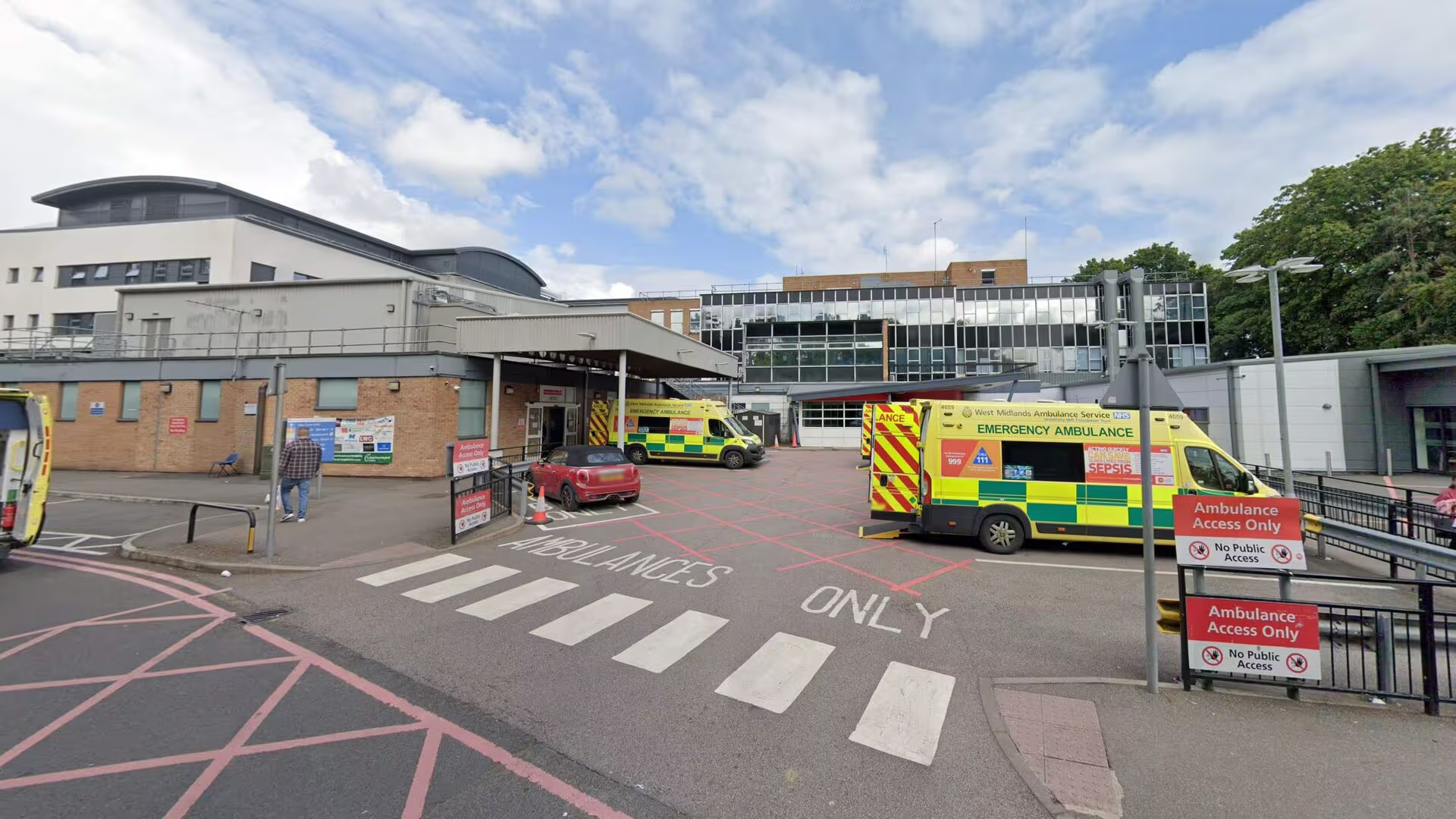
When sudden health concerns or minor accidents occur, making quick, informed decisions regarding medical care is paramount to getting fast treatment. Searching for live a&e waiting times near me enables patients and families to evaluate local emergency services before even stepping out of their front door. Instead of spending hours in a crowded waiting area, digital tracking platforms deliver real-time visibility into local hospital queues. This immediate transparency helps relieve anxiety, improves patient flow, and allows individuals to select the fastest, most effective path toward receiving high-quality healthcare.
Modern digital wait trackers have revolutionized how the public interacts with urgent healthcare systems across the region. By accessing up-to-the-minute department workloads, individuals can avoid severely overburdened emergency rooms and make strategic choices for non-life-threatening conditions. Understanding how to navigate these digital tools ensures you spend less time in waiting rooms and more time receiving the actual medical care you require. Whether dealing with a minor fracture or sudden abdominal pain, leveraging live data puts vital healthcare planning back into your own hands.
How to Check Live A&E Waiting Times Near Me Right Now
Accessing real-time hospital queue data has become exceptionally straightforward thanks to official regional health portals and mobile healthcare applications. To locate live a&e waiting times near me, users simply enter their current postcode or allow secure location services on their mobile device. The system instantly processes nearby facilities, presenting a sorted list of the closest emergency departments and urgent treatment centres alongside their active queue durations. These platforms update continuously to provide an accurate snapshot of local emergency department activity at any hour of the day or night.
When evaluating live hospital dashboards, pay close attention to the distinct metrics displayed on the dashboard layout. Most reliable tools highlight the average estimated wait time to consult with a medical professional, the total number of patients currently registered in the department, and the longest active waiting duration. It is crucial to verify the timestamp label on the dashboard to ensure the reported numbers reflect current conditions rather than delayed data. Checking data freshness ensures that your travel decisions are grounded in precise, real-time insights for maximum efficiency.
How NHS Waiting Times Are Calculated for Incoming Patients
Emergency department wait time estimates are generated through sophisticated digital hospital management systems, yet they remain fluid projections rather than fixed appointments. Upon arrival at a facility, clinical care teams immediately assess incoming patients using a standardized triage process. This triage procedure prioritizes individuals based strictly on clinical urgency, placing life-threatening conditions like heart attacks, stroke, and severe trauma at the absolute top of the queue. Consequently, a sudden influx of critical emergency cases can cause published digital wait estimates to shift rapidly within minutes.
Understanding the fundamental distinction between initial clinical assessment and comprehensive medical treatment helps establish realistic patient expectations during hospital visits. While the initial triage evaluation is performed rapidly after arrival to confirm safety, seeing a treating physician or emergency specialist depends entirely on overall department capacity and case severity. Digital wait trackers primary display the estimated time from initial arrival to full consultation. Recognizing how dynamic clinical environments operate prevents unnecessary frustration and helps patients better appreciate the essential prioritization work done by dedicated medical teams.
Comparing A&E vs Urgent Treatment Centres for Shorter Waits
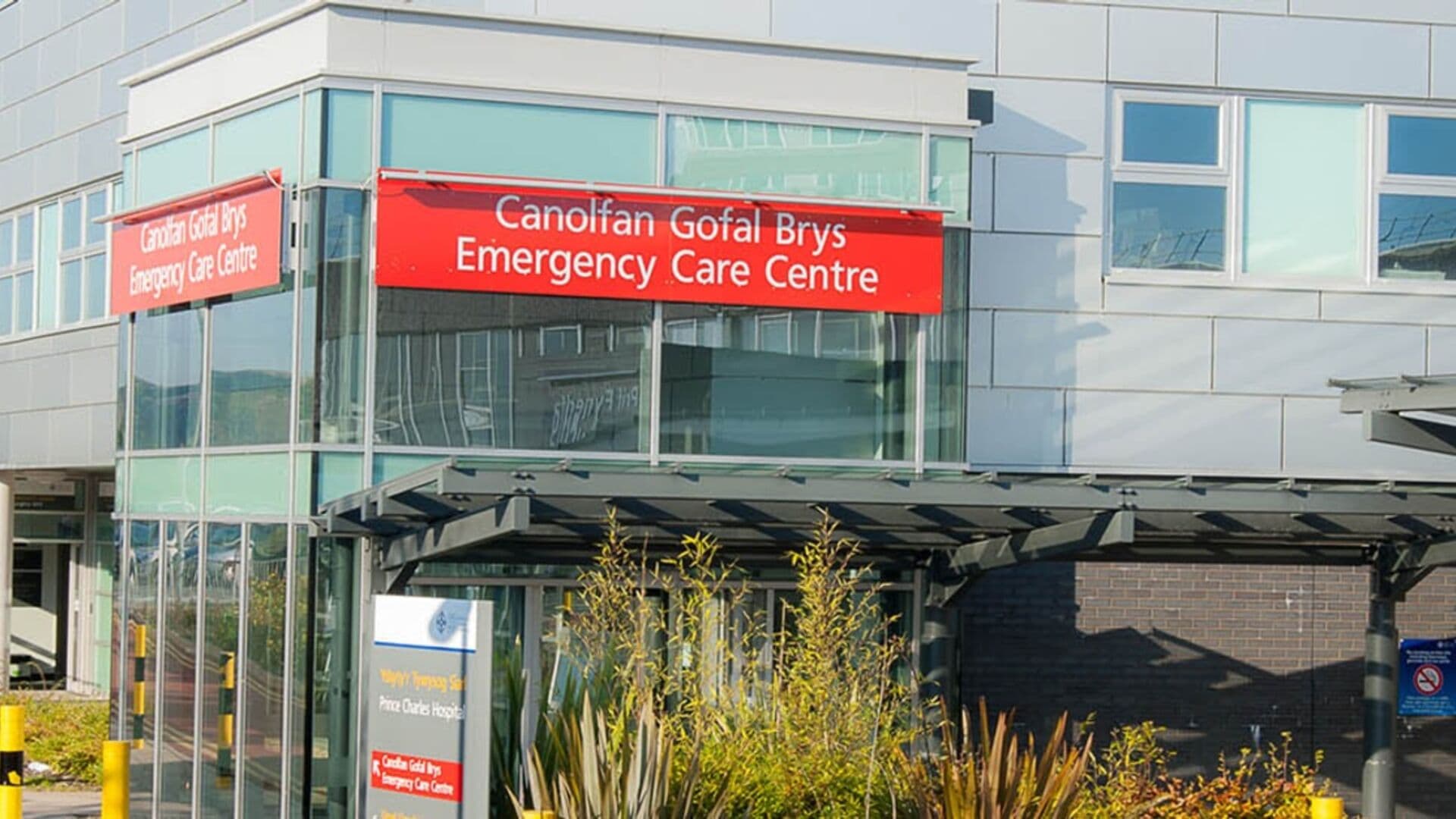
Heading straight to a major hospital emergency department is not always the fastest or most appropriate choice for non-life-threatening medical issues. When checking live a&e waiting times near me, users often discover that nearby Urgent Treatment Centres (UTCs) or Minor Injury Units (MIUs) maintain significantly shorter waiting queues for common injuries. Facilities like UTCs are equipped with diagnostic machinery and medical personnel capable of handling sprains, cuts, minor burns, and simple fractures in a fraction of the time required at full-scale emergency rooms.
To help you decide where to seek immediate medical attention, the table below compares the key operational differences across urgent care facilities:Selecting the right facility type significantly reduces personal waiting time while relieving pressure on major trauma centers designed for critical life-saving operations. Major emergency departments must prioritize severe trauma, meaning non-critical cases will naturally experience longer delays when critical patients arrive. By directing minor injuries to dedicated treatment centers, you benefit from swift, specialized care while allowing primary emergency departments to focus their resources on critical resuscitation efforts. Checking local options ensures you receive optimal medical care without enduring prolonged waiting room stays.
What Happens Upon Arrival at the Emergency Department
Navigating the hospital journey becomes significantly less stressful when you understand the exact operational steps involved upon arrival. The patient intake process follows a strict sequence engineered to safeguard patient health and maintain orderly queue management across the entire facility:
Check-In & Registration: Reception staff record your personal details, primary symptoms, and exact arrival time into the central electronic tracking system.
Clinical Triage Assessment: A trained triage nurse performs a rapid physical evaluation within 15 to 30 minutes to establish your clinical priority category.
Waiting Room Monitoring: Patients rest in the primary waiting area while clinical teams continuously monitor room safety and integrate incoming ambulance admissions.
Consultation & Diagnosis: An emergency physician or specialized practitioner conducts a full examination, orders diagnostic tests, and initiates treatment.
While waiting in the main department lobby, it is essential to remain attentive to your body and report any changes in your physical condition. Hospital waiting rooms are actively monitored environments where clinical priorities are adjusted if a patient’s symptoms deteriorate while waiting. Triage staff remain available to reassess individuals whose conditions change, ensuring safety throughout the entire waiting period. Understanding this structured workflow provides reassurance that medical personnel are continuously working behind the scenes to deliver thorough, prioritized medical care.
Practical Steps Before Leaving for the Hospital
Before embarking on your journey to an emergency facility, reviewing live a&e waiting times near me provides an ideal foundation for organizing your visit efficiently. Calculating total travel duration alongside active hospital queue length gives a realistic assessment of total time to care. This simple step prevents unnecessary travel across town when a slightly farther facility might actually offer a much shorter overall turnaround time. Taking a moment to plan strategically before leaving home ensures a smoother, less chaotic experience overall.
Preparing a small travel kit with critical personal essentials makes any potential waiting room stay significantly more manageable and comfortable. Pack necessary items including regular daily medications, personal identification, a mobile phone charger, a bottle of water, and light snacks. However, if symptoms indicate severe medical emergencies such as chest pressure, sudden numbness, or severe breathing distress, bypass travel planning completely and request emergency ambulance services immediately. Emergency transit ensures specialized clinical care begins the moment medical technicians arrive at your location.
Understanding Regional Live Wait Tracker Availability
Digital coverage for emergency queue tracking varies based on the specific health authorities and local trusts managing regional healthcare infrastructure. Many metropolitan areas publish comprehensive digital web portals that update automatically every few minutes, making it effortless to find live a&e waiting times near me with a simple internet search. These interactive maps provide comprehensive visual representations of local healthcare capacity, allowing users to compare multiple regional facilities at a single glance before deciding where to go.
In regions where public health trusts do not publish live digital wait boards directly online, utilizing official telephone or web assessment services bridges the operational gap. Contacting authorized health helplines connects you with professional medical advisors who evaluate your specific symptoms and direct you toward open facilities with lighter patient volumes. These advisory services can frequently book direct arrival appointments at local urgent treatment facilities, bypassing standard walk-in queues and ensuring you receive timely medical evaluation without unnecessary delays.
Key Takeaways for Urgent Care Planning
Leveraging real-time digital tracking dashboards equips individuals with the information required to navigate urgent medical situations effectively. Combining active wait-time tracking with an understanding of hospital triage systems eliminates guesswork, setting clear expectations and drastically reducing waiting room frustration. Knowing when to choose an urgent treatment centre over a primary emergency department ensures you receive prompt, tailored care while supporting the overall efficiency of the broader healthcare system during busy operating periods.
Ultimately, digital waiting trackers serve as valuable navigational guides for non-life-threatening urgent care needs. While online data helps streamline visits for minor injuries and sudden illnesses, severe medical emergencies must always take absolute priority. In critical situations where life or long-term health is at risk, proceed immediately to the nearest primary emergency department or call emergency services without delaying to check digital wait times. Balancing digital tools with sound medical judgment ensures safety and health always remain the top priority.
Frequently Asked Questions (FAQs)
How accurate are live A&E waiting time trackers?
Live trackers update every 5 to 15 minutes using direct hospital admission data and automated queue algorithms. However, because emergency departments prioritize critical life-threatening conditions, advertised waiting times can fluctuate rapidly if several severe emergency cases arrive simultaneously via ambulance.
Does the live wait time show when I will see a doctor?
Yes, published wait times typically reflect the estimated duration from initial registration at reception until seeing a doctor or advanced nurse practitioner. This estimate does not refer to the brief, initial triage screening performed shortly after arrival to assess medical urgency.
Can I call hospital reception directly to check the queue length?
Calling emergency reception desks directly is strongly discouraged, as administrative and clinical staff must keep telephone lines open for urgent operations. Checking live health trust websites, using mobile health apps, or contacting official regional helplines provides accurate information without disrupting hospital operations.
What should I do if my condition worsens in the waiting room?
Alert the triage nurse or reception desk immediately if your symptoms worsen while waiting. Clinical staff continuously reassess waiting room patients and will update your priority status to ensure you receive immediate medical attention if your health condition deteriorates.
Will calling an official helpline reduce my hospital wait time?
Calling a recognized health helpline allows trained professionals to evaluate your medical needs and direct you to the fastest appropriate facility. In many cases, helpline advisors can pre-book arrival slots at nearby Urgent Treatment Centres, saving you significant time compared to walking into a full emergency department.
You may also read: What Problems Can Cosmetic Bonding Teeth Fix?