Taking proactive care of your vision has never been easier or more accessible than it is today. Whether you are noticing mild blurriness while reading, suffering from occasional digital eye strain, or simply wanting a fast checkup, a free eye test provides a practical way to evaluate your visual clarity without spending a single penny. Modern advancements in digital telehealth alongside community outreach initiatives ensure that both online screening platforms and physical clinics make basic eye health monitoring universally available. Understanding all of your options allows you to make informed decisions about your eyes and take immediate action whenever subtle visual changes arise.
Navigating the landscape of modern eye care requires recognizing the unique advantages of both digital tools and traditional clinical visits. Quick browser-based evaluations offer immediate convenience from the comfort of your living room, while walk-in charitable centers and participating local opticians deliver thorough physical exams. By taking advantage of a preliminary free eye test, you can monitor your eyesight over time, determine whether your current prescription needs updating, and catch potential visual changes before they become major daily inconveniences. Investing a few minutes to evaluate your eyes today builds a solid foundation for long-term eye health and peace of mind.
How Online Free Eye Tests Work
Digital vision assessment platforms rely on precise calibration algorithms to transform your standard computer screen, tablet, or smartphone into a functional visual testing station. When you launch a browser-based free eye test, the software guides you through essential setup steps, such as measuring your exact physical distance from the monitor, adjusting display brightness, and eliminating ambient screen glare. Once properly calibrated, the tool prompts you to test each eye individually while displaying standardized optotypes, contrast shapes, or traditional Snellen letter charts. This digital setup creates a controlled environment that mimics basic clinical distance evaluations accurately.
Most online screening tools focus primary attention on measuring distance visual acuity, which determines how sharply you can distinguish fine details at a specific distance. Advanced web platforms also incorporate interactive modules for basic color perception, contrast sensitivity, and astigmatism grid tests to offer a broader picture of your visual acuity. While these web-based tests provide remarkable speed and preliminary insights, user compliance with setup instructions remains critical. Maintaining the recommended seating distance, keeping room lighting natural, and wearing or removing corrective lenses as directed directly impacts the reliability and consistency of your at-home test results.
Top Recommended Free Online Vision Screening Tools
Several world-renowned optical care organizations and digital health platforms offer fast home vision checks designed for seamless user experiences. Trusted platforms such as the ZEISS Online Vision Screening Check and Personal Eyes allow users to evaluate central visual sharpness across multiple distances within minutes. Meanwhile, health portals like Eye-Sight.org and Bupa Blua offer quick, interactive five-minute evaluations that check clarity, light contrast, and color perception. Using these reputable web platforms ensures that your preliminary screening follows recognized optical guidelines and yields helpful baseline metrics.
How to Access Free In-Person Eye Tests and Clinics
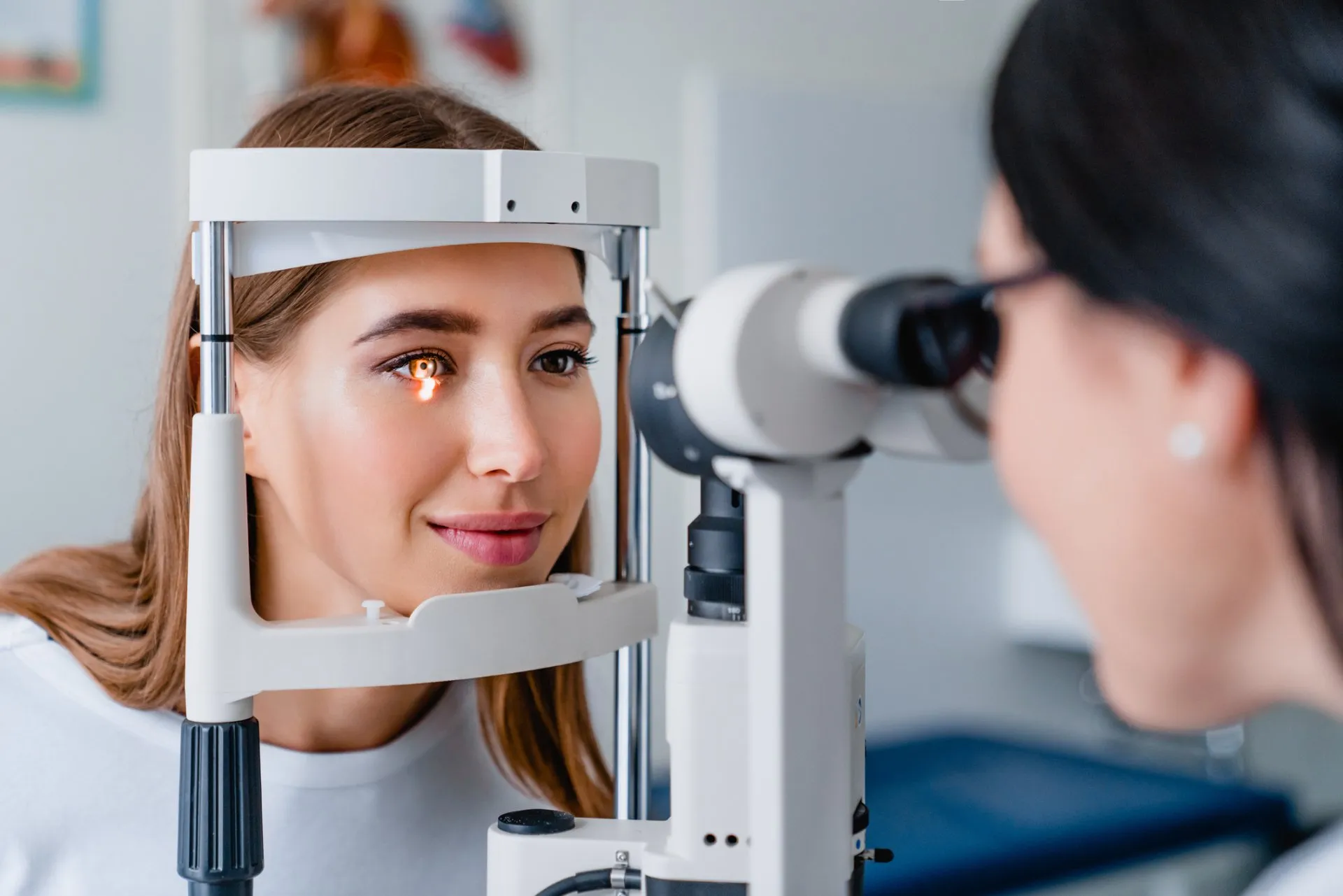
If you prefer a hands-on medical examination or require a physical checkup, locating an in-person free eye test through local community resources is surprisingly straightforward. Non-profit charitable health organizations and specialized eye foundations routinely host walk-in community clinics designed to serve individuals without comprehensive insurance coverage. Centers like LRBT Free Eye Care and ZMT Primary Healthcare networks provide completely zero-cost physical examinations, professional consultations, and subsidized corrective glasses to ensure that financial barriers never prevent anyone from accessing vital optical care.
Additionally, many commercial optical chains and local independent opticians host recurring promotional events offering a free eye test to walk-in patients. Participating retail stores frequently offer complimentary basic screenings that evaluate lens prescriptions, eye alignment, and basic intraocular pressure. Finding these opportunities typically requires checking local clinic event calendars or asking neighborhood optical shops about seasonal community health promotions. Taking advantage of these physical screening services gives you direct access to experienced technicians who can examine your eyes in person and guide your next steps.
Online Eye Screenings vs. In-Person Medical Exams
While a digital free eye test serves as a convenient tracking tool, users must clearly understand the fundamental differences between an online screening and a clinical diagnostic exam. Web tests evaluate visual acuity—meaning how well your eyes focus on distant or close text—but they cannot evaluate the underlying physical health of your eyes. In contrast, comprehensive clinical examinations utilize specialized diagnostic equipment, such as slit lamps, ophthalmoscopes, and tonometer devices, allowing eye doctors to inspect internal structures, assess optic nerve health, and measure fluid pressure inside the eyeball.Crucially, web-based tools cannot detect asymptomatic ocular conditions that develop silently without early visual warning signs, such as glaucoma, diabetic retinopathy, or macular degeneration. Skipping regular clinical exams in favor of digital apps alone leaves you vulnerable to unmonitored tissue changes that only an eye specialist can identify. If you experience persistent eye discomfort, sudden vision changes, dark spots, or unusual light flashes, skip at-home digital checks immediately and visit a qualified optometrist or ophthalmologist for a thorough, professional diagnostic exam.
Tips for Maintaining Healthy Eyesight Between Exams
Preserving long-term visual clarity requires combining routine checks with healthy daily habits that protect your eyes from chronic fatigue and environmental damage. Modern screen-heavy lifestyles subject our eyes to continuous accommodation stress, making proactive physical relief essential. Following the widely recommended 20-20-20 rule offers immediate protection: every 20 minutes spent looking at a digital monitor, pause to shift your gaze toward an object at least 20 feet away for 20 seconds. This simple habit relaxes the ciliary muscles inside your eyes, preventing severe screen fatigue and dry eyes.
In addition to resting your visual system, supporting internal ocular structures with proper nutrition and protective equipment makes a profound difference over time. Eating a balanced diet packed with Omega-3 fatty acids, lutein, zeaxanthin, and essential vitamins C and E strengthens retinal cells against oxidative stress. Furthermore, wearing polarized sunglasses that block 100% of UVA and UVB rays shields sensitive ocular tissues from solar damage whenever you are outdoors. Integrating these protective daily choices alongside a periodic free eye test creates a dependable routine that maintains crisp, clear vision for life.
Conclusion
Taking advantage of a free eye test—whether through a convenient digital tool or a local community health center—is one of the most effective ways to prioritize your visual well-being. Web-based screening options offer an easy, accessible way to monitor subtle acuity shifts from home, empowering you to stay informed about your daily vision needs. Meanwhile, physical visits to charitable eye clinics and local opticians provide the diagnostic depth required to safeguard your overall ocular health. By using online screening platforms for quick ongoing checks and scheduling regular in-person professional exams, you ensure that your sight remains sharp, comfortable, and well-protected for years to come.
Frequently Asked Questions (FAQs)
Can an online free eye test give me an accurate prescription for glasses?
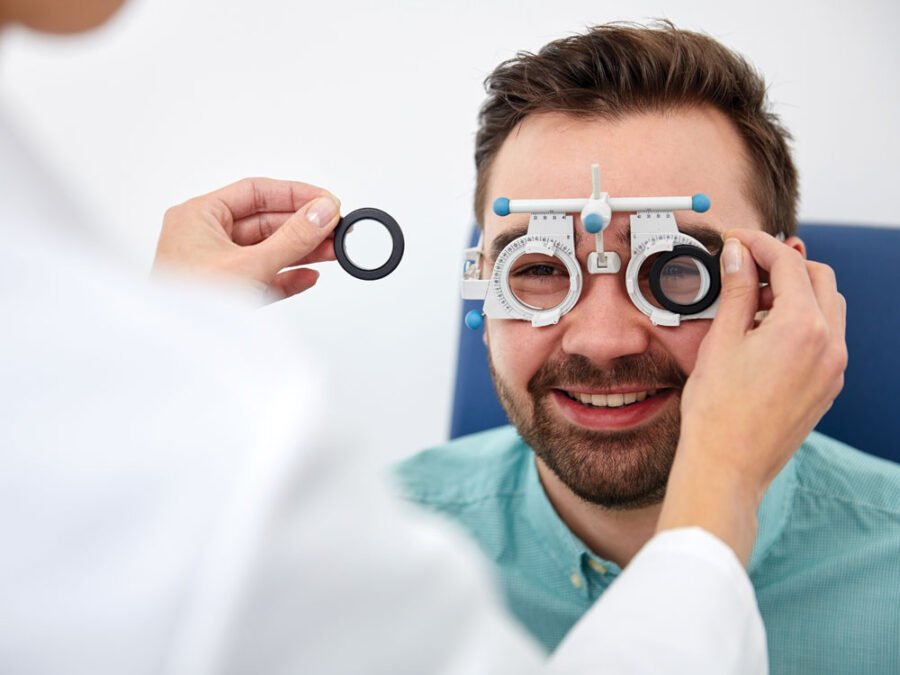
No, an online vision screening cannot generate an official prescription for corrective eyewear. Web platforms only estimate visual acuity and sharpness under specific monitor settings. Determining an accurate refraction prescription requires an in-person examination by a licensed optometrist or ophthalmologist using specialized diagnostic trial lenses and phoropters.
Are online free eye test tools accurate?
Online checks are generally reliable as preliminary indicators for detecting noticeable shifts in visual sharpness. However, external variables such as monitor brightness, glare, improper screen calibration, poor room lighting, and incorrect seating distance can sway the final outcome. They should always be viewed as screening aids rather than definitive medical evaluations.
How often should I get a full in-person eye examination?
Most optical health organizations advise scheduling a comprehensive clinical eye exam every 1 to 2 years. However, individuals with existing medical conditions like diabetes, those with family histories of eye disease, or adults over the age of 60 should seek annual physical examinations to catch age-related ocular shifts early.
Where can I find a walk-in free eye test near me?
You can discover free local screening services by contacting community health outreach centers, non-profit charitable medical organizations, or regional optical retailers. Many independent optical shops offer seasonal walk-in promotional screenings or free community health assessments throughout the year.
Is an online free eye test suitable for young children?
While basic visual acuity checking tools exist for young children, they are not a substitute for pediatric clinical eye exams. Children require professional evaluations to assess complex visual development factors such as binocular eye tracking, depth perception, spatial alignment, and lazy eye conditions that standard digital tests cannot evaluate.
You may also read: The Different Crawling Styles (And Why Any Style Counts)