Navigating the miraculous arrival of a newborn brings an overwhelming wave of immense joy, yet recovering from major abdominal surgery introduces unique and demanding physical realities. Every single c section scar tells a profound, deeply personal story of incredible strength, serving as a permanent yet fading physical testament to the incision made to safely deliver your precious baby into the world. While the emotional journey of motherhood begins instantly, truly understanding the intricate physical healing process is absolutely essential for your long-term well-being, peace of mind, and physical rehabilitation.
This comprehensive, expert-backed guide is meticulously designed to walk you through everything you need to know about navigating life with a c section scar. From understanding the specific biological types of surgical cuts to mastering advanced at-home care techniques and recognizing critical medical warning signs, we provide actionable, empathetic insights. By knowing precisely what to expect at each stage of your recovery, you can approach your postpartum healing journey with unwavering confidence, deep self-compassion, and absolute mental clarity.
Understanding C-Section Incisions and Types of Scars
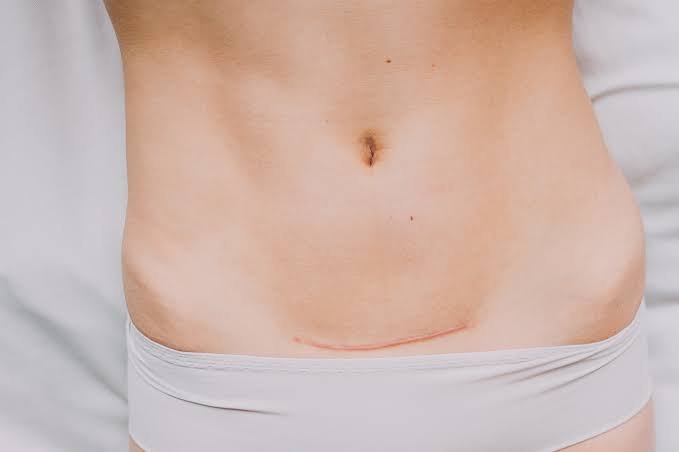
Surgical delivery involves highly specific incision techniques chosen by your obstetric medical team based on immediate clinical urgency, maternal anatomy, and fetal positioning needs. The absolute most common approach utilized in modern medicine is the horizontal or transverse cut, which is frequently and affectionately referred to as the bikini-line incision. This low abdominal cut typically measures four to six inches in length, heals remarkably well due to natural skin tension lines, and remains easily hidden beneath most types of everyday underwear or swimwear, offering a discreet aesthetic outcome.
In contrast, emergency situations requiring rapid delivery may necessitate a vertical or classic incision stretching dynamically from the navel down to the pubic bone. While this vertical approach is much less common in planned deliveries, individual biological factors like baseline genetics, natural skin elasticity, and individual surgical techniques ultimately influence how any c section scar matures over time. Recognizing your specific incision type helps you accurately anticipate its unique healing trajectory and prepare for long-term scar management strategies tailored specifically to your body.
The C-Section Scar Healing Timeline and Biological Stages
The remarkable biological journey of a c section scar spans multiple distinct physiological phases, requiring immense patience and grace from your recovering body. During the initial inflammatory phase, which typically spans days one through five post-surgery, you will experience completely normal swelling, mild redness, and acute tenderness around the surgical site as early blood clotting and protective immune responses occur. This phase is intense, but it represents the body’s vital first step toward sealing the wounded tissue and protecting against external pathogens.
As you steadily progress into the proliferative phase during weeks two through four, your body actively synthesizes collagen and rapidly forms new microscopic blood vessels to close the tissue gap. Finally, the extensive remodeling phase begins, lasting anywhere from two months to a full year or even longer. During this prolonged, quiet period, your c section scar gradually flattens, softens, loses its initial angry purple or pink pigmentation, and fades into a smooth, barely noticeable line that blends harmoniously with your natural skin tone.
Proper Care and Hygiene Management at Home
Maintaining immaculate hygiene is the absolute cornerstone of effective at-home recovery and successful infection prevention during the early postpartum weeks. Always keep the incision area impeccably clean and dry by washing it very gently with mild, unscented soap and warm water, followed by careful, thorough patting with a soft, clean towel. You must strictly avoid harsh scrubbing, aggressive rubbing, or submerging the surgical area in a bathtub or swimming pool until your healthcare provider gives you explicit, written approval to do so.
Physical restrictions and lifestyle adjustments play an equally vital role during this delicate early healing window. You must strictly avoid heavy lifting—defined as anything heavier than your newborn baby—alongside strenuous exercise, intense core workouts, and driving during the initial weeks of recovery. Once your doctor officially clears you at your postpartum checkup, incorporating gentle scar massage or applying specialized silicone sheets can significantly improve the tissue texture and final appearance of your healing mark.
Potential Complications and When to See a Doctor
While the vast majority of postpartum recoveries proceed smoothly and without incident, staying deeply vigilant for potential complications ensures your ongoing health and safety. Normal healing involves gradual fading and manageable, diminishing discomfort, but abnormal tissue responses like hypertrophic scars, keloids, or localized bacterial infections require prompt medical evaluation. Knowing when to seek professional medical intervention protects your health and gives you absolute peace of mind during a vulnerable time.
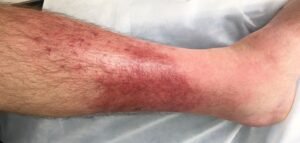
Contact a healthcare provider immediately if you notice severe, worsening pain, spreading redness, localized warmth, or abnormal swelling around the incision cut. Additionally, any presence of pus, foul-smelling discharge, a persistent high fever, or sudden chills represent critical medical red flags that require urgent attention. Never hesitate to reach out to your OB-GYN or postpartum care team whenever something feels unusual, painful, or concerning during your recovery.
Conclusion and Final Thoughts on Postpartum Healing
Embracing your postpartum recovery requires an abundance of grace, deep patience, and a profound appreciation for what your incredible body has accomplished. While a c section scar may initially begin as a vivid, tender reminder of major surgery, it naturally softens, flattens, and fades significantly over the course of the year. By adhering to proper hygiene routines, listening closely to your physical limits, and maintaining open communication with your medical professionals, you lay a solid foundation for a healthy recovery.
Ultimately, your surgical mark is not a flaw, but rather a permanent symbol of maternal strength and resilience. Every milestone you cross brings you closer to feeling fully like yourself again, allowing you to focus completely on raising your little one. Trust the natural healing timeline, honor your body’s incredible capacity to repair itself, and remember that seeking support when needed is a powerful act of self-care.
Frequently Asked Questions
How long does a C-section scar take to fully heal?
While the outer layer of skin typically heals within six to eight weeks, full internal healing and structural tissue remodeling can take anywhere from twelve months up to two years. The scar continues to fade, flatten, and soften long after the initial surgical stitches have dissolved and external closure is complete.
Can I do anything to make my C-section scar fade faster?
Yes, there are several clinically proven methods to improve scar appearance. Once your doctor gives you the green light—usually after your six-week postpartum visit—gentle scar massage helps break down excess collagen fibers. Additionally, using medical-grade silicone sheets or topical silicone gels can significantly improve texture, hydration, and color over time.
What causes a shelf or overhang above a C-section scar?
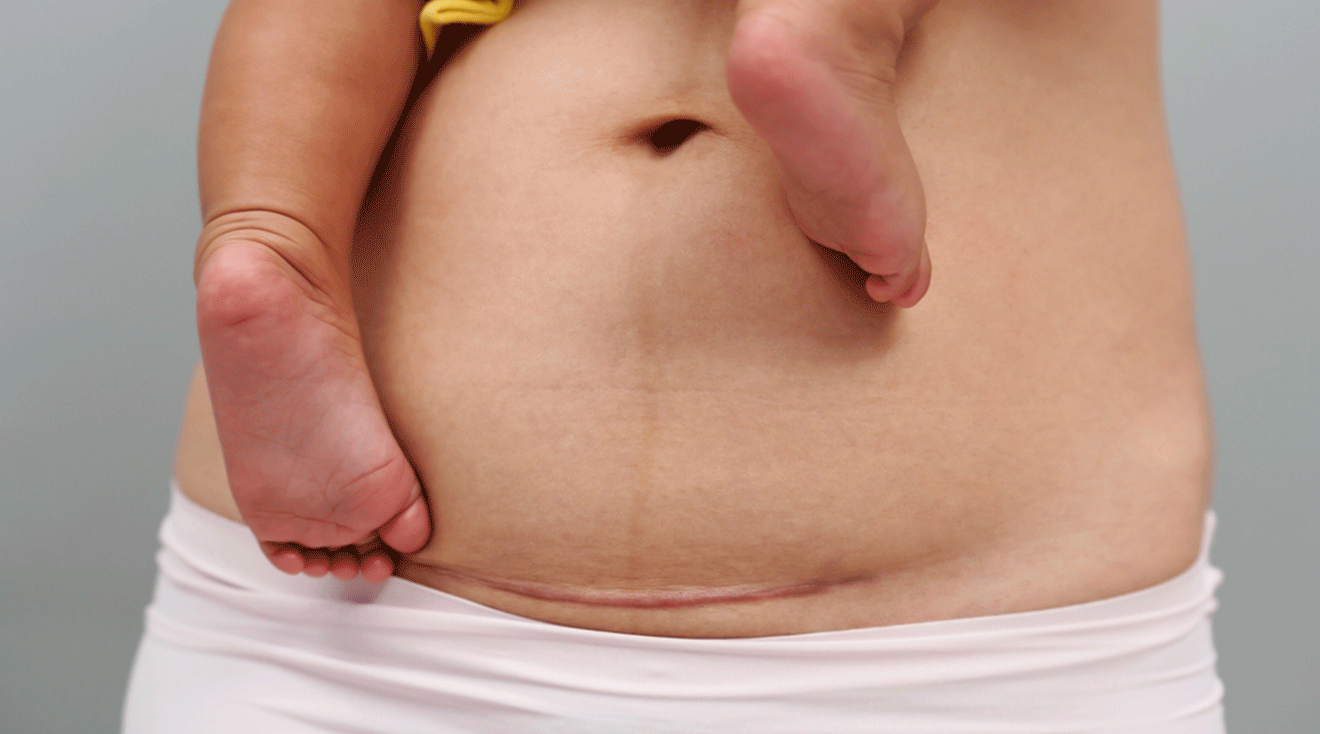
A shelf or overhang can form due to normal post-pregnancy swelling, fluid retention, or the way the skin and underlying fascial tissues adhere and heal together during the remodeling phase. Gentle abdominal movement, proper postpartum physical therapy, and consistent scar massage can sometimes help minimize the appearance of this shelf.
When is it safe to start exercising after a C-section?
You should strictly avoid strenuous exercise, intense core workouts, and heavy lifting (anything heavier than your baby) during the early recovery period. Always consult your healthcare provider at your six-week postpartum checkup before resuming any physical workout routine to ensure your internal tissues have healed sufficiently.
What are the signs of an infected C-section scar?
Signs of a potential incision infection include severe or rapidly worsening pain, spreading redness, localized warmth or swelling around the cut, pus or foul-smelling drainage, and systemic symptoms like a fever or chills. Contact your healthcare provider immediately if you observe any of these warning signs.
You may also read: Essential Sun Safety Tips and Protection Guidelines