Alpine skiing icon Lindsey Vonn captivated sports enthusiasts worldwide by emerging from retirement at age 41 to compete at the Milano-Cortina 2026 Winter Olympics. Driven by an unyielding competitive passion and an impressive career resume, the three-time Olympic medalist sought to author one final historic achievement on downhill skiing’s grandest stage. However, her return to top-tier competition was immediately shadowed by severe physical adversity leading right up to the main event in Cortina d’Ampezzo.
Just nine days before the marquee Olympic downhill race, Vonn suffered a high-speed fall during a World Cup event in Crans-Montana, completely rupturing her left anterior cruciate ligament. Undeterred by the severe structural knee trauma, she underwent round-the-clock physical therapy, passed mandatory medical clearances, and bravely lined up at the Tofane Alpine Skiing Centre on February 8, 2026. Tragically, her ambitious pursuit ended in heartbreak when a violent Lindsey Vonn crash occurred mere seconds into her run, stunning the global athletic community.
Breakdown of the High-Speed Olympic Incident
The legendary Olympic downhill course in Cortina d’Ampezzo is celebrated globally for demanding incredible velocity, extreme precision, and uncompromised focus from every competitor. Bursting out of the starting hut with fierce intensity, Vonn aggressively attacked the top technical section, carrying immense speed through the opening turns despite her compromised left knee. She pushed her body to the absolute limit to maintain an aggressive racing line that could contend for an Olympic medal.
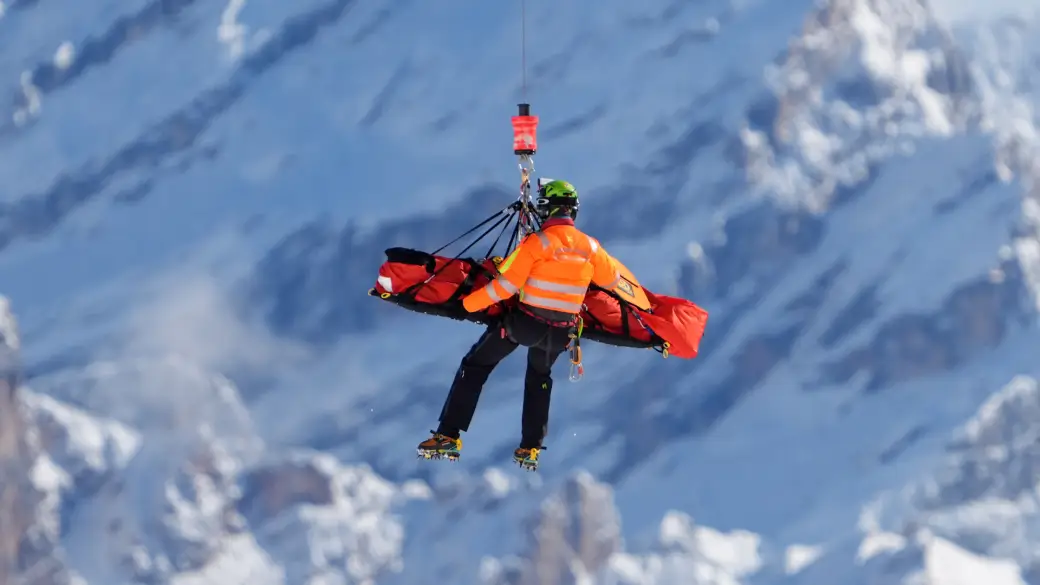
Roughly thirteen seconds into her descent, Vonn took off over a prominent jump at high velocity. Straying just five inches inside her intended flight trajectory, her right ski pole clipped the inside of a course gate upon landing. The immediate lever action twisted her body violently mid-air, causing her to lose balance and crash heavily into the hard-packed snow. The Lindsey Vonn crash forced race officials to halt competition for over ten minutes while emergency medical personnel stabilized her trackside before airlifting her by helicopter to Ca’ Foncello Hospital in Treviso.
Comprehensive Medical Diagnosis and Severe Trauma
The physical devastation resulting from the Lindsey Vonn crash extended far beyond conventional orthopedic injuries typically witnessed in professional alpine racing. Diagnostic imaging performed at the trauma unit in Italy revealed multiple severe fractures throughout her left lower extremity, highlighting the extreme force of the impact. The sudden rotational force combined with high-speed momentum had inflicted profound structural damage to both bone structures and surrounding connective tissues.
Surgeons identified a complex tibia fracture alongside significant tibial plateau and fibular head fractures, which severely compromised the structural integrity of her knee and lower leg. Furthermore, she sustained a secondary right ankle fracture during the violent tumble, compounding her immobility. Most critically, the extreme internal blunt trauma triggered acute compartment syndrome in her lower left leg, a life-threatening vascular emergency caused by dangerous pressure buildup that threatened irreversible tissue necrosis and potential limb amputation.
Emergency Surgical Interventions and Reconstructive Procedures

Faced with the imminent threat of permanent nerve damage and limb loss from compartment syndrome following the Lindsey Vonn crash, the trauma surgical team in Italy acted immediately. Doctors performed an emergency fasciotomy, making long surgical incisions through the tough fibrous fascia of her lower leg to release built-up fluid pressure and restore vital arterial blood circulation. This timely surgical intervention successfully saved her leg before secondary complications could develop.
After spending two weeks stabilized in Treviso, Vonn was cleared for transatlantic medical transport back to the United States for extensive reconstructive operations. In Colorado, elite orthopedic specialists performed a intricate six-hour Open Reduction and Internal Fixation procedure. Surgeons utilized extensive titanium plates, surgical rods, and heavy screws to meticulously realign and stabilize her shattered tibia, rebuilding the skeletal foundation needed for any future physical rehabilitation.
The Road to Recovery and Rehabilitation Milestones
Following her exhaustive surgical procedures, Vonn endured roughly three and a half months of absolute non-weight-bearing confinement, relying entirely on a wheelchair and specialized crutches for daily mobility. Despite enduring persistent physical discomfort and managing a fractured right ankle alongside her reconstructed left leg, she demonstrated extraordinary mental fortitude by committing to rigorous daily physical therapy sessions aimed at regaining basic muscle activation.
By August 2026, Vonn had achieved remarkable recovery milestones that surpassed initial medical expectations. She successfully transitioned from mobility aids to unassisted walking, incorporated light bodyweight squats into her gym routine, and initiated low-impact cardiovascular conditioning through road cycling and paddleboarding. Although her progress is inspiring, her surgical journey remains ongoing, with planned late-2026 operations scheduled to remove permanent titanium hardware and complete a delayed reconstruction of her ruptured ACL.
Athlete Perspective and Public Reaction
Throughout this grueling physical ordeal, Vonn maintained remarkably candid communication with her global audience regarding her emotional resilience and physical healing journey. Reaffirming that she harbors absolutely no regrets about taking the start gate in Cortina d’Ampezzo, she publicly stated that she would always prefer to push her limits and risk failure rather than live with the lingering wonder of unfulfilled potential.
Her courage and vulnerability resonated deeply across the international sports community, drawing overwhelming praise from fellow Olympic athletes, medical professionals, and sports analysts worldwide. While public debate continues regarding whether the catastrophic Lindsey Vonn crash officially marks the final chapter of her legendary competitive career, Vonn remains singularly focused on achieving complete physical recovery before evaluating any future involvement in professional alpine skiing.
Final Thoughts on a Heroic Journey
The tragic Lindsey Vonn crash at the Milano-Cortina 2026 Winter Olympics remains one of the most dramatic and emotionally charged moments in modern athletic history. From enduring a terrifying, limb-threatening medical crisis in Italy to walking independently and riding bicycles just months later, Vonn continues to exemplify the extraordinary grit that defined her championship legacy. Her ongoing rehabilitation stands as a powerful testament to human resilience, determination, and unyielding athletic bravery.
Frequently Asked Questions
What caused the Lindsey Vonn crash at the 2026 Winter Olympics?
Lindsey Vonn lost control approximately thirteen seconds into her downhill run after her right ski pole hooked the inside of a gate upon landing a high-speed jump. The contact twisted her body in mid-air, causing a heavy tumble onto the hard-packed snow slope in Cortina d’Ampezzo.
What specific injuries did Lindsey Vonn sustain during the incident?
Vonn suffered a complex left tibia fracture, tibial plateau fracture, fibular head fracture, a broken right ankle, and severe internal swelling leading to acute compartment syndrome. These injuries occurred in addition to a left ACL tear sustained nine days prior to the Olympic event.
Why was the Lindsey Vonn crash considered a medical emergency?
The violent impact caused acute compartment syndrome, a dangerous condition where trapped internal bleeding and muscle swelling restrict blood circulation. Without the rapid emergency fasciotomy surgery performed in Italy, the lack of blood flow could have caused permanent tissue death and required limb amputation.
How many surgeries has Lindsey Vonn undergone since her crash?
Vonn underwent five extensive emergency and reconstructive surgical procedures across medical facilities in Italy and Colorado during her initial recovery phase. She is scheduled for additional procedures in late 2026 to extract metal hardware and perform a delayed reconstruction of her torn left ACL ligament.
Is Lindsey Vonn able to walk independently now?
Yes, after spending more than three months relying on a wheelchair and crutches, Vonn successfully progressed to unassisted walking. She actively shares updates of her physical conditioning, which includes road cycling, light gym exercises, and targeted strength rehabilitation designed to restore full leg mobility.
You may also read: Free Soul Greens: Decoding the 2026 Daily Wellness and Superfood Phenomenon