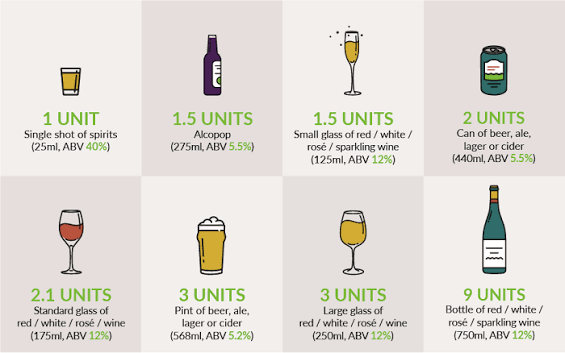
Navigating pub culture, social gatherings, and casual evening drinks often brings up an essential question regarding conscious consumption: how many units in a pint of beer? Monitoring your daily or weekly alcohol intake is vital for supporting long-term health, maintaining personal safety, and avoiding the unpleasant physical consequences of overindulgence. Because brewing styles vary drastically across modern taps—ranging from light session lagers to heavy imperial stouts—knowing the precise strength of your chosen brew helps you make smarter, more deliberate choices every time you order a drink.
The straightforward answer is that a standard British Imperial pint of average-strength beer contains approximately 2.3 units of pure alcohol. However, alcohol by volume (ABV) varies significantly across different beer styles, meaning two identical glasses can contain drastically different amounts of alcohol. Fully grasping how many units in a pint of beer requires looking closely at both total liquid volume and percentage strength. This comprehensive guide breaks down exact mathematical formulas, style-by-style unit comparisons, weekly health guidelines, and practical tracking methods to keep you fully informed.
What Is an Alcohol Unit? (UK Standards Explained)
To accurately measure alcohol consumption across various types of drinks, health organizations rely on a standardized measurement known as an alcohol unit. In the United Kingdom, one single unit represents exactly 10 milliliters (or 8 grams) of pure ethanol. This universal benchmark allows consumers to evaluate distinct beverage types on an equal playing field, regardless of whether they prefer spirits, wine, or draught ale. Consequently, evaluating how many units in a pint of beer becomes much simpler when comparing a glass against a standard shot or glass of wine.
Glass sizes and total fluid volumes play a primary role when calculating overall alcohol consumption during a night out. A traditional UK Imperial pint measures exactly 568 milliliters, which is noticeably larger than standard American pints (473 ml) or standard canned beers (330 ml or 440 ml). Because imperial glass sizes are generous, drinking a full pint delivers a higher concentration of alcohol per serving than most pre-packaged options found on supermarket shelves. Understanding these volume differences is essential for maintaining control over your daily intake.
Calculation Formula: How to Determine Units in Any Pint
Calculating the exact numerical unit content of your drink does not require advanced mathematical skills or specialized apps. The standard official formula used by global health authorities multiplies the total liquid volume in milliliters by the alcohol percentage strength, dividing the resulting figure by one thousand. When asking how many units in a pint of beer, applying this exact mathematical equation gives you an immediate, highly reliable result every single time you pour or order a drink.
For instance, consider a classic British pint measuring 568 ml with a standard 5% alcohol content by volume. Multiplying 568 by 5 gives a subtotal of 2,840, which yields exactly 2.84 units after dividing by 1,000. Knowing this fundamental equation empowers you to calculate units instantly at any bar counter, ensuring you maintain precise control over your consumption regardless of changing draught menus or unfamiliar craft offerings.
ABV & Style Breakdown: Units by Beer Category
Light and session beers typically feature an ABV ranging between 3.0% and 3.8%. Traditional session ales, light lagers, and lower-gravity bitters in this bracket deliver between 1.7 and 2.1 units per pint. These milder styles remain ideal choices for extended social gatherings where moderate consumption is preferred, allowing pub-goers to enjoy the atmosphere without accumulating excessive amounts of alcohol over the course of an afternoon.
Standard-strength beers generally sit between 4.0% and 4.5% ABV on modern pub taps. Classic commercial draught lagers, popular stouts like Guinness, and standard pale ales fit squarely into this category, delivering roughly 2.3 to 2.6 units per pint. This specific range represents the baseline national benchmark most drinkers reference when discussing standard units during everyday pub visits or weekend social events.
Premium draughts and stronger export brews usually range from 5.0% to 5.5% ABV. European export lagers, premium pilsners, heavy stouts, and aromatic pale ales contain about 2.8 to 3.1 units per pint. Consuming just two pints within this higher strength bracket brings an adult close to half of their typical weekly recommended allowance, making mindful pacing especially important when enjoying these richer styles.
Craft specialty brews and double IPAs regularly push alcohol concentrations between 6.0% and 8.0% ABV or even higher. Modern craft IPAs, double-hopped ales, and Imperial stouts can easily range from 3.4 to over 4.5 units in a single pint glass. Because of their intense potency, these craft specialties accumulate units rapidly compared to lighter traditional ales, requiring drinkers to adjust their volume expectations accordingly.
Weekly Guidelines: Recommended Health Limits and Pints
Major national health organizations explicitly advise maintaining moderate drinking habits to protect long-term physical wellness and mental clarity. Official medical guidelines state that adults should not regularly exceed 14 units of alcohol per week. When figuring out how many units in a pint of beer fit within those established health parameters, six standard pints of 4% lager equal your entire weekly recommended intake limit.
If you prefer stronger draught options, that 14-unit maximum threshold is reached much faster than you might initially anticipate. Consuming five pints of 5% premium lager or just three and a half pints of a strong 7% craft IPA hits the maximum weekly allowance. To minimize long-term health risks, guidelines strongly advise spreading your consumption across three or more days while including several completely alcohol-free days every single week.
Processing Times: How Fast the Body Clears Beer Units
Understanding how the human body metabolizes ethanol is crucial for maintaining personal safety and avoiding unexpected physical impairment. On average, a healthy human liver processes approximately one single unit of alcohol per hour. Therefore, when calculating how many units in a pint of beer you have consumed, a standard 2.3-unit pint of 4% lager takes roughly two and a half hours to clear entirely from your bloodstream.
Individual metabolic rates vary widely based on biological factors including body weight, age, biological sex, general liver health, and whether you consumed food alongside your beverage. Eating a substantial meal before drinking significantly slows down gastrointestinal absorption rates, whereas drinking on an empty stomach accelerates alcohol entering the bloodstream. Always allow ample time for complete processing before attempting to drive, operate machinery, or handle critical responsibilities.
Tracking Tips: Managing Your Intake Effortlessly
Keeping accurate track of your alcohol intake in modern social venues is easier and more convenient than ever before. Licensed pubs, bars, and restaurants are legally required to list product strength clearly on tap badges, bottle labels, and drink menus. Getting into the routine habit of checking the listed ABV percentage before ordering allows you to calculate units in advance and opt for lighter styles whenever necessary.
Modern digital tools provide exceptional convenience for conscious drinkers looking to establish healthier long-term habits. Installing dedicated unit-tracking mobile apps or utilizing online calculators enables you to log drinks effortlessly throughout an evening out with friends. Furthermore, exploring delicious mid-strength session brews or high-quality non-alcoholic craft alternatives (0.5% ABV or lower) offers a fantastic way to enjoy social events while keeping total unit counts minimal.
Conclusion: Staying Informed and Drinking Responsibly
Gaining a thorough understanding of alcohol measurements transforms the way you approach casual drinking and public social events. By learning how liquid volume and ABV percentage interact mathematically, you can make empowered, healthy decisions without sacrificing the fun of a trip to the pub. Remembering how strength differences impact overall unit counts ensures you always remain fully in control of your intake, regardless of what is on tap.
Ultimately, maintaining balanced drinking habits relies on staying mindful of beverage strength and remaining within established health guidelines. Whether you prefer traditional light session ales or potent modern craft brews, asking how many units in a pint of beer provides the exact knowledge needed to drink responsibly, protect your personal well-being, and enjoy your favorite brews safely.
Frequently Asked Questions (FAQs)
How many units are in a pint of 4% beer?
A standard British Imperial pint (568 ml) of 4% ABV beer contains exactly 2.3 units of alcohol.
How many units are in a pint of 5% lager?
A pint of 5% ABV lager contains 2.84 units (frequently rounded to 2.8 units) of pure alcohol.
How many pints of beer equal 14 units?
Fourteen units equal roughly 6 pints of standard 4% lager, 5 pints of premium 5% beer, or 3.5 pints of strong 7% craft IPA.
How many units are in a pint of Guinness?
Standard draught Guinness generally sits at 4.2% ABV, which equals approximately 2.4 units per Imperial pint.
Is a bottle of beer equal to a pint?
No. Standard UK beer bottles are usually 330 ml or 500 ml, whereas a full British Imperial pint is 568 ml. A 330 ml bottle of 5% beer contains roughly 1.65 units, compared to 2.84 units in a full pint of the exact same strength.
You may also read: BHF Furniture & Electrical Stores: Buying & Free Home Collection