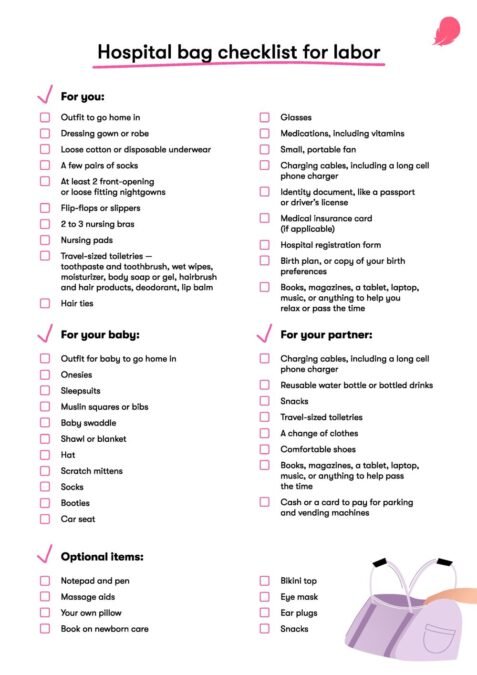
Preparing for labor and delivery represents one of the most exciting milestones of your pregnancy journey, yet it often brings a overwhelming wave of questions regarding what to bring to the birth facility. Bringing a thoroughly prepared hospital bag checklist to completion by your 36th week of pregnancy provides invaluable peace of mind, allowing you to transition into active labor without the chaotic stress of last-minute packing. When your nursery items are organized and your travel gear is staged near the front door, you can focus entirely on your mental readiness, breathing techniques, and the exciting arrival of your new baby.
A structured hospital bag checklist serves as your personal strategy guide to balance genuine physical necessity with everyday comforting luxuries. Expectant parents frequently fall into the trap of overpacking heavy luggage with unnecessary gadgets and multiple wardrobe changes that remain untouched throughout their stay. By taking a streamlined approach, you ensure that every item packed serves a clear purpose—whether supporting your physical body during intense contractions, nurturing your newborn during those initial skin-to-skin bonding hours, or maintaining the energy of your supportive birth partner.
Important Documents and Administrative Essentials
Before gathering cozy apparel or personal care items, your primary focus should be assembling all mandatory administrative paperwork into a secure, easily accessible folder. Place your government-issued photo identification, updated health insurance cards, hospital pre-registration forms, and emergency contact details right at the top of your bag. Having these vital records instantly accessible prevents delays during room admission, allowing the administrative staff to process your file swiftly while clinical nurses attend directly to your physical comfort and labor progression.
Alongside your personal identification, include multiple printed copies of your personalized birth plan and antenatal medical files. Because medical personnel work in rotating shifts throughout the day and night, physical copies of your birth preferences enable arriving nurses and attending obstetricians to review your wishes regarding pain management, movement during labor, and immediate umbilical cord care. Keeping these records organized guarantees clear communication with your medical team, ensuring that your care preferences are understood and honored even during rapid shift changes.
Hospital Bag Checklist for Mom
Your personal packing list should focus heavily on physical comfort, rapid body temperature regulation, and easy access for clinical checks. Choose two to three loose, highly breathable nightgowns or oversized button-down shirts, alongside a cozy robe, thick non-skid socks, and easy-to-clean shower slides. Front-opening garments make nursing access and early skin-to-skin contact smooth and natural, while dark-colored fabrics eliminate worry over inevitable post-birth spotting. Prioritizing soft, unrestrictive clothing ensures that routine medical examinations during labor and post-delivery monitoring remain entirely hassle-free.
Postpartum physical recovery requires dedicated hygiene items designed to soothe sensitive tissues and support bodily healing. Your targeted hospital bag checklist must include high-waisted briefs or soft disposable mesh underwear, heavy-duty maternity pads, cooling perineal pads, and supportive, wire-free nursing bras with absorbent breast pads. Packing gentle travel-sized toiletries, hydrating lip balm, a soothing face mist, and an extra-long phone charging cable will keep you feeling refreshed, connected, and fully supported as your body begins its essential healing process after delivery.
Hospital Bag Checklist for Baby
.jpg "Hospital Bag Checklist")
Selecting clothing and supplies for your newborn is undoubtedly one of the most heartwarming parts of preparing for delivery day. Your baby packing list requires three to four soft organic cotton sleepers or kimono-style onesies, scratch mittens, soft socks, and cozy newborn hats to assist with body temperature regulation. Because predicting exact birth weight is impossible before delivery, smart parents always pack outfits in both newborn and 0–3 month sizes to ensure a comfortable, proper fit regardless of your baby’s initial measurements.
Beyond soft daily clothing, assemble gentle swaddling wraps, receiving blankets, and absorbent burp cloths to handle feeding spit-ups and keep your baby snug during nursery rests. The absolute most critical item on your overall hospital bag checklist for the infant is a safety-tested, age-appropriate infant car seat. Hospital discharge policies strictly mandate that your car seat must be properly installed in your vehicle before you step out of the facility, making early installation and practice runs essential long before your due date arrives.
Hospital Bag Checklist for Dad and Support Person
The birth partner plays a dynamic, demanding role throughout labor and recovery, which means their comfort requires equal focus when packing your gear. Dads and support partners should pack two to three complete changes of comfortable, layerable clothing, supportive walking shoes for pacing hospital corridors, and basic personal grooming supplies. Because hospital rooms frequently drop to cool temperatures overnight, bringing a personal travel pillow and a warm throw blanket ensures the support person receives adequate rest during slow labor hours.
Maintaining high energy and mental stamina throughout an extended labor requires ongoing hydration and continuous nutrition for your birth partner. Prepare a dedicated snack bag filled with protein-rich foods, trail mix, energy bars, dried fruit, reusable water bottles, and cash for cafeteria purchases or vending machines. Equipping your support partner with long charging cables, portable battery packs, and entertainment devices guarantees they remain energized, focused, and ready to capture those unforgettable initial family photographs when your baby arrives.
What to Pack for Specialized Delivery Scenarios
If you are scheduling a planned C-section or preparing for potential surgical intervention, your packing strategy benefits from a few targeted modifications. Prioritize exceptionally high-waisted, loose-fitting cotton underwear or mesh pants that rest well above your lower abdominal incision line to eliminate painful friction. Additionally, packing an adjustable abdominal support binder, high-waisted lounge pants, and supportive slip-on shoes helps stabilize your core muscles and facilitates safer, more comfortable movement when nurses encourage gentle walking during post-surgery recovery.
Because surgical deliveries or unexpected medical observations often require a multi-day hospital stay, building flexible contingency options into your packing routine is highly recommended. Keep a secondary, pre-packed duffel bag staged at home containing extra wardrobe changes, additional toiletries, and extra infant outfits. Your support person can easily retrieve this backup stash if your medical team advises extending your stay, allowing you to focus completely on rest and recovery without running short on essential supplies.
Items You Can Safely Leave at Home
Knowing what to exclude from your luggage is just as important as knowing what to pack when aiming for a streamlined, organized stay. Most modern hospital maternity units provide basic post-birth care supplies, including initial newborn diapers, infant wipes, standard maternity pads, formula samples, and simple baby shirts. Relying on the facility’s inventory for basic daily supplies frees up valuable space in your luggage and keeps your room neat, organized, and free from unnecessary clutter.
To ensure your belongings remain safe, deliberately leave high-value jewelry, excessive cash, bulky electronics, and complex full-sized baby wardrobes at home. Hospital rooms feature constant clinical traffic from doctors, nurses, and support staff, making it easy for small personal items to be misplaced. Restricting your packing list strictly to essential documents, personal hygiene items, recovery garments, and newborn going-home attire allows you to focus your attention entirely on rest, recovery, and early bonding.
Conclusion
Completing your hospital bag checklist well in advance of your estimated due date offers profound physical relief and mental clarity during the final weeks of pregnancy. Staging your primary luggage near your front entrance or storing it directly inside your vehicle trunk by week 36 ensures that you are fully equipped for labor, regardless of when your baby chooses to make their entrance into the world.
Remember that while comfortable items, personal snacks, and soft clothing significantly enhance your hospital stay, your essential requirements are actually very simple. As long as you possess your medical paperwork, legal identification, an approved infant car seat, and a warm going-home outfit for your newborn, you have everything necessary for a safe delivery. Trust your preparation, lean on your support team, and embrace the extraordinary experience of welcoming your new baby into your family.
Frequently Asked Questions (FAQs)
When is the exact best time to pack my hospital bag?
You should have your hospital bag fully packed and staged by week 36 of your pregnancy. Because active labor can begin unexpectedly before your official due date, completing your packing early eliminates last-minute stress, allowing you to leave for the hospital smoothly at the very first signs of labor.
Will the hospital supply diapers and post-birth pads?
Yes, the vast majority of hospital maternity wards provide basic newborn diapers, wipes, generic receiving blankets, and standard-issue post-birth maternity pads during your stay. However, packing your own preferred brands of postpartum underwear, soothing sprays, or organic baby wipes ensures higher personal comfort during your recovery hours.
What clothes should I wear for the trip home from the hospital?
Plan to wear soft, loose-fitting, highly flexible clothing such as maternity leggings, high-waisted joggers, or a loose maxi dress. Your body will still require time to recover, meaning you will likely feel most comfortable in clothes sized for around your mid-pregnancy month.
What unique additions belong on a C-section packing list?
For a C-section stay, focus on packing extra-high-waisted underwear that sits well above your abdominal incision, loose nightgowns or dresses that exert zero pressure on your stomach, an abdominal recovery binder for core support, and easy slip-on shoes to avoid bending over after surgery.
How many outfits should I pack for my newborn baby?
It is best to pack three to four newborn sleepers or onesies. Always include a balanced mix of both newborn and 0–3 month sizes so you have suitable clothing options regardless of your newborn’s exact birth weight and length.
You may also read: Simple and Effective Relief Tips for Daily Comfort