Tracking your overall alcohol intake can quickly become an overwhelming guessing game, especially when managing varying alcohol percentages, generous pour sizes, and distinct bottle dimensions. Whether you are hosting an elegant dinner party, trying to hit personal fitness goals, or simply looking over global health guidelines, wondering how many units in a bottle of wine is an incredibly common question. The ultimate reality is that there is no singular universal answer because the number relies entirely on the liquid strength of the specific vintage you select.
On average, a standard 750ml bottle will contain anywhere between 9 and 11 units of pure chemical alcohol, making mindfulness an essential practice for wine enthusiasts worldwide. If you happen to be enjoying a lighter, crisper white variety that sits at a modest 11% ABV, you will naturally discover a lower count when calculating how many units in a bottle of wine. Conversely, a bold, full-bodied red sitting comfortably at 14.5% ABV will push those total numbers significantly higher, demonstrating why reading labels carefully is crucial for monitoring your weekly lifestyle habits and keeping your wellness journey completely on track.
Understanding the Math: How Many Units in a Bottle of Wine?
An official alcohol unit is globally defined as exactly 10 milliliters (or roughly 8 grams) of pure, unadulterated chemical ethanol. Because distinct global vineyards ferment their grapes to vastly different structural strengths based on climate and sugar content, the Alcohol by Volume (ABV) printed on your label dictates the final number. To quickly determine exactly how many units in a bottle of wine, you can permanently rely on a straightforward mathematical formula: multiply the total volume of the liquid in milliliters by the stated ABV percentage, and then divide that entire sum by 1,000.
For example, if you are unwinding with a chilled Pinot Grigio or a bright Sauvignon Blanc that sits at a baseline of 12% ABV, uncovering how many units in a bottle of wine results in exactly 9 units of alcohol. However, if you shift over to a deeply concentrated, robust Australian Shiraz or a California Cabernet Sauvignon hovering around 14% ABV, that exact same physical bottle volume instantly escalates to 10.5 total units. Keeping a vigilant eye on these subtle mathematical shifts ensures that you never accidentally overconsume or miscalculate your daily intake while enjoying your favorite vintage.
Breaking Down the Fluid Measurements of a Bottle of Wine
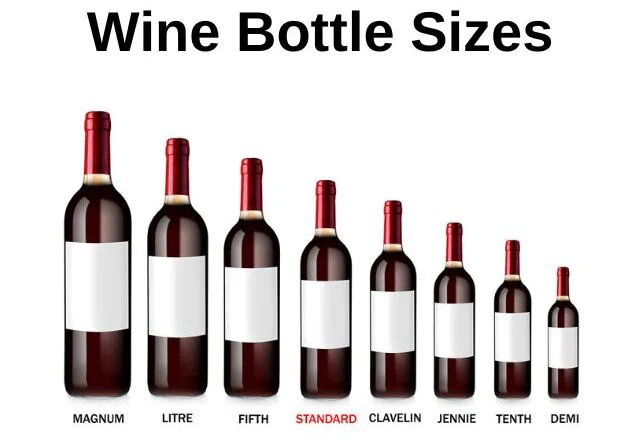
To master the art of accurate pouring and responsible hosting, you must first comprehend the foundational fluid dynamics hidden within the structural glass. A standard, modern bottle of wine manufactured by global vineyards today holds precisely 750 ml of liquid volume. This specific volume became the legally binding international trade standard decades ago, providing seamless consistency for maritime shipping, commercial restaurant inventory systems, automated bottling facilities, and personal cellar storage racks across the globe.
When we convert those standard metric figures into traditional imperial units for recipe planning or household tracking, a 750 ml bottle translates to roughly 25.4 fluid ounces (oz). Furthermore, if you want to know how many units in a bottle of wine based on volume rather than weight, you will discover that a standard bottle yields approximately 3.2 metric cups. Memorizing these precise physical dimensions makes it immensely easier to organize large social gatherings, estimate supply demands for weekend celebrations, and maintain perfect portion control at the dinner table.
From Bottle to Glass: Servings and Standard Drinks

Pouring wine from an elegant bottle can be highly deceptive since glasses can easily be filled directly to the rim or delicately sampled at the base. In professional hospitality settings, bars, and luxury restaurants, a single standard commercial pour of table wine is strictly measured at 5 fluid ounces. This precise calibration means you can easily track how many units in a bottle of wine because you will reliably extract exactly 5 glasses of wine per bottle whenever you are dining out at a formal commercial establishment or managed event venue.
However, when individuals are relaxing in the comfort of their own homes, they frequently pour much heavier 8-ounce servings without even realizing the discrepancy. If you fall into the habit of pouring those generous, heavy-handed domestic portions, your entire bottle will suddenly vanish in just under 3 full glasses. In terms of federal health guidelines, a standard 750ml bottle represents roughly 5 US standard drinks, which helps simplify nutritional tracking on modern smartphone fitness applications.
Health & Nutrition: Calories and Weight Profiles
Alcohol units only represent one half of the modern nutritional health equation, as liquid calories can easily sneak into your daily diet surprisingly fast. A typical commercial bottle contains anywhere from 550 to 750 total calories, which scales linearly based on residual grape sugars and final alcohol concentrations. Understanding how many units in a bottle of wine often goes hand-in-hand with tracking these calories, as bone-dry white varieties like a French Sauvignon Blanc sit comfortably on the lower end of this spectrum, while rich dessert wines and high-ABV reds carry the heaviest overall caloric loads.
If you have ever wondered about the total physical weight of your home delivery boxes or travel luggage, a full wine bottle typically averages between 2.6 and 3.5 lbs (1.2 to 1.6 kg). The delicious liquid contents themselves contribute roughly 1.6 pounds to that final weight metric, while the remaining heavy mass stems directly from the structural glass casing. Premium historic wineries often utilize significantly thicker, heavier glass moldings for their top-tier aged varieties to effectively block out degrading ambient light and structurally protect the natural cork over decades.
Practical Wine Hacks: How to Open a Bottle Without a Corkscrew
Almost every wine lover has experienced the sudden wave of panic that hits when you bring home a beautiful vintage only to realize a corkscrew is nowhere to be found. Fortunately, you can safely extract the cork and figure out how many units in a bottle of wine by using simple physics, kinetic energy, and a standard clean tennis shoe or flat-soled leather boot. Simply place the flat bottom of the glass bottle securely inside the heel of your footwear, and firmly slap the protected shoe against a flat, sturdy concrete or brick wall.
The kinetic pressure generated by the trapped liquid will gradually force the stubborn cork outward until it emerges far enough for you to twist it away by hand. Alternatively, you can drive a traditional metal house key into the center of the cork at a precise 45-degree angle to create immediate mechanical leverage. Once the metal teeth are deeply embedded into the material, turn the key in a slow, continuous circular motion while pulling upward to smoothly extract the plug without shattering the neck.
Fun Facts: The Most Expensive Bottle of Wine Ever Sold
The global luxury wine investment market operates in an entirely different financial universe, where ultra-rare historical vintages are traded exactly like priceless museum artwork. The long-standing world record for the most expensive single bottle of wine ever sold belongs to an legendary, iconic 1945 Domaine de la Romanée-Conti. This incredibly scarce bottle of vintage French Burgundy completely shattered all previous auction house expectations when a collector purchased it at a Sotheby’s event for an astronomical $558,000.
Only 600 individual bottles were ever successfully produced in that specific 1945 batch right before the historic vineyard pulled up its ancient vines for replanting. Elite connoisseurs view these surviving bottles as magical historic time capsules, representing a flawless combination of ideal weather patterns and traditional winemaking heritage. While the vast majority of us will never personally sample a luxury collector vintage of that immense financial caliber, its existence highlights the fascinating cultural depth and enduring economic value of premium viticulture.
Conclusion
Accurately calculating exactly how many units in a bottle of wine does not have to be a stressful or confusing mathematical chore anymore. By quickly cross-referencing the ABV percentage printed on the back label with the standard 750ml volume, you can calculate your precise intake in a matter of seconds. Successfully balancing your units, fluid ounces, and pour sizes allows you to deeply appreciate the world of fine winemaking responsibly while keeping your long-term personal health and wellness objectives perfectly aligned.
Frequently Asked Questions (FAQs)
How many ounces is a bottle of wine?
A standard 750ml bottle contains exactly 25.36 US fluid ounces, which is universally rounded to 25.4 oz for quick everyday calculations and meal planning.
What is the recommended weekly alcohol unit limit according to health experts?
Major health organizations like the NHS strongly advise individuals to consume no more than 14 alcohol units per week, which should ideally be spread out over three or more separate days.
Does red wine automatically contain more alcohol units than white wine varieties?
Not inherently by color alone, but practical fermentation trends mean that red wines frequently reach higher ABV levels (13.5%–15%) than delicate white wines (11%–13%), yielding more total units.
How many oz are contained in a single standard measured glass of wine?
A standard restaurant serving, health-monitored portion, or designated “standard drink” of table wine is precisely 5 fluid ounces, which equates to roughly 148 milliliters of liquid.
You may also read: The Health Perspective: Assessing a 63kg Woman