
Managing cirrhosis through diet is not optional — it’s essential. The AskDocDoc article on cirrhosis foods breaks down which foods support liver regeneration and which ones accelerate damage. Below, we’ll expand on those insights with practical details most sources overlook.
What Are the Best Foods to Eat With Cirrhosis?
Lean proteins top the list. ESPEN guidelines recommend 1.2–1.5 g of protein per kg of body weight daily — far more than many patients expect. Chicken, fish, eggs, and legumes help combat sarcopenia, the muscle wasting that worsens cirrhosis prognosis.
Fiber-rich vegetables, oats, and berries provide antioxidants that reduce oxidative liver stress. A 2020 study in Nutrients found that patients consuming high-fiber diets had lower hospitalization rates for hepatic encephalopathy.
One overlooked strategy: a late-evening snack. Research from Hepatology (2012) showed that a 200-calorie nighttime snack containing complex carbs prevents overnight muscle breakdown. Something as simple as yogurt with oats works.
Which Food Should Be Avoided in Cirrhosis?
Sodium is enemy number one, especially with ascites. Keep intake below 2,000 mg per day. That means avoiding processed meats, canned soups, and most restaurant food.
Alcohol is obviously off-limits. But people often miss that excess sugar damages the liver too — fructose in particular drives fat accumulation even in non-alcoholic conditions. Saturated fats from fried food and red meat add unnecessary metabolic burden.
Also worth watching: grapefruit can interfere with drug metabolism through CYP3A4 inhibition, and vitamin K-rich greens may conflict with warfarin if prescribed.
What Are the 5 Super Foods for the Liver?
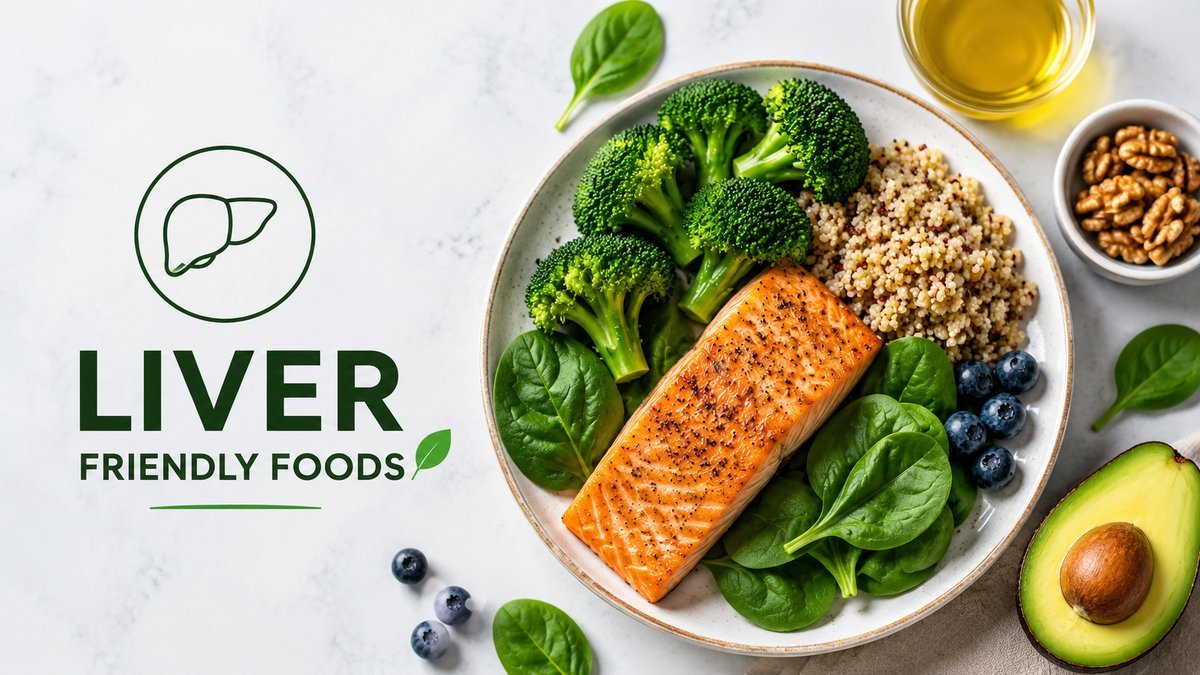
Coffee stands out. A 2021 meta-analysis in BMC Gastroenterology linked 2–3 daily cups to reduced fibrosis progression. Then there’s oily fish (omega-3s lower inflammation), walnuts (rich in arginine for ammonia detoxification), leafy greens, and blueberries packed with anthocyanins.
These aren’t miracle cures though. They work as part of a consistent dietary pattern.
Does Diet Change by Cirrhosis Stage?
This is a gap almost nobody talks about. Compensated cirrhosis (Child-Pugh A) allows a relatively normal diet with moderate sodium restriction. Decompensated stages demand stricter sodium limits, careful protein timing, and often BCAA supplementation to avoid encephalopathy — not protein restriction, which is an outdated myth.
Zinc and vitamin D deficiencies are common in advanced stages. A 2019 World Journal of Gastroenterology review found zinc supplementation improved mental clarity in patients with minimal hepatic encephalopathy.
FAQ
Is Paneer Good for Cirrhosis?
Paneer provides easily digestible protein, which is beneficial. However, its sodium content varies by brand, so check labels carefully. Homemade paneer with minimal salt is the safer option.
Can Diet Alone Reverse Cirrhosis?
No. Diet supports liver function and slows progression but cannot reverse established scarring. It does, however significantly impact quality of life and complication rates.
Final Thoughts
Eating right with cirrhosis isn’t about a single superfood — its about consistent choices tailored to your disease stage. Prioritize adequate protein, limit sodium, address micronutrient gaps, and don’t skip that evening snack. Small daily decisions compound into measurable outcomes over months.