Sleep plays a critical role in physical health, emotional balance, and cognitive performance, yet modern lifestyles continue to disrupt natural rest patterns. Many people struggle with falling asleep quickly, staying asleep through the night, or waking up feeling refreshed. This is where sleep improvement techniques become essential, offering structured, science-backed methods that help restore healthy sleep cycles without relying heavily on medication or temporary fixes.
The growing interest in natural sleep optimization is driven by stress, screen exposure, and inconsistent daily routines. By applying practical sleep improvement techniques, individuals can gradually retrain their bodies to follow a stable circadian rhythm. These strategies are not quick fixes but long-term lifestyle adjustments that improve sleep quality, energy levels, and overall well-being in a sustainable and measurable way.
Understanding Sleep Patterns and Why They Break Down
Sleep is controlled by the circadian rhythm, an internal biological clock that regulates when we feel awake and when we feel sleepy. When this system is disrupted by irregular sleeping hours, late-night screen usage, or high stress levels, the body struggles to maintain deep and restorative sleep. Over time, this leads to fatigue, poor concentration, and reduced productivity during the day.
Another major factor affecting sleep quality is mental overstimulation. Many individuals go to bed with an active mind due to work pressure, emotional stress, or digital distractions. These conditions prevent the brain from transitioning smoothly into rest mode. Effective sleep improvement techniques focus on restoring balance to both mental and physical systems so the body can naturally prepare for rest without resistance.
Science-Backed Sleep Improvement Techniques for Better Rest
One of the most reliable sleep improvement techniques is maintaining a consistent sleep and wake schedule. When the body follows the same routine daily, it becomes easier to fall asleep at night and wake up naturally in the morning. This consistency strengthens the circadian rhythm and improves both sleep depth and duration over time.
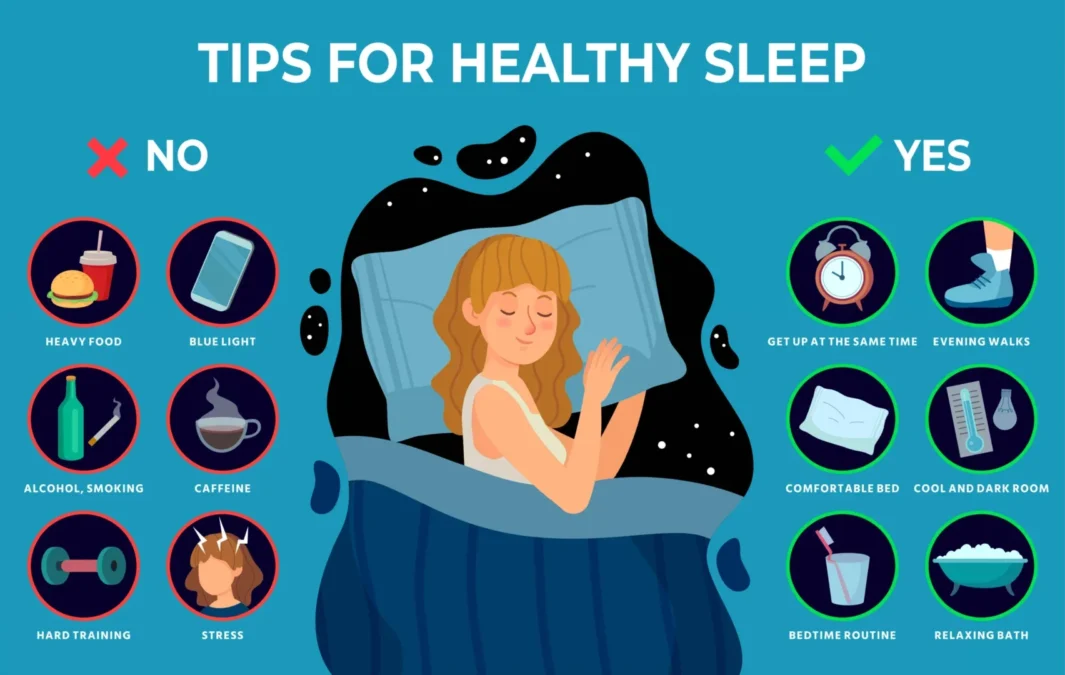
Another important method involves managing light exposure throughout the day. Exposure to natural sunlight in the morning helps regulate alertness, while reducing artificial blue light at night supports melatonin production. Activities such as reading, light stretching, or meditation before bed signal the brain to slow down. These scientifically supported sleep improvement techniques are simple but highly effective when practiced consistently.
Lifestyle Habits That Strengthen Sleep Quality
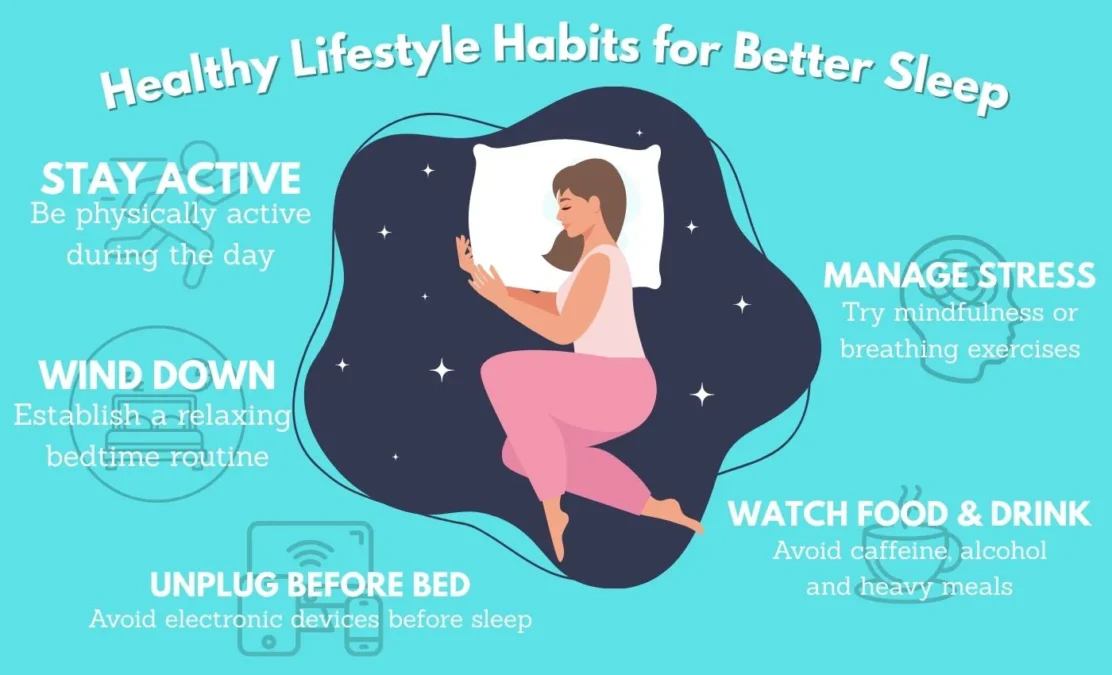
Daily habits have a powerful influence on how well the body sleeps. Nutrition plays a key role, as heavy meals, caffeine, and sugar intake close to bedtime can interfere with natural sleep cycles. Instead, foods rich in magnesium, potassium, and tryptophan help the body relax and prepare for deeper sleep. Herbal teas and light evening snacks can also support better rest.
Physical activity is another essential factor in improving sleep quality. Regular exercise helps regulate energy levels, reduce stress, and promote deeper sleep stages. However, intense workouts should be scheduled earlier in the day rather than right before bed. These lifestyle-focused sleep improvement techniques work best when they become part of a long-term routine rather than occasional efforts.
Creating an Ideal Sleep Environment for Better Rest
The sleep environment plays a major role in determining how quickly and deeply a person sleeps. A cool, dark, and quiet room is ideal for promoting relaxation and reducing nighttime disturbances. Factors such as mattress quality, pillow support, and room ventilation also significantly impact comfort and sleep continuity.
Reducing noise and light exposure can further enhance sleep quality. Blackout curtains, white noise machines, or earplugs can help create a stable environment that supports uninterrupted rest. Many effective sleep improvement techniques emphasize environmental optimization because even small adjustments can lead to noticeable improvements in sleep quality and overall restfulness.
Technology and Modern Sleep Improvement Approaches
Technology can both disrupt and improve sleep depending on how it is used. Excessive screen time before bed is one of the most common causes of sleep delay due to blue light exposure. However, when used correctly, technology can also support better sleep habits through tracking and behavioral feedback.
Sleep tracking applications help individuals understand their sleep cycles, identify patterns, and adjust routines accordingly. Similarly, blue light filters and night mode settings reduce the impact of screens on melatonin production. Sound therapy apps and white noise systems are also widely used sleep improvement techniques that help individuals fall asleep faster by masking environmental noise and creating a calming atmosphere.
Advanced Sleep Improvement Strategies for Persistent Issues
For individuals experiencing long-term sleep difficulties, structured therapeutic approaches may be necessary. Cognitive Behavioral Therapy for Insomnia (CBT-I) is one of the most effective methods, focusing on changing negative thoughts and habits that interfere with sleep. It addresses both psychological and behavioral causes of insomnia.
Another advanced method is sleep restriction therapy, which limits time spent in bed to improve sleep efficiency. Over time, this strengthens the body’s natural sleep drive and reduces nighttime wakefulness. These advanced sleep improvement techniques are often recommended for chronic sleep issues and provide long-lasting results when followed under proper guidance.
Common Mistakes That Reduce Sleep Quality
Many people unknowingly harm their sleep quality through simple but repeated mistakes. One of the most common is using electronic devices in bed, which delays sleep onset and reduces melatonin production. Another issue is inconsistent sleep timing, which confuses the body’s internal clock and makes it harder to establish a stable sleep pattern.
Late-night consumption of caffeine or heavy meals also disrupts digestion and prevents deep sleep. Additionally, excessive daytime naps can reduce nighttime sleep pressure. Avoiding these habits is essential for maximizing the effectiveness of sleep improvement techniques and achieving consistent, restorative rest.
Building a Long-Term Sleep Improvement Plan
Sustainable sleep improvement requires consistency rather than short-term changes. A structured plan that includes regular sleep schedules, healthy lifestyle habits, and a calming nighttime routine can significantly improve sleep quality over time. Tracking progress helps individuals identify what works best for their specific needs.
It is also important to remain patient, as the body takes time to adjust to new routines. Small improvements accumulate gradually, leading to long-term benefits such as better focus, improved mood, and higher energy levels. A well-structured approach to sleep improvement techniques ensures lasting results rather than temporary improvements.
Conclusion
Improving sleep is a gradual process that requires consistency, awareness, and lifestyle adjustments. By applying proven sleep improvement techniques, individuals can significantly enhance both the quality and duration of their sleep. These methods work by aligning the body’s natural rhythms with healthy habits that support relaxation and recovery.
Ultimately, better sleep leads to improved mental clarity, emotional stability, and physical health. Instead of relying on quick fixes, adopting sustainable habits ensures long-term benefits. With the right approach, anyone can transform their sleep quality and experience more energized, productive, and balanced days.
You may also read: Magnesium and Nervous System Relaxation