Early-onset dementia is a condition that affects individuals under the age of 65, often appearing during the most active and productive years of life. This early onset symptoms guide is designed to help readers understand the subtle yet important warning signs that are frequently overlooked or misinterpreted. Many people assume memory issues or behavioral changes are linked to stress or fatigue, but these symptoms can signal something more serious.
Recognising the early indicators is crucial because timely action can significantly improve outcomes. This early onset symptoms guide provides clarity on what to watch for, how symptoms progress, and why early diagnosis matters. With increasing awareness, individuals and families can take proactive steps to seek medical advice, access treatment, and make informed decisions about their health and future.
What Is Early Onset Dementia?
Early-onset dementia refers to cognitive decline that begins before the age of 65 and affects memory, thinking, and behaviour. It is commonly associated with conditions like Alzheimer’s disease and Frontotemporal dementia, although other neurological disorders can also contribute. Unlike typical age-related forgetfulness, this condition progresses over time and begins to interfere with daily life.
This early onset symptoms guide highlights that younger individuals often face delayed diagnosis because symptoms are mistaken for mental health issues or work-related stress. As a result, many people do not receive the support they need early enough. Understanding the nature of early-onset dementia helps distinguish it from normal ageing and ensures that warning signs are not ignored or dismissed.
Why Early Recognition Matters
Early recognition of dementia symptoms allows individuals to access treatment and support at a stage when interventions can be most effective. While there is no cure for most types of dementia, early diagnosis can help slow progression, improve quality of life, and provide more time for planning. This early onset symptoms guide emphasises the importance of acting promptly when symptoms appear.
Another key benefit of early detection is emotional preparedness. Individuals and their families can better understand what lies ahead and take steps to manage both practical and psychological challenges. This early onset symptoms guide encourages awareness and open conversations, which can reduce fear and uncertainty while ensuring that appropriate care strategies are put in place.
Early Signs of Dementia You Shouldn’t Ignore

One of the most common early symptoms is memory loss that disrupts daily life, such as forgetting recent conversations, appointments, or important dates. Unlike occasional forgetfulness, these issues occur frequently and gradually worsen. This early onset symptoms guide explains that repetition, such as asking the same questions multiple times, is a key warning sign that should not be ignored.
Other early signs include difficulty completing familiar tasks, confusion about time or place, and challenges with communication. Individuals may struggle to find the right words or follow conversations, leading to frustration and withdrawal. Mood changes, poor judgment, and a noticeable decline in motivation are also common, making it essential to recognise patterns rather than isolated incidents.
Common Causes Behind Early Symptoms
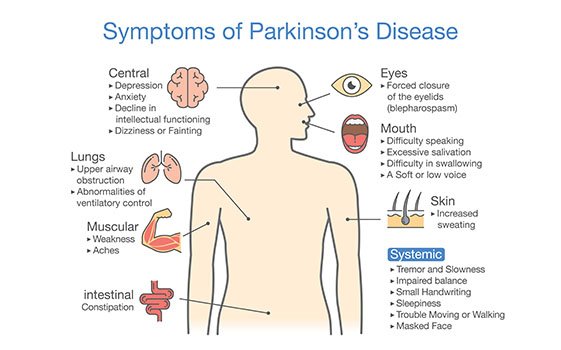
Early-onset dementia can be caused by a range of neurological conditions, genetic factors, and lifestyle influences. Disorders such as Parkinson’s disease can contribute to both cognitive and physical symptoms. In some cases, a strong family history increases the likelihood of developing early-onset conditions, making awareness even more important.
This early onset symptoms guide also points to lifestyle factors such as poor cardiovascular health, lack of exercise, and chronic stress as contributing elements. While these factors do not always cause dementia directly, they can increase the risk or accelerate progression. Understanding these causes allows individuals to take preventive measures and recognise when symptoms require professional evaluation.
Symptoms Often Mistaken for Other Conditions
Many early symptoms of dementia overlap with conditions like Depression, anxiety, or burnout, which can lead to misdiagnosis. For example, difficulty concentrating, fatigue, and mood swings are common in both mental health conditions and early cognitive decline. This overlap often delays proper diagnosis and treatment.
This early onset symptoms guide stresses the importance of monitoring symptom patterns over time. Temporary issues caused by stress typically improve with rest and lifestyle changes, whereas dementia-related symptoms tend to worsen gradually. Recognising this distinction can help individuals seek the right medical support and avoid unnecessary delays in care.
When to See a Doctor
It is important to consult a healthcare professional if symptoms persist, worsen, or begin to interfere with daily responsibilities. Forgetting small details occasionally is normal, but consistent confusion, difficulty performing familiar tasks, or noticeable personality changes should be taken seriously. This early onset symptoms guide encourages individuals not to ignore these warning signs.
Doctors may conduct a series of tests, including cognitive assessments and medical evaluations, to determine the cause of symptoms. Early consultation ensures that underlying conditions are identified and managed appropriately. This early onset symptoms guide reinforces that seeking help early can make a meaningful difference in long-term health outcomes.
Diagnosis and Medical Evaluation
Diagnosing early-onset dementia involves a comprehensive approach that includes medical history, cognitive testing, and imaging techniques. Specialists assess memory, reasoning, language skills, and behaviour to identify patterns of decline. This process helps differentiate dementia from other conditions with similar symptoms.
In the UK, individuals may be referred to specialised memory clinics through the NHS for further evaluation. This early onset symptoms guide highlights that early diagnosis provides clarity and access to appropriate treatment plans. It also allows individuals and families to prepare for future challenges with greater confidence and support.
Treatment and Management Options
Although there is currently no cure for most forms of dementia, various treatments can help manage symptoms and improve quality of life. Medications, cognitive therapies, and lifestyle changes are commonly recommended. This early onset symptoms guide emphasises that a personalised approach is essential for effective management.
In addition to medical treatment, maintaining a healthy lifestyle plays a significant role in slowing progression. Regular physical activity, a balanced diet, and mental stimulation can support brain health. This early onset symptoms guide encourages individuals to adopt these habits early to enhance overall well-being and resilience.
How Families and Caregivers Can Help
Families and caregivers are essential in supporting individuals with early-onset dementia. Providing emotional reassurance, maintaining consistent routines, and encouraging independence can help improve daily functioning. This early onset symptoms guide highlights the importance of patience and understanding when dealing with behavioural changes.
Caregivers should also prioritise their own well-being, as supporting someone with dementia can be physically and emotionally demanding. Seeking professional advice, joining support groups, and accessing community resources can make caregiving more manageable. This early onset symptoms guide promotes a balanced approach to care for both patients and their families.
Prevention and Brain Health Tips
While not all cases of dementia can be prevented, adopting healthy habits can reduce the risk and support long-term brain health. Regular exercise, a nutritious diet, and sufficient sleep are essential components of a healthy lifestyle. This early onset symptoms guide encourages proactive steps to protect cognitive function.
Mental stimulation and social engagement also play a vital role in maintaining brain health. Activities such as reading, learning new skills, and staying socially active can strengthen cognitive resilience. This early onset symptoms guide reinforces that small, consistent changes can have a lasting impact on overall mental well-being.
Conclusion
Understanding the early signs of dementia is essential for timely intervention and improved quality of life. This early onset symptoms guide has explored the most important symptoms, causes, and steps to take when concerns arise. Recognising these signs early allows individuals to seek help, access treatment, and plan for the future with greater confidence.
Taking action at the right time can make a significant difference in managing the condition effectively. This early onset symptoms guide encourages awareness, education, and open communication to ensure that no warning sign is ignored. By staying informed and proactive, individuals and families can navigate the challenges of early-onset dementia with greater clarity and support.
You may also read: Physical intimacy and rebuilding closeness