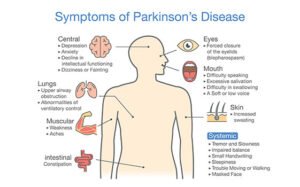
Early health risk factors are subtle yet powerful indicators that the body uses to signal potential internal problems before they develop into serious diseases. Many individuals tend to overlook these early warnings because the symptoms often appear mild or unrelated. However, understanding these signs can significantly improve long-term health outcomes. Recognizing early health risk factors allows individuals to take preventive action before conditions such as heart disease, diabetes, or cancer progress silently in the background.
In today’s fast-paced lifestyle, health awareness has become more important than ever. People often ignore fatigue, minor pain, or changes in body function, assuming they are temporary. Unfortunately, these small signs can sometimes represent the beginning of serious medical conditions. By learning how to identify and respond to early health risk factors, individuals can reduce complications, improve treatment success rates, and maintain better overall well-being throughout life.
Understanding What Early Health Risk Factors Really Mean
Early health risk factors refer to conditions, behaviors, or physical changes that increase the likelihood of developing chronic diseases in the future. These factors are not always visible symptoms but can include lifestyle habits such as poor diet, inactivity, smoking, or long-term stress. Understanding early health risk factors is essential because they often develop silently and gradually affect the body over time without immediate warning signs.
From a medical perspective, these risk factors act as early signals that something in the body is not functioning optimally. For example, high blood pressure or elevated blood sugar levels may not show symptoms at first but can lead to severe complications if ignored. Identifying early health risk factors helps individuals take corrective action early, reducing the risk of long-term damage and improving quality of life through preventive care.
Ten Critical Warning Signs of Serious Health Conditions
One of the most important aspects of health awareness is recognizing the body’s warning signals. Persistent fatigue, unexplained weight changes, and chronic pain are often among the earliest indicators that something is wrong. These symptoms may seem harmless initially, but they are frequently associated with underlying conditions such as diabetes, thyroid disorders, or cardiovascular disease. Paying attention to early health risk factors can help detect these issues sooner.
Other important warning signs include changes in skin appearance, frequent dizziness, digestive problems, and shortness of breath. These symptoms may indicate serious health concerns affecting internal organs or systems. When combined, these signs should not be ignored. Recognizing early health risk factors in this stage is crucial, as early medical evaluation can prevent complications and significantly improve treatment outcomes for many chronic diseases.
Major Diseases Linked to Early Health Risk Factors
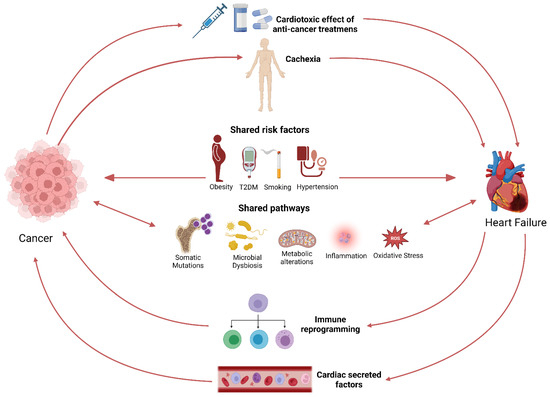
Many chronic illnesses develop slowly as a result of unmanaged early health risk factors. Heart disease is one of the most common examples, often linked to high cholesterol, poor diet, and lack of exercise. Similarly, diabetes develops gradually due to poor lifestyle habits and genetic predisposition. These conditions often remain undetected until they reach advanced stages, making early identification extremely important for prevention and control.
Cancer and neurological disorders such as dementia are also closely connected to early warning signs that appear years before diagnosis. Subtle changes in body function or behavior may indicate deeper health issues. Understanding early health risk factors provides an opportunity to intervene early, reduce disease progression, and improve survival rates. Early detection plays a vital role in managing these serious conditions effectively.
Causes and Lifestyle Drivers Behind Health Risks
The primary causes of early health risk factors are often linked to daily lifestyle choices. Poor nutrition, lack of physical activity, smoking, and excessive alcohol consumption significantly increase the risk of developing chronic diseases. Additionally, long-term stress and irregular sleep patterns can weaken the immune system, making the body more vulnerable to illness over time.
Environmental influences also play a major role in health risks. Pollution, exposure to toxins, and unsafe working conditions can gradually damage internal systems. Genetics may contribute as well, but lifestyle remains the most controllable factor. By understanding the causes of early health risk factors, individuals can make informed decisions to improve their health and reduce long-term medical risks.
How to Detect and Monitor Early Health Risk Factors
Detecting early health risk factors requires regular observation of the body and routine medical checkups. Blood tests, physical examinations, and diagnostic screenings can help identify potential issues before symptoms become severe. Monitoring changes such as energy levels, weight fluctuations, or unusual discomfort is also important for early detection and prevention of serious diseases.
In addition to medical checkups, individuals can use health tracking tools or journals to record daily symptoms and lifestyle habits. This helps identify patterns that may indicate underlying problems. Being proactive in monitoring early health risk factors ensures that potential health issues are addressed early, reducing the chances of complications and improving overall long-term health outcomes.
Prevention Strategies for Long-Term Health Protection
Preventing disease begins with addressing early health risk factors through consistent healthy habits. A balanced diet rich in nutrients, regular physical activity, and proper hydration play a key role in maintaining overall health. These habits strengthen the immune system and reduce the likelihood of developing chronic conditions later in life.
Stress management and quality sleep are equally important for prevention. Practices such as meditation, exercise, and maintaining a structured routine can significantly reduce health risks. Avoiding harmful behaviors like smoking and excessive alcohol consumption further strengthens the body’s defenses. By actively managing early health risk factors, individuals can protect themselves from many preventable diseases.
Importance of Early Action and Medical Consultation
Taking early action when symptoms appear can make a significant difference in health outcomes. Many serious diseases are highly treatable in their early stages, but delay in diagnosis can lead to complications. Recognizing early health risk factors and seeking medical advice promptly increases the chances of effective treatment and recovery.
Medical professionals use diagnostic tools to identify underlying causes that may not be visible through symptoms alone. Regular consultations help track health conditions and prevent progression into more serious stages. Acting early on early health risk factors is one of the most effective ways to maintain long-term health and avoid life-threatening complications.
Conclusion: Taking Control of Your Health Early
Early health awareness is essential in today’s world, where lifestyle-related diseases are becoming increasingly common. Understanding and managing early health risk factors empowers individuals to take control of their health before problems escalate. Small changes in lifestyle, combined with regular medical checkups, can significantly reduce the risk of chronic illness.
Ultimately, prevention is always better than cure. By paying attention to the body’s signals and responding early, individuals can lead healthier, longer lives. Recognizing early health risk factors is not just about avoiding disease—it is about building a foundation for long-term wellness, energy, and quality of life.
You may also read: Early Disease Warning Signs Across Specific Diseases