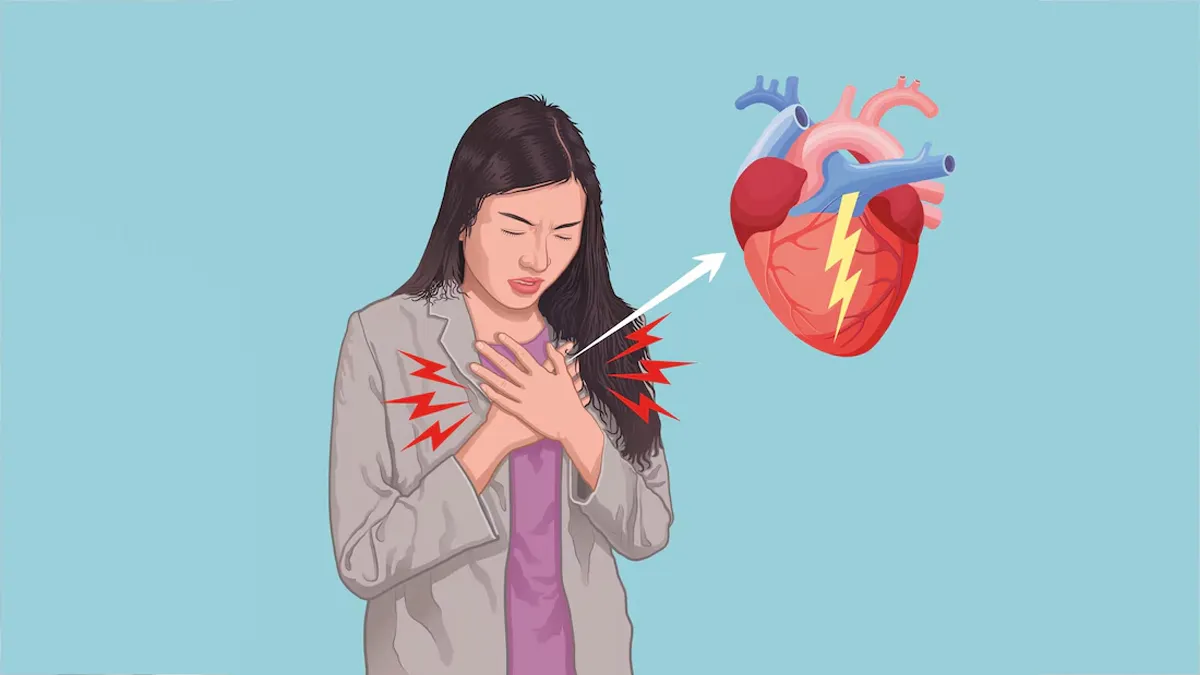
Early disease warning signs are subtle physical or mental changes that often appear before a serious illness becomes fully developed. These signs are frequently overlooked because they can seem harmless at first, such as mild fatigue, occasional dizziness, or small changes in appetite. However, these early signals are the body’s way of communicating that something may not be functioning properly and requires attention.
Understanding early disease warning signs is essential in modern healthcare because many chronic and acute conditions develop silently over time. Diseases affecting the heart, brain, liver, and immune system often begin with vague symptoms that are easy to dismiss. Recognizing these early changes can help individuals seek medical care sooner, improving treatment outcomes and reducing long-term health risks.
Why Early Detection Matters for Long Term Health
Early detection plays a critical role in preventing disease progression. When conditions are identified in their initial stages, treatment is usually more effective and less invasive. Ignoring early symptoms can allow illnesses to advance, making them more difficult to manage and increasing the risk of complications that could have been avoided with timely intervention.
The importance of early disease warning signs lies in their ability to guide preventive healthcare decisions. By acting early, individuals can reduce the severity of conditions such as diabetes, autoimmune disorders, or cardiovascular disease. Early diagnosis also reduces healthcare costs and improves quality of life, as patients can manage conditions before they significantly impact daily functioning.
General Early Disease Warning Signs You Should Never Ignore
One of the most common early indicators of illness is persistent fatigue that does not improve with rest. This type of exhaustion is often more than simple tiredness and can be associated with hormonal imbalances, immune system dysfunction, or chronic disease development. When fatigue becomes ongoing, it is often one of the first early disease warning signs that should not be ignored.
Other general symptoms include unexplained weight changes, recurring pain, and digestive disturbances. These signs may appear mild initially but can point to underlying conditions affecting metabolism, digestion, or internal organs. Skin changes, frequent infections, and prolonged inflammation are also important indicators that the body may be struggling with an undiagnosed health issue.
Early Disease Warning Signs Across Specific Diseases
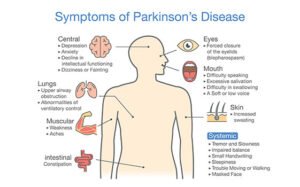
Different diseases present unique patterns of early symptoms. Neurological conditions such as Alzheimer’s disease or Parkinson’s disease may begin with memory issues, tremors, or coordination difficulties. These changes are often gradual, making them easy to overlook until they become more severe and disruptive to daily life.
Autoimmune conditions and infections also show distinct early patterns. Diseases such as Hashimoto’s disease, Graves disease, Crohn’s disease, or Lyme disease often begin with fatigue, inflammation, or flu-like symptoms. Recognizing early disease warning signs in these conditions is essential, as early treatment can significantly slow disease progression and improve long-term outcomes.
Risk Factors That Make Early Symptoms More Noticeable
Certain risk factors increase the likelihood of experiencing early symptoms of disease. Genetics plays a major role, as individuals with a family history of chronic or autoimmune conditions are more prone to developing similar health issues. Lifestyle factors such as poor diet, lack of exercise, smoking, and high stress levels can also intensify early warning signs.
Environmental exposure and aging further contribute to the development of early symptoms. As the body becomes more vulnerable over time, subtle changes become more noticeable. Understanding these risk factors helps individuals identify early disease warning signs sooner and encourages proactive health monitoring before conditions progress.
Diagnostic Approaches for Identifying Disease Early
Modern medicine offers several tools to detect diseases in their earliest stages. Blood tests, imaging scans, and genetic screenings are commonly used to identify abnormalities before symptoms become severe. These diagnostic methods are essential in confirming early disease warning signs and guiding appropriate treatment plans.
Routine health check-ups also play a vital role in early detection. Regular monitoring of blood pressure, cholesterol levels, and organ function helps identify potential health issues before they develop into serious conditions. Preventive screening is one of the most effective strategies for maintaining long-term health and avoiding complications.
Prevention and Lifestyle Strategies for Better Health Awareness
Healthy lifestyle choices significantly reduce the risk of developing chronic diseases. A balanced diet rich in nutrients, regular physical activity, and sufficient sleep strengthen the immune system and improve overall well-being. These habits help reduce the likelihood of experiencing severe early disease warning signs and support long-term health stability.
Stress management is equally important in preventing illness. Chronic stress can weaken the immune system and trigger or worsen many health conditions. Practices such as mindfulness, exercise, and relaxation techniques help maintain mental and physical balance, reducing the impact of early symptoms and promoting better disease resistance.
Conclusion Understanding the Importance of Early Awareness
Recognizing early disease warning signs is one of the most important steps in protecting long-term health. Many serious illnesses begin silently, and early symptoms are often the only opportunity to detect them before they progress. Paying attention to these signals can make a significant difference in treatment success and recovery outcomes.
By staying informed, adopting healthy habits, and seeking medical advice when symptoms persist, individuals can take control of their health more effectively. Early awareness is not just about identifying disease—it is about preventing it from becoming a life-altering condition.
You may also read: Early Signs of Dementia You Shouldn’t Ignore