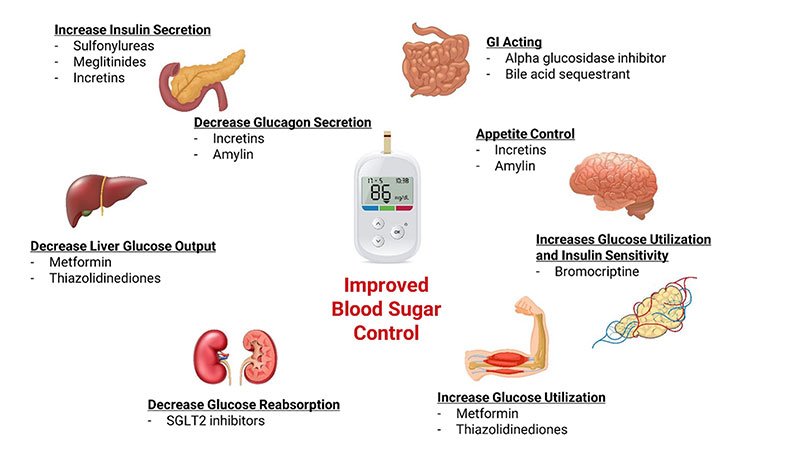
Maintaining balanced blood sugar is essential for overall health, energy stability, and long-term disease prevention. Learning how to control glucose levels is no longer just important for people with diabetes; it has become a key aspect of modern health awareness. Fluctuating glucose levels can impact mood, weight, concentration, and even heart health, making it vital to understand how your body responds to sugar.
In today’s fast-paced lifestyle, many people unknowingly consume foods and follow habits that cause unstable blood glucose levels. This article provides a clear, practical, and science-based approach to managing glucose levels through diet, exercise, and daily habits. With the right knowledge, you can take control of your health and maintain consistent energy throughout the day.
Understanding Glucose Levels
Glucose is a type of sugar found in your blood that serves as the primary source of energy for your body. It comes from the foods you eat, especially carbohydrates, and is regulated by hormones such as insulin. When your body functions properly, it keeps glucose levels in blood within a healthy range. However, imbalances can lead to either high or low blood sugar, both of which can have serious health effects.
Normal glucose levels depend on several factors, including whether you have eaten recently. In general, normal blood glucose levels UK guidelines suggest a fasting range of around 4.0 to 5.9 mmol/L and post-meal levels below 7.8 mmol/L. Understanding these ranges helps you recognize when your glucose levels are too high or too low and allows you to take timely action.
Causes of High and Low Glucose Levels
High glucose levels often develop gradually due to unhealthy eating habits, lack of physical activity, and chronic stress. Consuming foods high in sugar and refined carbohydrates can cause spikes in blood glucose levels, especially when combined with sedentary behavior. Over time, this can reduce insulin sensitivity and increase the risk of developing type 2 diabetes.
Low glucose levels, also known as hypoglycemia, can occur when the body does not have enough sugar to meet its energy needs. This may happen if you skip meals, take excessive medication, or engage in intense physical activity without proper nutrition. Symptoms such as shakiness, dizziness, and confusion are common signs that your blood sugar has dropped too low.
Diet: Foods That Help Control Glucose Levels

A balanced diet is one of the most effective ways to manage blood glucose levels. Foods rich in fiber, such as vegetables, whole grains, and legumes, slow the absorption of sugar into the bloodstream. This helps prevent sudden spikes and keeps glucose levels stable throughout the day. Including lean proteins and healthy fats also supports steady energy release and improves overall metabolic health.
On the other hand, processed foods, sugary drinks, and refined carbohydrates can quickly raise glucose levels and should be limited. Many people ask whether artificial sweeteners affect blood sugar. While most do not directly increase glucose levels, they may still influence appetite and insulin response in some individuals. Choosing whole, natural foods remains the best strategy for long-term control.
Exercise and Physical Activity
Physical activity plays a crucial role in regulating blood sugar levels. When you exercise, your muscles use glucose for energy, which naturally lowers blood glucose levels. Regular activity also improves insulin sensitivity, allowing your body to use sugar more efficiently. This makes exercise one of the most powerful tools for those looking to understand how to control glucose levels effectively.
Different types of exercise offer unique benefits. Aerobic activities such as walking, jogging, or cycling help burn glucose quickly, while strength training builds muscle and improves long-term glucose control. Even simple daily movements, like taking the stairs or walking after meals, can make a significant difference in maintaining balanced blood sugar levels.
Lifestyle Habits to Maintain Healthy Glucose Levels
Healthy lifestyle habits go beyond food and exercise. Sleep plays a vital role in regulating hormones that control blood sugar. Poor sleep can disrupt insulin function, leading to higher glucose levels in blood and increased cravings for sugary foods. Prioritizing consistent, high-quality sleep can significantly improve your ability to maintain stable glucose levels.
Stress is another major factor that affects blood sugar. When you are stressed, your body releases hormones that increase glucose levels to provide quick energy. While this response is useful in short bursts, chronic stress can lead to consistently high blood sugar. Managing stress through relaxation techniques, mindfulness, or light physical activity can help maintain balance.
How to Get Glucose Levels Down Quickly
There are times when blood sugar levels may rise unexpectedly, and knowing how to respond can be very helpful. Drinking water is one of the simplest ways to help your body flush out excess sugar. Light physical activity, such as a short walk, can also encourage your muscles to use glucose, lowering your levels naturally and safely.
However, it is important to approach quick fixes with caution. Drastic changes or unverified remedies can lead to further imbalance, including low blood glucose levels. If your readings remain consistently high, it is important to consult a healthcare professional for proper guidance and treatment.
Monitoring and Tracking Glucose Levels
Regular monitoring is essential for understanding how your body responds to different foods and activities. Home glucose monitors make it easy to track your blood sugar at various times of the day. This helps you identify patterns and make informed decisions about your diet and lifestyle.
Using a blood glucose levels chart can also provide valuable insights. By comparing your readings with standard ranges, you can determine whether your levels are normal or require attention. Monitoring both fasting blood glucose levels and post-meal readings gives you a complete picture of your overall health.
Special Considerations
For individuals with diabetes, managing glucose levels requires a structured approach that includes medication, diet, and regular monitoring. Following medical advice and maintaining a consistent routine are essential for preventing complications and ensuring long-term health.
Even if you do not have diabetes, learning how to control glucose levels can help prevent future health problems. Stable blood sugar supports better energy, improved focus, and reduced risk of chronic diseases. Taking proactive steps today can lead to healthier outcomes in the future.
Common Mistakes to Avoid
Many people unknowingly make mistakes that affect their blood sugar control. Skipping meals is a common issue that can lead to unstable glucose levels and increased cravings later in the day. Similarly, relying only on medication without improving diet and lifestyle habits can limit long-term success.
Ignoring early warning signs is another mistake that should be avoided. Symptoms such as fatigue, excessive thirst, or sudden hunger may indicate imbalanced blood glucose levels. Addressing these signs early can help prevent more serious health issues and keep your glucose levels within a healthy range.
Conclusion
Understanding how to control glucose levels is essential for maintaining a healthy and balanced life. By focusing on proper nutrition, regular exercise, and positive lifestyle habits, you can effectively manage your blood sugar and reduce the risk of long-term complications. Small, consistent changes can make a significant difference over time.
Taking control of your glucose levels is not about strict restrictions but about making smarter choices every day. With awareness, consistency, and the right approach, you can achieve stable blood sugar levels and improve your overall well-being for years to come.
You may also read: Symptoms of Blood Sugar Problems