Glucose is the main source of energy used by the human body, and maintaining balanced blood glucose levels is essential for good health. Every meal, physical activity, and lifestyle habit can influence the amount of glucose circulating in the bloodstream. When glucose levels rise too high or drop too low, the body may experience symptoms such as fatigue, dizziness, headaches, or difficulty concentrating. For people living with diabetes or insulin resistance, regular monitoring becomes a necessary part of everyday health management.
A detailed glucose monitoring devices guide helps users understand how modern technology supports accurate blood sugar tracking. In 2026, glucose monitoring devices are more advanced than ever, offering real-time alerts, smartphone integration, and wearable features designed for comfort and convenience. These improvements allow users to monitor glucose trends more effectively and make informed decisions about food, medication, and exercise without relying entirely on manual testing methods.
What Is a Blood Glucose Monitor?
A blood glucose monitor is a compact medical device designed to measure the amount of glucose in a person’s blood. Traditional monitors use a small blood sample collected through a finger prick and provide fast readings within seconds. These devices remain widely used because they are affordable, portable, and highly reliable when used correctly. Many modern blood glucose monitors now include memory storage, Bluetooth connectivity, and mobile app support to help users track changes in glucose levels over time.
For many people with diabetes, traditional blood glucose monitors continue to be an effective and practical solution. They are especially useful for individuals who need occasional testing throughout the day or those managing Type 2 diabetes with medication and dietary changes. A quality glucose monitoring devices guide should explain how these devices work, their benefits, and the situations where they remain the best option despite the rise of wearable glucose monitoring systems.
Continuous Glucose Monitoring Technology
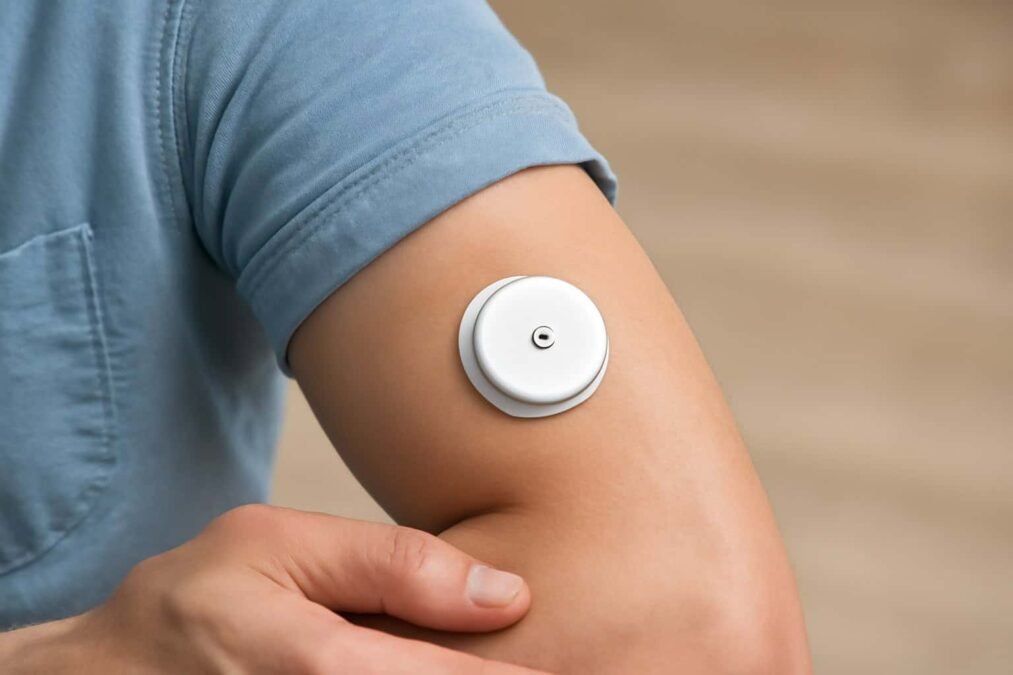
Continuous glucose monitoring, often referred to as CGM technology, has transformed diabetes care in recent years. Unlike standard blood glucose monitors that require finger-prick tests, CGMs use a wearable sensor placed under the skin to measure glucose levels continuously throughout the day and night. The sensor sends readings directly to a smartphone or receiver, allowing users to monitor blood glucose changes in real time without repeated manual testing.
One of the greatest advantages of continuous glucose monitoring systems is the ability to detect glucose fluctuations before they become dangerous. Modern CGMs can send alerts when glucose levels rise too high or fall too low, helping users respond quickly and avoid serious complications. This feature is especially valuable for people with Type 1 diabetes, athletes, older adults, and individuals who experience sudden blood sugar changes during sleep or physical activity.
Choosing the Right Glucose Monitoring Device

Choosing the right glucose monitoring device depends on several important factors, including lifestyle, medical condition, budget, and personal comfort. Some users prefer traditional blood glucose monitors because they are simple, cost-effective, and easy to carry while traveling. Others may choose continuous glucose monitoring systems for the convenience of real-time updates and automatic tracking throughout the day.
Accuracy should always be one of the most important considerations when selecting a glucose monitor. Reliable readings help users make safe decisions regarding insulin doses, medications, meals, and physical activity. A complete glucose monitoring devices guide should also explain the importance of long-term costs, including test strips, sensors, subscriptions, and replacement supplies. By comparing features carefully, users can choose a monitor that supports both their health goals and daily routine.
Normal Blood Glucose Levels and What They Mean
Understanding normal blood glucose levels is essential for interpreting test results correctly. For most healthy adults, fasting blood glucose levels typically range between 70 and 99 mg/dL. Blood sugar levels may naturally increase after eating, but they usually return to a normal range within a few hours. Persistently high readings may indicate diabetes, while unusually low levels can cause weakness, confusion, and fainting episodes.
Monitoring glucose regularly allows users to identify patterns and recognize how food, exercise, stress, and sleep affect blood sugar levels. A reliable glucose monitoring devices guide should teach readers how to understand their readings instead of simply collecting data. Learning how to recognize trends can help users avoid long-term complications such as nerve damage, vision problems, and cardiovascular disease associated with poorly controlled glucose levels.
Glucose Testing During Pregnancy
Pregnancy can significantly affect blood glucose levels, which is why many healthcare providers recommend glucose testing during prenatal care. A glucose tolerance test is commonly used to identify gestational diabetes, a condition that develops during pregnancy and may increase health risks for both mother and baby if left untreated. Early detection allows doctors to recommend dietary adjustments, physical activity, and monitoring strategies that support healthy glucose control.
Modern glucose monitoring devices make pregnancy-related testing easier and more accurate than ever before. Continuous glucose monitoring systems can help pregnant women track blood sugar changes throughout the day without repeated finger-prick testing. Many women find wearable monitors more comfortable and less stressful, especially during the later stages of pregnancy when maintaining stable glucose levels becomes increasingly important for maternal and fetal health.
Tips for Accurate Glucose Monitoring
Accurate glucose readings depend not only on the quality of the monitor but also on proper testing habits. Before using a blood glucose monitor, users should wash their hands thoroughly to remove food particles, lotions, or substances that may interfere with the reading. Test strips should always be stored correctly and checked for expiration dates because damaged or outdated strips may produce inaccurate results.
Users of continuous glucose monitoring devices should follow manufacturer instructions carefully to ensure sensor accuracy and proper placement. Staying hydrated, replacing sensors on time, and calibrating the device when required can improve performance significantly. A complete glucose monitoring devices guide should also encourage users to review their readings regularly with healthcare professionals to identify patterns and make informed treatment decisions based on long-term glucose trends.
Diet and Lifestyle Factors That Affect Glucose Levels
Daily habits play a major role in controlling blood glucose levels. Foods high in refined carbohydrates, sugary beverages, and processed ingredients can cause rapid glucose spikes that may become difficult to manage over time. In contrast, balanced meals rich in fiber, healthy fats, and lean proteins help stabilize blood sugar and reduce sudden fluctuations throughout the day.
Exercise is another powerful tool for glucose control because physical activity improves insulin sensitivity and helps the body use glucose more efficiently. Many people also follow modern glucose-focused wellness trends inspired by the “Glucose Goddess” approach, which emphasizes balanced meals, reduced sugar intake, and strategic eating habits to minimize blood sugar spikes naturally. Combining healthy eating with reliable glucose monitoring devices creates a more effective long-term strategy for maintaining stable glucose levels.
Future Trends in Glucose Monitoring Technology
The future of glucose monitoring technology is focused on improving comfort, convenience, and personalization. Researchers are currently developing non-invasive glucose monitors that may eliminate the need for finger pricks and implanted sensors entirely. Some wearable devices are already being tested with advanced biosensors capable of measuring glucose through the skin using light-based technology.
Artificial intelligence is also expected to play a major role in the next generation of glucose monitoring systems. Future devices may predict blood sugar fluctuations before they occur, allowing users to take preventive action earlier. These innovations could improve diabetes management dramatically by reducing health risks, increasing convenience, and helping users maintain better control of blood glucose levels with less effort and stress.
Conclusion
Modern glucose monitoring technology has changed the way people manage diabetes and maintain healthy blood glucose levels. From traditional blood glucose monitors to advanced continuous glucose monitoring systems, users now have access to more accurate and convenient solutions than ever before. These devices support better decision-making, improve long-term health outcomes, and provide valuable insights into how lifestyle choices affect glucose levels daily.
This comprehensive glucose monitoring devices guide highlights the importance of choosing the right monitoring system based on personal needs, lifestyle, and medical requirements. As technology continues evolving beyond 2026, glucose monitoring devices are expected to become smarter, more accessible, and increasingly user-friendly. With the right combination of monitoring tools, healthy habits, and medical guidance, individuals can take greater control of their health and maintain stable glucose levels with confidence.
You may also read: Best Exercises for a Diabetes Fitness Routine