Blood sugar, also known as glucose, plays a central role in how your body functions every day. It fuels your brain, supports muscle activity, and keeps your energy levels stable. This blood sugar level chart guide is designed to help you understand how glucose works in your body and why monitoring it is essential for both short-term wellness and long-term health.
Many people only think about blood sugar when diabetes is involved, but maintaining balanced levels is important for everyone. Whether you are trying to prevent health issues or manage an existing condition, understanding your numbers allows you to make informed decisions. With the help of a structured chart, you can easily identify normal ranges and detect early warning signs.
Understanding Blood Sugar and Body Regulation
The body regulates blood sugar through a complex system involving hormones, primarily insulin. When you eat, carbohydrates break down into glucose, which enters the bloodstream. Insulin then helps move this glucose into cells where it is used for energy or stored for later use. This natural process keeps blood sugar levels within a healthy range most of the time.
However, when this system becomes inefficient, blood sugar levels can rise or fall unpredictably. This imbalance may lead to conditions such as diabetes or hypoglycemia. Using a blood sugar level chart guide helps you understand these fluctuations and recognize patterns that may require attention, making it easier to maintain balance and prevent complications.
Blood Sugar Levels Chart and Standard Ranges
A blood sugar levels chart is one of the most practical tools for understanding glucose readings. It categorizes levels into normal, prediabetic, and diabetic ranges, making it easier to interpret your results. For example, fasting levels between 70–99 mg/dL (3.9–5.5 mmol/L) are considered normal, while higher values may indicate a need for further evaluation.
Post-meal readings also play an important role in assessing your health. Typically, blood sugar should remain below 140 mg/dL (7.8 mmol/L) after eating. This blood sugar level chart guide provides a clear framework for evaluating these numbers, helping you determine whether your body is responding well to food, activity, and lifestyle habits.
Blood Sugar Normal Range Explained Clearly
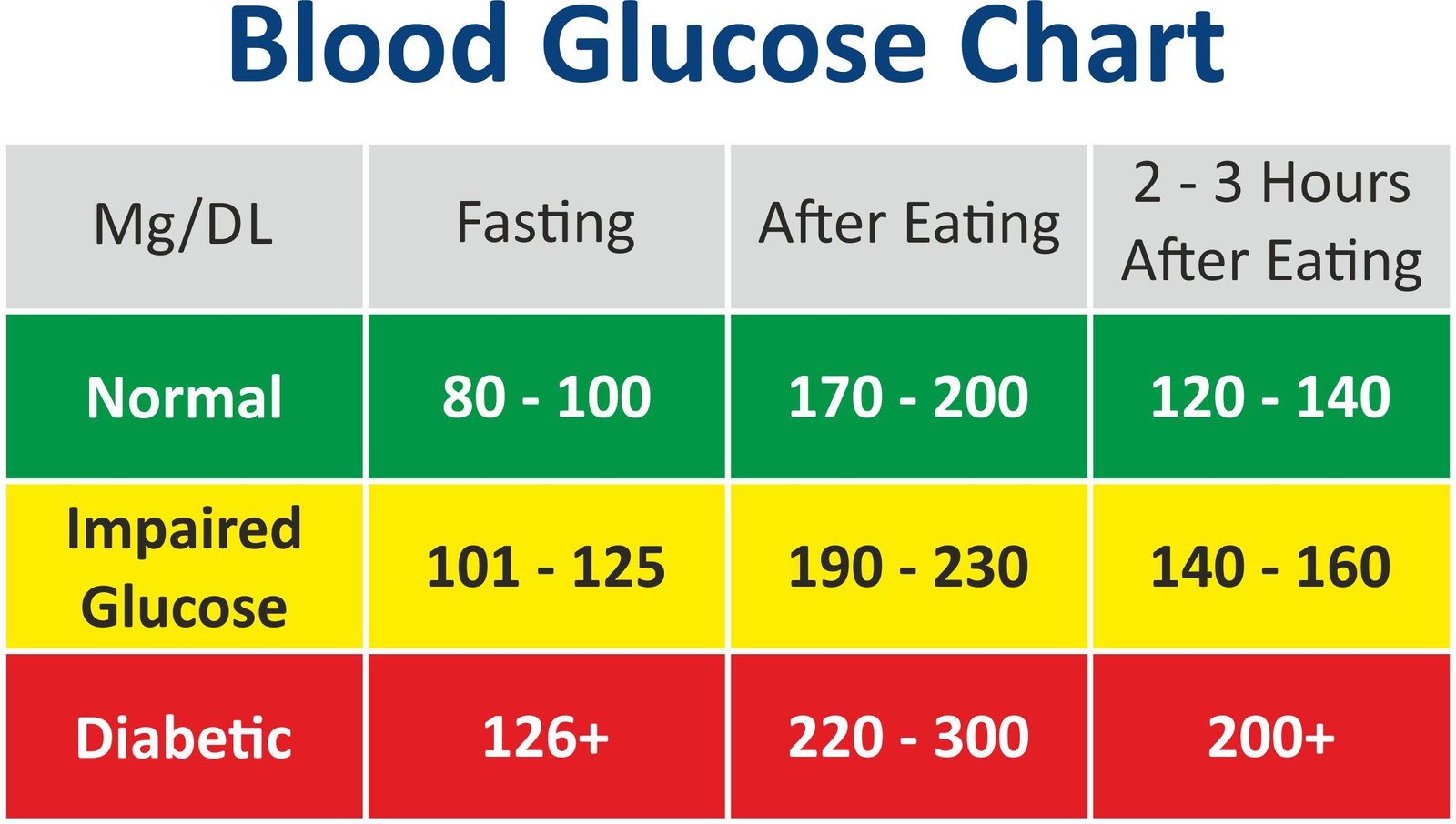
Understanding what qualifies as a normal blood sugar range requires looking at different testing times and conditions. Fasting levels, post-meal readings, and random tests all provide valuable insights into how your body processes glucose. A1C tests, which reflect average blood sugar over several months, offer a broader picture of long-term control.
Consistency is key when interpreting these results. Small variations are normal, but frequent spikes or drops may signal underlying issues. This blood sugar level chart guide helps you differentiate between temporary fluctuations and patterns that require medical attention, ensuring that your monitoring efforts are both accurate and meaningful.
Dangerous Blood Sugar Levels and Warning Signs
Blood sugar becomes dangerous when it moves too far outside the normal range. Low levels, known as hypoglycemia, can cause immediate symptoms such as dizziness, confusion, and weakness. On the other hand, high levels, or hyperglycemia, can lead to long-term complications if left untreated.
Recognizing warning signs early is essential for preventing serious health risks. Severe cases may result in medical emergencies, including loss of consciousness or organ damage. By using a blood sugar level chart guide, you can quickly identify dangerous readings and take appropriate action before the situation worsens.
Low Blood Sugar Causes and Symptoms
Low blood sugar occurs when glucose levels drop below the body’s needs, often due to skipped meals, excessive medication, or intense physical activity. It can also affect individuals without diabetes, especially in cases of poor diet or hormonal imbalances. Understanding the causes helps you prevent sudden drops and maintain stability.
Symptoms of low blood sugar can develop quickly and may include sweating, shaking, confusion, and fatigue. If not treated promptly, these symptoms can escalate into more serious conditions. Referring to a blood sugar level chart guide allows you to confirm whether your symptoms align with low glucose levels and take immediate corrective steps.
High Blood Sugar Symptoms and Health Risks
High blood sugar is a common concern, particularly for individuals with diabetes. It occurs when the body cannot effectively use insulin, leading to an accumulation of glucose in the bloodstream. Factors such as stress, illness, and poor dietary choices can also contribute to elevated levels.
Symptoms often include increased thirst, frequent urination, and blurred vision. Over time, persistent high blood sugar can damage organs and increase the risk of serious complications. This blood sugar level chart guide helps you monitor these levels consistently, enabling you to take preventive measures and maintain better control over your health.
How to Lower Blood Sugar Safely and Effectively
Lowering blood sugar requires a combination of immediate actions and long-term strategies. Drinking water, engaging in light physical activity, and avoiding sugary foods can help bring levels down quickly. For individuals with diabetes, medication adjustments may also be necessary under medical supervision.
Sustainable control involves adopting healthy habits such as balanced nutrition and regular exercise. Monitoring your progress using a blood sugar level chart guide ensures that your efforts are effective and aligned with recommended targets. This approach not only improves daily well-being but also reduces the risk of future complications.
Blood Sugar Monitoring and Modern Devices
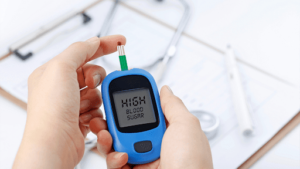
Regular monitoring is essential for maintaining healthy blood sugar levels. Traditional glucose meters, which use a finger-prick method, provide accurate and immediate results. These devices are widely accessible and remain a reliable choice for daily tracking.
Advancements in technology have introduced continuous glucose monitors that offer real-time data without frequent finger pricks. These devices provide detailed insights into trends and patterns, making it easier to manage fluctuations. Combining these tools with a blood sugar level chart guide enhances your ability to track and interpret your readings effectively.
Tips for Maintaining Healthy Blood Sugar Levels
Maintaining stable blood sugar levels requires consistent lifestyle choices. A balanced diet rich in whole foods, combined with regular physical activity, helps regulate glucose effectively. Managing stress and getting adequate sleep also play a crucial role in keeping levels within a healthy range.
Routine health checkups and mindful eating habits further support long-term stability. By following these practices and referring to a blood sugar level chart guide, you can maintain better control over your health and reduce the likelihood of developing serious conditions.
Common Mistakes in Blood Sugar Management
Many people struggle with blood sugar management due to avoidable mistakes. Skipping meals, ignoring symptoms, and inconsistent monitoring can lead to unpredictable fluctuations. These habits not only affect daily energy levels but also increase the risk of long-term complications.
Another common issue is relying on quick fixes instead of adopting sustainable habits. Effective management requires a structured approach and regular tracking. Using a blood sugar level chart guide helps you stay consistent, avoid errors, and build a reliable routine that supports overall health.
Conclusion
Understanding your blood sugar levels is a powerful step toward better health. This comprehensive blood sugar level chart guide equips you with the knowledge needed to interpret readings, recognize warning signs, and take proactive measures. Whether you are managing a condition or focusing on prevention, consistent monitoring is essential.
By combining accurate tracking with healthy lifestyle choices, you can maintain stable glucose levels and improve your quality of life. Always seek professional medical advice when needed, and use this guide as a dependable resource for ongoing awareness and control.
You may also read: Diet: Foods That Help Control Glucose Levels