Proper hydration is a pillar of a successful weight-loss plan. Many individuals focus entirely on dietary changes and exercise regimes, often overlooking how fluid intake affects metabolic efficiency and appetite regulation. Clinical data show that staying hydrated can help manage hunger and boost energy expenditure. Individuals often ask specific questions about how to manage their fluid schedules effectively. Common queries include whether water temperature affects fat loss, how much fluid is needed to suppress appetite, and how the choice of vessel influences overall success. This article provides clear answers to these questions and offers a practical guide to selecting the ideal equipment for your daily wellness journey. Increasing your fluid intake is an accessible way to support your calorie deficit, provided you establish consistent habits.
Common Hydration Questions and Clear Answers
To understand how fluids aid weight reduction, it is helpful to examine their direct metabolic effects. A common question is whether drinking water can directly burn calories. Studies indicate that drinking half a litre of water can temporarily elevate resting metabolism by up to thirty per cent for about an hour. This effect is slightly more pronounced with chilled water, as the body expends energy to warm the fluid to core temperature. However, the difference is minimal, so total daily volume remains the primary priority.
Another common question concerns appetite control. Drinking water before meals increases the stomach’s physical volume, which can heighten feelings of fullness and reduce subsequent food intake. Research shows that middle-aged and older adults who drink half a litre of water 30 minutes before main meals lose more weight over 12 weeks than those who do not.
Finally, individuals wonder how much water they should consume daily. While the standard recommendation for UK adults is around two to two and a half litres, those engaging in physical exercise or following specific weight management programmes often require more to balance sweat loss and support tissue recovery.
Why Specific Water Bottles Support Daily Hydration Targets
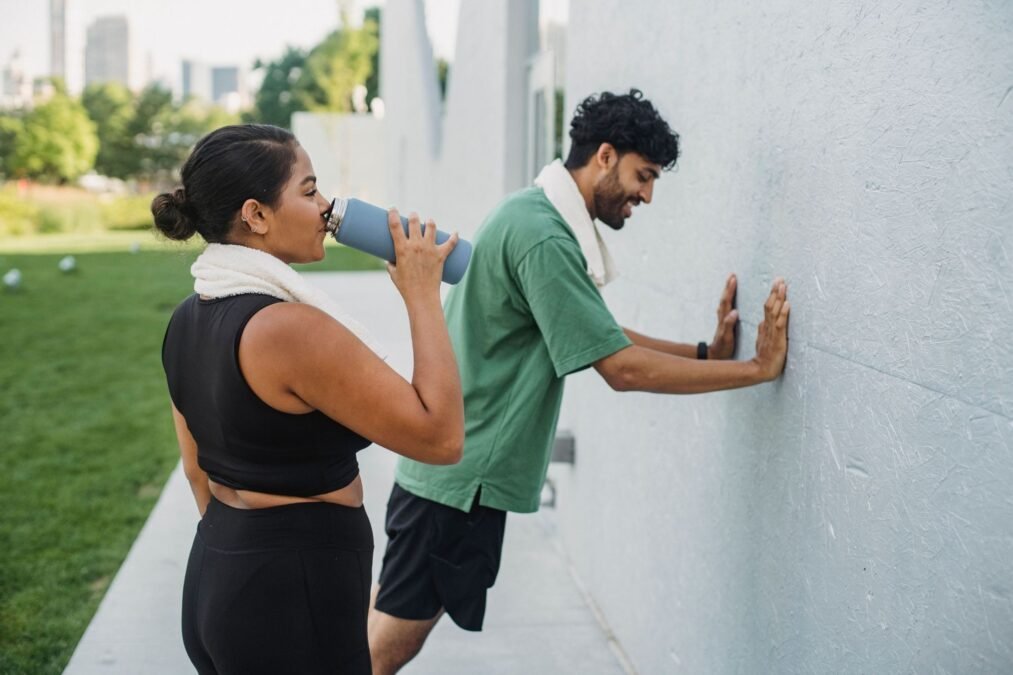
Establishing a permanent change in drinking habits requires environmental cues that prompt action throughout the day. Visual reminders are highly effective tools for behavioural modification. Keeping a vessel visible on your desk or in your bag acts as a constant psychological trigger, encouraging regular sips before thirst even develops. Relying on single-use plastic options is often counterproductive, as they lack insulation and degrade quickly, which discourages long-term adherence to a structured wellness routine.
Selecting high-quality reusable water bottles offers a practical solution for maintaining hydration consistency. For instance, options like reusable water bottles provide a highly functional tool for tracking progress; each purchase funds the collection of 1,000 ocean-bound plastic bottles. This unique combination of ecological responsibility and personal health utility creates a positive loop, making the daily habit feel rewarding on multiple levels. Having a dedicated container lets you precisely measure how many refills you need to meet your daily target, removing guesswork from your tracking process. When fluid tracking becomes measurable, maintaining a consistent calorie deficit becomes simpler, as individuals can clearly differentiate between true physiological hunger and mild dehydration.
Material Considerations and Structural Integrity
The material of your container plays a significant role in how frequently you use it. Different substances offer distinct advantages and disadvantages in terms of cleanliness, safety, and temperature retention.
Stainless Steel Containers
Vacuum-insulated stainless steel is widely regarded as an exceptional option for weight management contexts. The primary advantage is temperature control. Double-walled insulation keeps water ice-cold for up to twenty-four hours, which is highly beneficial for individuals who prefer chilled fluids to support their metabolic rate or to refresh themselves during intense exercise sessions. Stainless steel is completely inert, meaning it will not leach chemicals into your beverage, and it resists structural damage from accidental drops, ensuring a long lifespan.
Borosilicate Glass Options
Glass provides an incredibly clean drinking experience because it does not alter the water’s taste. This can be helpful for individuals who are sensitive to metallic or plastic flavours and require absolute purity to encourage high-volume consumption. Borosilicate glass is resistant to thermal shock, meaning it can handle both hot and cold liquids. However, despite protective silicone sleeves, glass remains fragile and heavy, making it less suitable for gym bags or active commuting.
BPA-Free Plastics
Lightweight plastic containers are highly portable and affordable. For those tracking precise volumes, clear plastic allows for immediate visual confirmation of how much liquid remains. It is vital to select options certified as BPA-free and BPS-free to avoid endocrine-disrupting chemicals that could potentially interfere with metabolic health. While convenient, plastic lacks insulating properties, so cold water quickly warms to room temperature, which some people find unappealing.
Functional Design Elements That Encourage Regular Use
Beyond the basic material, specific design characteristics can either assist or hinder your daily fluid consumption targets. Small features influence how easily you can incorporate drinking into a busy schedule.
Lid Mechanics and Flow Rate
The type of opening dictates how quickly and comfortably you can hydrate. Screw-top lids provide a secure seal but require two hands to open, which can disrupt activities like driving or operating gym machinery. Straw lids and flip-top mechanisms allow for rapid, one-handed operation, which often increases the frequency of small sips throughout the day. A smooth, steady flow rate ensures you can consume significant volumes without swallowing excess air, preventing abdominal bloating.
Portability and Carrying Solutions
A vessel is only effective if it accompanies you to your workplace, gym, or outdoor activities. Integrated carry loops, comfortable handles, or sleek shapes that fit standard car cup holders and bicycle cages make transport effortless. If a flask is uncomfortable to carry or leaks when placed horizontally in a backpack, it is likely to be left at home, directly undermining your hydration objectives.
Behavioural Strategies to Align Hydration with Weight Loss
To maximise the benefits of your chosen container, it is useful to implement structured habits that link drinking with specific daily actions. This method reduces the reliance on pure willpower.
The Habit Stacking Technique
Habit stacking involves pairing a new desired behaviour with an existing, well-established routine. For example, fill your container to the top immediately after completing your teeth in the morning. Alternatively, commit to drinking a full three hundred millilitres of water every time you sit down at your office desk or step into a meeting. Connecting hydration to these automatic triggers ensures consistent fluid intake without requiring conscious effort.
Pre-Meal Volumising
Strategically using your flask before meals can significantly lower your calorie intake. Make it a strict rule to consume a specified volume of water twenty minutes before lunch and dinner. This creates physical distension in the stomach, sending early satiety signals to the brain. Consequently, you are far more likely to practice portion control naturally, reducing the risk of overeating during the meal.
Replacing Liquid Calories
One of the fastest ways to create a calorie deficit is to replace sweetened beverages with pure water. Fruit juices, fizzy drinks, and sweetened coffees contribute substantial hidden calories that do not promote satiety. By keeping an appealing, well-insulated flask of crisp water nearby, you can satisfy the psychological urge to sip on something without consuming unnecessary sugar and energy.
A Sustainable Approach to Personal Health
Achieving long-term weight management is built on a foundation of sustainable, daily choices rather than extreme, short-term restrictions. Proper hydration is a straightforward yet powerful mechanism that supports metabolic function, aids appetite regulation, and enhances physical energy levels during exercise. By selecting an appropriate reusable container that satisfies your specific preferences for temperature, material, and portability, you eliminate common friction points that lead to dehydration. Investing in the right tools makes a healthy lifestyle feel seamless and integrated, allowing you to focus your energy on achieving your long-term fitness goals with confidence.