A weight loss journey can be exciting at the beginning, but many people lose motivation when they struggle to see immediate results. This is where a weight loss progress tracker becomes valuable. Instead of relying on occasional weigh-ins or personal observations, a tracking system provides measurable data that helps you understand how your body is changing over time. Whether your goal is to lose a few pounds, improve your fitness level, or achieve a complete body transformation, tracking progress helps you stay focused and informed.
Using a weight loss progress tracker allows you to record important information such as body weight, measurements, exercise performance, and lifestyle habits. These records create a clear picture of your progress and help you identify what is working effectively. Rather than making decisions based on assumptions, you can use real data to adjust your nutrition plan, exercise routine, and daily habits. This approach improves consistency and increases the likelihood of achieving long-term results.
Why Tracking Weight Loss Progress Matters
Many people assume that the number on the scale is the only indicator of success. While body weight can provide useful information, it does not tell the complete story. Factors such as water retention, muscle gain, and hormonal changes can cause weight fluctuations that may not accurately reflect fat loss. A well-designed weight loss progress tracker helps you monitor multiple indicators, allowing you to evaluate your progress more accurately.
Tracking also creates accountability. When you record your results regularly, you become more aware of your behaviors and choices. This awareness often leads to better decision-making and increased motivation. People who consistently monitor their progress tend to remain focused on their goals because they can clearly see how their efforts are contributing to positive outcomes over time.
Benefits of Using a Weight Loss Progress Tracker
One of the biggest advantages of using a weight loss progress tracker is motivation. Seeing measurable improvements, even small ones, can provide encouragement during periods when progress feels slow. Tracking allows you to recognize achievements that might otherwise go unnoticed, such as a reduced waist measurement, improved endurance, or healthier eating habits.
Another important benefit is the ability to identify trends. By reviewing weeks or months of recorded data, you can determine which habits support your goals and which ones may be slowing your progress. This information helps you make informed adjustments and avoid repeating ineffective strategies. Over time, tracking creates a personalized roadmap that supports sustainable weight management and healthier lifestyle choices.
Important Metrics to Include in Your Tracker

Body weight remains one of the most commonly tracked metrics because it provides a quick overview of progress. However, it should be measured consistently under similar conditions for the most reliable results. Weekly weigh-ins are often preferred because they help reduce the emotional impact of daily fluctuations while still providing useful information about long-term trends.
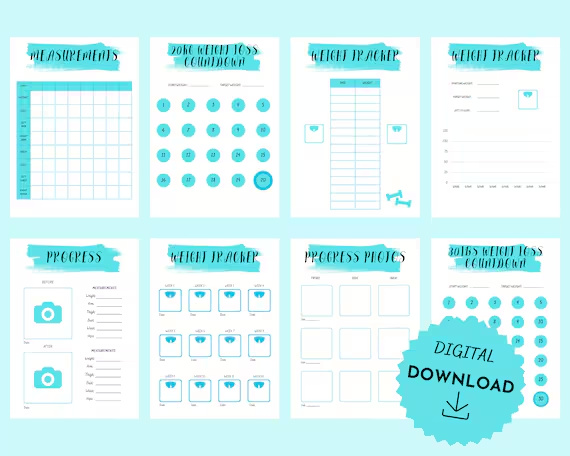
Body measurements are equally important because they often reveal changes that the scale cannot. Tracking the waist, hips, thighs, chest, and arms can provide a more complete picture of body composition changes. Many people discover that they are losing inches even when their weight remains relatively stable. This can be particularly common among individuals who combine strength training with a healthy eating plan.
The Value of Progress Photos
Progress photos are one of the most effective tools available for monitoring physical changes. While numbers and measurements provide valuable information, photographs offer visual evidence of transformation. Taking photos from multiple angles every few weeks can help you recognize improvements that may not be obvious when looking in the mirror each day.
Consistency is important when taking progress photos. Wearing similar clothing, using the same lighting conditions, and standing in the same position can make comparisons more accurate. Over time, these images create a visual timeline of your journey and can serve as a powerful source of motivation when progress feels slow or difficult to notice.
Choosing the Right Weight Loss Progress Tracker
There are many different types of tracking systems available, and the best option depends on your personal preferences. Digital apps are popular because they offer convenience, automation, and visual charts that make it easy to monitor trends. Many apps also integrate with fitness devices, allowing users to track activity levels, calorie intake, and body weight in one location.
Some individuals prefer spreadsheets because they provide greater customization and control. Others enjoy printable journals that allow them to physically record their progress by hand. The ideal weight loss progress tracker is not necessarily the most advanced option. Instead, it is the one that you can use consistently and comfortably over an extended period.
How to Use a Tracker Effectively
A successful tracking routine begins with setting realistic and measurable goals. Instead of focusing only on a target weight, consider including goals related to body measurements, physical performance, and healthy habits. A broader range of goals creates more opportunities to recognize success and maintain motivation throughout the journey.
Consistency is another critical factor. Recording information at regular intervals ensures that your data remains accurate and meaningful. It is also important to focus on long-term trends rather than short-term changes. Temporary fluctuations are normal and should not be viewed as failures. Looking at progress over several weeks or months provides a more realistic assessment of your results.
Common Tracking Mistakes to Avoid
One of the most common mistakes people make is becoming overly focused on daily weight changes. Weight can fluctuate significantly due to hydration levels, food intake, and other factors that have little to do with actual fat loss. Reacting emotionally to these fluctuations can lead to frustration and unnecessary stress, making it harder to stay committed to long-term goals.
Another mistake is ignoring non-scale victories. Improvements in energy levels, physical fitness, sleep quality, and confidence are all meaningful signs of progress. A comprehensive weight loss progress tracker should capture these achievements alongside traditional measurements. Doing so creates a more balanced perspective and highlights the many ways your health can improve during the weight loss process.
Staying Motivated Throughout Your Journey
Maintaining motivation over an extended period can be challenging, especially when results are gradual. A weight loss progress tracker helps address this challenge by providing clear evidence of improvement. Even during difficult weeks, reviewing past achievements can remind you how far you have come and reinforce your commitment to your goals.
Celebrating small milestones is another effective way to stay motivated. Reaching a measurement goal, completing a fitness challenge, or maintaining healthy habits for several weeks deserves recognition. These celebrations create positive reinforcement and help transform weight loss from a temporary project into a sustainable lifestyle change that supports long-term health and well-being.
Conclusion
A weight loss progress tracker is far more than a simple record of body weight. It is a practical tool that helps you understand your progress, maintain accountability, and make informed decisions throughout your health journey. By tracking multiple metrics, including body measurements, fitness performance, and progress photos, you gain a more complete understanding of how your body is changing over time.
The most effective tracking system is one that fits naturally into your lifestyle and encourages consistent use. Whether you choose a mobile application, spreadsheet, journal, or smart device, the key is to focus on long-term trends rather than short-term fluctuations. With patience, consistency, and accurate tracking, you can build healthier habits, stay motivated, and achieve lasting results that extend far beyond the number on the scale.
You may also read: Understanding BMI Categories and BMI Charts