Finding an unexpected, irritated red mark on your skin can instantly trigger anxiety, especially if you have recently noticed news stories detailing shifting insect populations across the country. If you suspect that a local arachnid has nipped you, it is completely natural to feel a bit uneasy given the sensationalized headlines frequently circulating on social media platforms. Over the past few years, public discussions regarding the spider bite uk phenomenon have steadily climbed as more people seek clarity on what is happening in their homes.
However, before allowing panic to take over, it is incredibly important to separate dramatic tabloid myths from actual clinical realities. While official NHS data does indicate a slight upward trend in minor hospital admissions related to spider encounters over the last decade, the British Isles remain remarkably safe. The vast majority of native arachnids simply do not possess the physical capability or the venom strength to harm humans. This comprehensive guide will equip you with the exact knowledge needed to identify symptoms, administer home first aid, and recognize when it is truly time to seek professional medical advice.
What Does a UK Spider Bite Look Like?
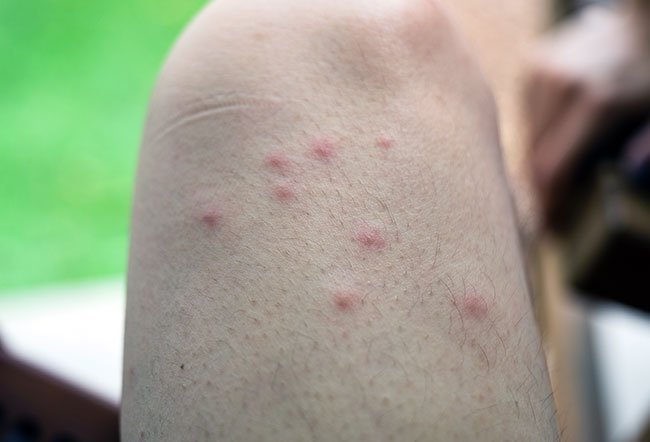
Pinpointing a genuine spider bite uk can be quite challenging because the localized skin reaction looks nearly identical to the marks left behind by common biting insects. Typically, a minor arachnid bite manifests as a solitary, slightly raised red bump that feels warm to the touch and causes a mild, itchy sensation. For the vast majority of people, the initial physical feeling mimics a minor bee or wasp sting, resulting in a brief flash of discomfort that peaks quickly before gradually fading away into a dull ache.
A widespread misconception is that you must look for two distinct puncture marks to confirm that a spider was the culprit behind the irritation. In reality, the fangs of almost all native British spiders are far too microscopic to leave visible dual entry points that the naked human eye can easily discern. Instead of searching for tiny holes, you should analyze the overall pattern of the irritation; unlike fleas, bedbugs, or midges which traditionally strike in clusters or long straight lines, an arachnid bite is almost always an isolated, singular event on the body.
Which Spiders Actually Bite in the UK?
While there are well over 600 unique spider species weaving webs across the countryside, only a very small handful possess fangs powerful enough to pierce human skin. The species generating the most media attention is the Noble False Widow (Steatoda nobilis), identifiable by its bulbous, dark brown abdomen adorned with distinctive cream-coloured markings that occasionally resemble a skull. It is vital to understand that these creatures are notoriously timid by nature and will only strike defensively if they are accidentally trapped against your bare skin inside clothing or bedsheets.
Beyond the widely discussed False Widow, you might occasionally cross paths with a Woodlouse Spider, recognizable by its striking reddish body and large jaws, or the large but harmless Cardinal Spider. A defensive nip from either of these species can certainly cause a sharp, localized throbbing sensation, but the venom itself contains no dangerous toxins for humans. It is incredibly reassuring to remember that highly dangerous global species, such as the notorious Brown Recluse or the Black Widow, are completely absent from the native British ecosystems.
Step-by-Step First Aid for a Spider Bite
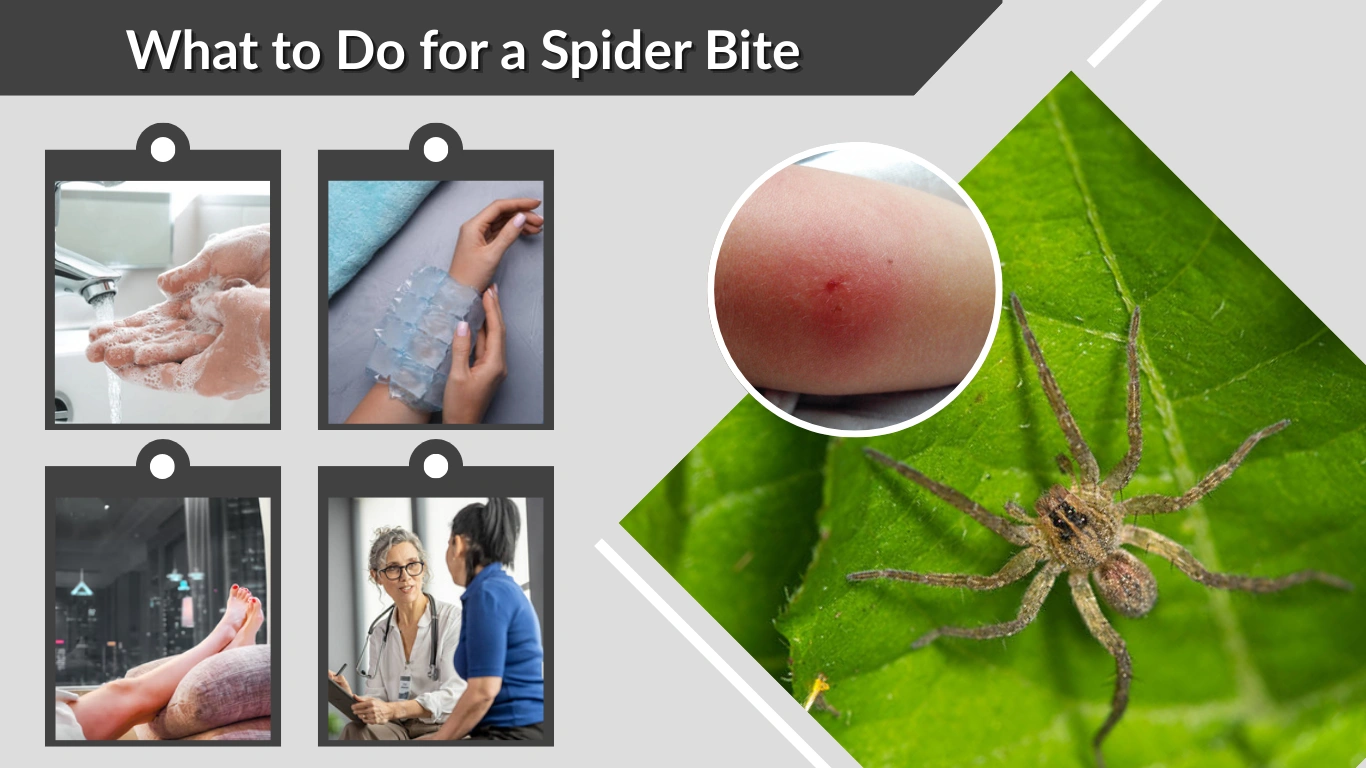
If you happen to experience a suspected spider bite uk, taking immediate and correct first-aid measures at home will ensure the wound heals rapidly without any further complications. The absolute first step is to gently wash the affected area using cool water and mild soap to wash away any surface bacteria and keep the skin barrier clean. Following this, wrap an ice pack or a bag of frozen peas in a clean towel and apply it firmly to the swelling for roughly ten minutes to constrict the blood vessels and reduce the localized throbbing.
If the area continues to burn or itch uncomfortably, over-the-counter painkillers like paracetamol or ibuprofen can provide swift relief, while an antihistamine can calm the inflammation. The most critical directive during this entire recovery phase is to absolutely resist the temptation to scratch the bite area, regardless of how intense the itching becomes. Scratching tears the delicate, protective layers of the skin, which introduces harmful external bacteria from under your fingernails directly into the wound and creates unnecessary medical complications.
Spotting the Signs of Infection
Understanding exactly when a standard spider bite uk transforms from a mild, temporary annoyance into a genuine health concern is vital for your long-term peace of mind. The actual venom injected by a native British arachnid rarely causes lasting tissue damage; instead, the primary medical threat comes from secondary bacterial skin infections like cellulitis. These complicating infections usually develop days after the initial incident simply because the wound was scratched aggressively or left uncleaned in the environment.
You should proactively contact your local GP surgery or call the NHS 111 service if you notice the redness rapidly expanding outward from the original center of the bite. Other prominent red flags include the wound beginning to ooze thick yellow or green pus, the surrounding skin becoming intensely hot, hard, and painful to the touch, or you developing a sudden fever. Spotting these early warning signs of a bacterial invasion ensures you receive swift antibiotic treatment before the condition escalates into something more serious.
Anaphylaxis and Severe Emergencies
While the overwhelming majority of arachnid encounters end with nothing more than minor skin irritation, a tiny percentage of the population might experience a severe systemic allergic reaction. Known within the medical community as anaphylaxis, this rapid and dangerous response is triggered by an individual’s unique immune system hypersensitivity rather than the intrinsic toxicity of the venom itself. Because it impacts the entire body, it represents a time-sensitive emergency that demands immediate intervention from emergency medical professionals.
You must dial 999 immediately if you or someone near you experiences sudden difficulty breathing, a severely tight chest, or loud wheezing shortly after a suspected bite. Other critical symptoms that require emergency care include visible swelling of the lips, tongue, or throat, accompanied by severe dizziness, confusion, or a sudden fainting spell. Please do not attempt to drive to an emergency room yourself or wait for a standard GP callback if these life-threatening indicators manifest.
How to Prevent Spider Bites in Your Home
Minimizing your chances of dealing with an uncomfortable spider bite uk comes down to understanding seasonal arachnid patterns and implementing basic preventative habits around your living spaces. During the late summer and early autumn months, mature spiders naturally wander indoors looking for warmth and potential mates, making encounters slightly more frequent for homeowners. A simple yet highly effective habit is to always thoroughly shake out outdoor shoes, work boots, and heavy gardening gloves before putting them on your body.
Additionally, you can reduce structural risks by pulling your bed frames slightly away from the walls and ensuring that piles of laundry are not left gathering on the bedroom floor. Regularly clearing away accumulated clutter from dark storage spaces like garages, garden sheds, and under-stairs cupboards removes the quiet, undisturbed environments where spiders prefer to build their webs. Sealing small gaps around your windowsills and external doors with silicone sealant also goes a long way toward keeping these helpful insect hunters outside where they belong.
Conclusion
Encountering an arachnid inside your home can certainly be a startling experience, but having a clear understanding of the spider bite uk dynamic completely removes the unnecessary fear. By keeping the small wound perfectly clean, applying cold therapy, and strictly resisting the urge to scratch the skin, almost all bites will naturally resolve on their own within a week. Stay observant for any late-stage signs of bacterial infection, keep your immediate living environment tidy, and rest easy knowing that British spiders are vastly more interested in controlling garden pests than interacting with humans.
Frequently Asked Questions
Can a spider bite in the UK result in fatal consequences?
No, there are absolutely zero verified modern medical reports of anyone passing away directly from the venom of a native British spider species. Any historically severe medical complications or extreme outcomes publicised in the media were entirely caused by untreated secondary bacterial infections, such as progressive sepsis, rather than the chemical nature of the arachnid’s venom itself.
Should I attempt to squeeze or pop a spider bite if it starts to resemble a blister or pimple?
You should absolutely never attempt to squeeze, pop, or puncture a spider bite under any circumstances. Breaking the skin artificially forces dangerous surface bacteria much deeper into the underlying tissue layers, which drastically elevates your risk of developing a painful, rapidly spreading bacterial infection like cellulitis that would require prescription antibiotics.
How many days does a typical UK spider bite take to clear up entirely?
A standard, uninfected spider bite behaves very similarly to a mild midge, horsefly, or wasp sting in terms of duration. The sharp initial pain and burning sensations generally fade away completely within a few hours, while the residual minor red bump, itching, and localized swelling will vanish from the skin within three to seven days.
Do Noble False Widow spiders actively pursue and hunt humans down in their homes?
No, False Widows are incredibly timid, reclusive, and non-aggressive creatures that actively prefer to remain completely hidden away in dark, quiet corners. They possess absolutely no desire to attack humans and will only ever deliver a bite as a desperate, last-resort defensive reflex if they are accidentally compressed inside clothing or rolled onto in bed.
You may also read: The Direct Head-to-Head Comparison: Oral-B iO2 vs. The Market