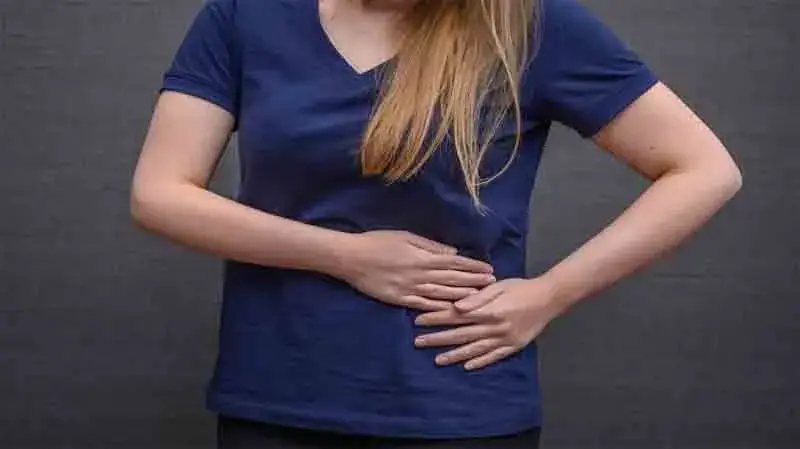
The human body is an intricate masterpiece of biological engineering, and the upper left quadrant of the abdomen serves as a critical junction for several vital organ systems. When you begin to experience persistent or intermittent discomfort in this area, it is essential to first understand the structural landscape. Beneath your lower left rib cage lies the stomach, the spleen, the tail of the pancreas, the left kidney, and a significant portion of the large intestine known as the splenic flexure. Because these organs are packed closely together, pain in this region can sometimes be difficult to pinpoint, which is precisely why medical professionals often ask for detailed descriptions regarding the nature, duration, and specific location of your discomfort.
Beyond the internal organs, the left rib cage acts as a protective shield formed by bone, cartilage, and a complex network of intercostal muscles. It is entirely possible that your discomfort is not organ-related at all, but rather a result of musculoskeletal strain, rib inflammation, or issues with the connective tissues surrounding the chest wall. Recognizing that the left side pain under ribs female patients frequently report can stem from these diverse layers—ranging from digestive organs to simple muscle fatigue—is the foundational step toward achieving a correct diagnosis and finding effective, long-term relief from the symptoms that may be impacting your daily life.
Potential Causes of Left Side Pain Under Ribs Female
There is a wide spectrum of reasons why you might experience discomfort in this specific region, and these causes range from common, benign issues like trapped gas to more complex conditions that require professional medical intervention. Among the most frequent culprits is the digestive system; conditions such as acid reflux, gastritis, or simple constipation can trap gas in the splenic flexure, creating a sharp, sometimes debilitating sensation that feels as though it is coming directly from underneath the rib cage. These digestive issues are often exacerbated by dietary choices, stress, or eating habits, which can lead to bloating and discomfort that specifically manifests on the left side of the upper abdomen.
Beyond the digestive tract, musculoskeletal issues play a significant role in left side pain under ribs female individuals often encounter. Conditions like costochondritis—which is the inflammation of the cartilage connecting your ribs to your breastbone—or even simple intercostal muscle strains from lifting, twisting, or vigorous exercise can result in sharp, stabbing pain that fluctuates with your breathing or torso movement. Furthermore, we must consider organ-specific issues such as an enlarged spleen, left kidney stones, or pancreatitis. Even female-specific gynecological conditions, such as ovarian cysts or endometriosis, can occasionally cause referred pain that is felt higher in the abdomen. Given this broad variety of potential triggers, identifying the precise nature of the pain is essential for selecting the most appropriate path forward.
Identifying Your Pain: When to Seek Medical Attention
Categorizing the type of sensation you are feeling is perhaps the most vital tool you possess for self-assessment and communication with your healthcare provider. For instance, sharp or stabbing sensations are quite frequently associated with respiratory movements, deep inhalation, or specific types of muscle strain. Conversely, a persistent, gnawing, or burning feeling often points toward digestive irregularities like gastroesophageal reflux disease or chronic gastritis. If you feel a deep, heavy, or throbbing ache that does not change regardless of your movement or posture, it may indicate a more significant issue involving your internal organs, such as the kidney or the pancreas.
While many cases of abdominal discomfort are easily managed with rest or lifestyle modifications at home, certain clinical red flags necessitate an immediate trip to the emergency room. If your left side pain under ribs female experience is accompanied by a sustained high fever, persistent or violent vomiting, blood in your stool, noticeable jaundice, or sudden, overwhelming shortness of breath, please seek emergency medical evaluation without delay. Furthermore, if the pain begins to radiate outward toward your left shoulder, arm, or jaw, this must be treated as a high-priority situation to rule out potential cardiac involvement, as the heart is located nearby in the chest cavity.
Left Side Pain Under Ribs During Pregnancy
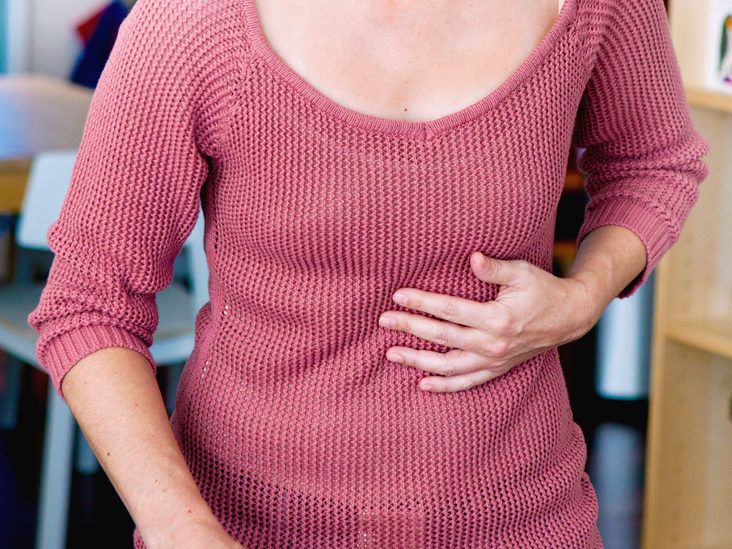
Pregnancy is a transformative period that brings significant physiological changes, many of which can result in physical discomfort in the rib and upper abdominal regions. During the first trimester, hormonal shifts and early digestive system changes are the most common culprits for mild, transient pain. As the pregnancy progresses into the second and third trimesters, the uterus expands significantly, physically displacing internal organs and putting considerable upward pressure on the diaphragm and the lower rib cage. This mechanical shift can lead to sensations of fullness, aching, or sharp pains that are often simply a byproduct of the growing baby.
Many pregnant women report that left side pain under ribs female symptoms during this time are temporary and dissipate once the baby shifts position or when the mother changes posture. However, it is fundamentally important to monitor these sensations with professional oversight. Any persistent or localized abdominal pain should be reported to your obstetrician during your prenatal checkups. Ensuring that these sensations are not related to complications like preeclampsia or severe digestive distress is crucial for your peace of mind and, most importantly, for the safety and health of both you and your developing baby throughout every trimester.
How Doctors Diagnose and Treat the Underlying Cause
When you arrive at a clinic or a primary care office complaining of left side pain under ribs female patients experience, your doctor will likely begin by conducting a thorough physical examination combined with a detailed review of your personal medical history. They may order a range of diagnostic tests, including blood work to check for markers of inflammation or infection, urinalysis to screen for kidney-related issues, or medical imaging such as an abdominal ultrasound, X-ray, or a CT scan. These tools provide the clinical team with a clear, high-resolution picture of the internal environment, allowing them to rule out serious pathology and identify the exact source of your distress.
Treatment plans are ultimately highly individualized and depend entirely upon the final diagnosis provided by your medical team. For instance, common digestive issues are often managed through targeted dietary modifications, stress reduction, and over-the-counter or prescription antacids, while musculoskeletal pain might require a combination of physical therapy, targeted stretches, and anti-inflammatory medication. If a structural concern, such as a large ovarian cyst or kidney stone, is identified as the root cause, your physician will sit down with you to discuss specialized interventions or surgical options. The goal is always to alleviate the discomfort while addressing the underlying condition to prevent future recurrence.
Lifestyle Tips and Home Management
For those instances where the pain is determined to be mild, occasional, or related to manageable lifestyle triggers, simple daily adjustments can make a profound difference in your comfort levels. If your discomfort is frequently linked to digestive issues, consider shifting toward a diet consisting of smaller, more frequent meals to reduce the workload on your stomach and intestines. Incorporating gentle, mindful stretching routines and maintaining strict attention to your daily posture—especially if you spend the majority of your work day sitting at a desk—can drastically mitigate issues caused by prolonged muscle tension, poor rib alignment, or sedentary fatigue.
Tracking your physical symptoms in a dedicated health journal is another excellent strategy for managing your long-term wellness. By taking a few moments each day to note when the pain occurs, what activities you were performing, and which specific foods you recently consumed, you create a valuable dataset that can help your physician identify hidden patterns. Remember, while these home care strategies are incredibly helpful for minor discomforts, professional medical guidance remains the safest and most reliable route for managing left side pain under ribs female cases effectively, ensuring that you are always moving toward a state of optimal health and comfort.
You may also read: Safety First: Crucial Guidelines on When to Start Drinking It