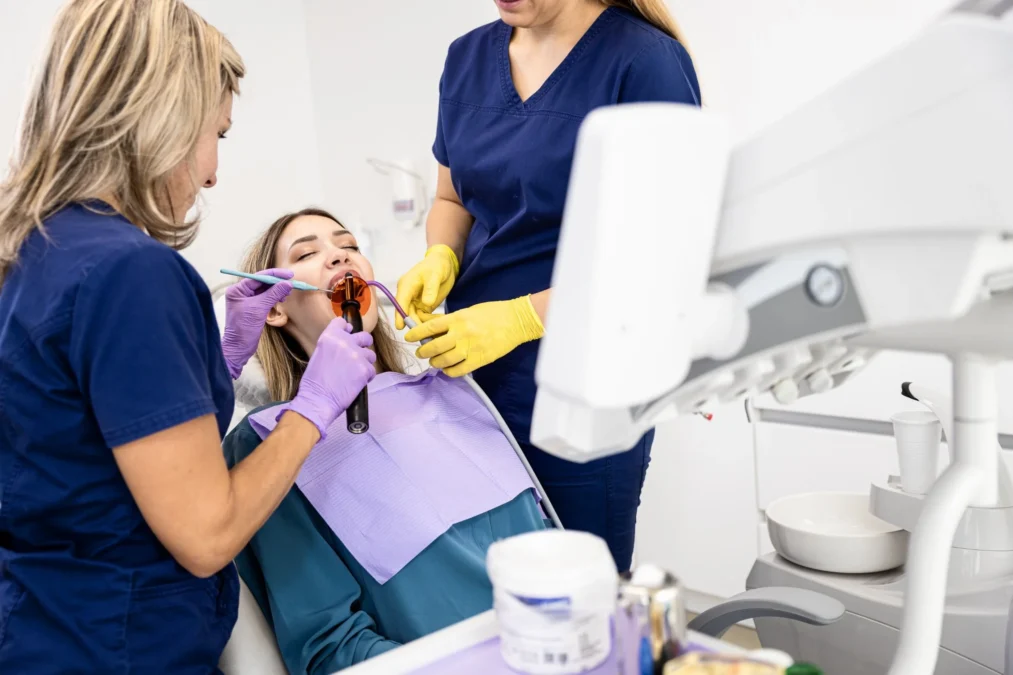
Dental emergencies can occur at any time and often without warning. A sudden toothache, a broken tooth, or a severe infection can quickly disrupt your daily routine and affect your overall well-being. Emergency dental care is designed to provide immediate treatment for urgent oral health problems that require prompt attention. Unlike routine dental visits, emergency appointments focus on relieving pain, controlling infection, and preventing further damage to the teeth, gums, and surrounding tissues.
Many people search for an emergency dentist near me when they experience unexpected dental pain or trauma. These situations can be stressful, especially when symptoms worsen outside normal clinic hours. Access to emergency dental services ensures that patients receive professional care quickly, helping them avoid complications that may develop if treatment is delayed. Early intervention often leads to better outcomes and can save both time and money in the long run.
Why Immediate Dental Treatment Matters
Ignoring a dental emergency can have serious consequences. What may begin as a minor toothache can develop into a severe infection if left untreated. Infections in the mouth can spread to nearby tissues and, in rare cases, affect other parts of the body. Seeking immediate care allows dental professionals to diagnose the issue accurately and provide the most appropriate treatment before the condition becomes more complicated.
Prompt treatment is equally important when dealing with dental injuries. Cracked, chipped, or knocked-out teeth require urgent attention because the chances of saving a damaged tooth often decrease with time. Patients who contact an emergency dentist near me as soon as symptoms appear are more likely to receive successful treatment and avoid extensive restorative procedures in the future. Quick action can make a significant difference in preserving oral health.
Common Dental Emergencies
Severe tooth pain remains one of the most common reasons people seek emergency dental care. Persistent discomfort may indicate tooth decay, nerve inflammation, infection, or damage beneath the surface of the tooth. While over-the-counter pain relievers may provide temporary relief, they do not address the underlying cause. Professional evaluation is necessary to identify the problem and prevent it from worsening.
Other common emergencies include:
- Broken or chipped teeth
- Dental abscesses and infections
- Lost crowns or fillings
- Knocked-out teeth
- Oral injuries from accidents or sports activities
- Bleeding gums or uncontrolled oral bleeding
- Swelling around the jaw or face
- Damage to dental implants or bridges
Swelling, bleeding, and sensitivity should never be ignored because they may signal a serious underlying issue. Individuals searching online for an emergency dentist near me are often dealing with these urgent conditions and require fast, effective treatment to restore comfort and function.
Signs You Should Visit an Emergency Dentist
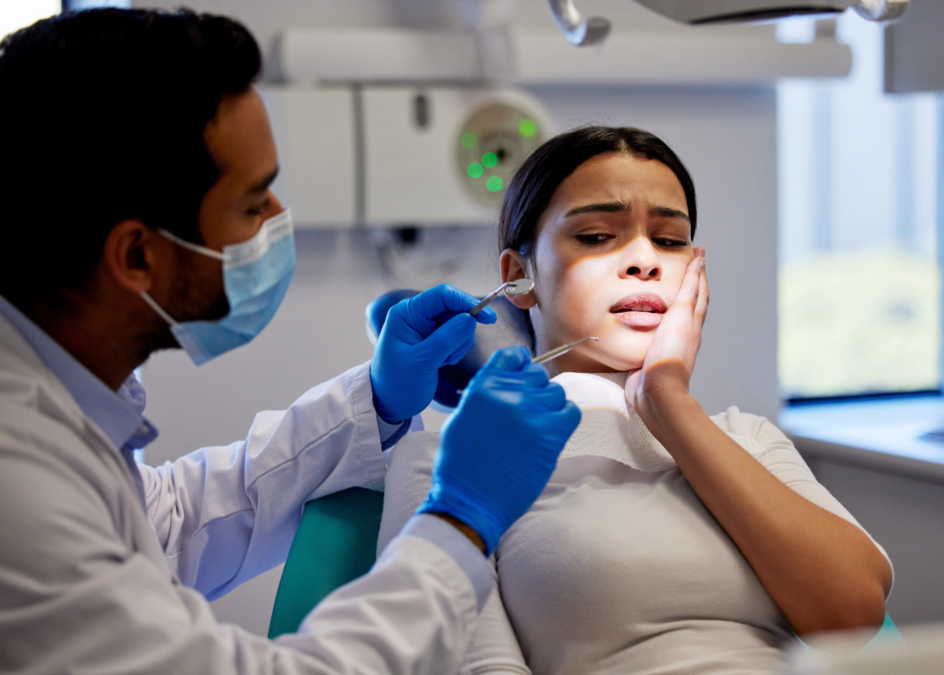
Some dental problems can wait for a regular appointment, while others require immediate attention. Severe pain that does not improve, swelling around the gums or jaw, uncontrolled bleeding, and visible signs of infection are all indicators that emergency care may be necessary. Difficulty chewing, speaking, or opening the mouth comfortably can also suggest a more serious dental condition that should be evaluated without delay.
A knocked-out tooth is one of the clearest examples of a dental emergency. Time is critical in these situations because treatment within the first hour significantly improves the chances of saving the tooth. If you are unsure whether your condition qualifies as an emergency, it is always better to contact an emergency dentist near me for professional guidance rather than risk further complications through delay.
Emergency Dental Services Available in the UK
Modern emergency dental clinics across the UK offer a wide range of treatments to address urgent oral health concerns. Services may include:
| Service | Description |
|---|---|
| Emergency examinations | Immediate assessment of dental issues |
| Digital X-rays | Quick and accurate diagnosis |
| Root canal therapy | Treatment for infected or damaged nerves |
| Tooth extractions | Removal of severely damaged teeth |
| Temporary restorations | Repair of crowns, fillings, and bridges |
| Infection management | Antibiotics and drainage for abscesses |
| Pain relief | Immediate treatment for severe discomfort |
| Trauma care | Treatment for sports and accident injuries |
Advanced dental technology has improved the speed and accuracy of emergency treatment. Digital imaging systems, modern diagnostic tools, and minimally invasive techniques allow dentists to create effective treatment plans during urgent visits. Whether a patient requires immediate pain relief or a complex procedure, emergency dental services are focused on restoring oral health as efficiently as possible.
How to Access NHS Emergency Dental Care in the UK
In the United Kingdom, patients have several options for accessing emergency dental care:
NHS Emergency Dental Services
- Call NHS 111 – Available 24/7 to assess your condition and direct you to the nearest emergency dental service
- NHS urgent dental care centres – Dedicated facilities providing emergency treatment across the UK
- Out-of-hours dental services – Available evenings, weekends, and bank holidays
- Local dental hospitals – Often provide emergency care, particularly for complex cases
Private Emergency Dental Services
- Many private dental practices offer same-day emergency appointments
- Extended opening hours and weekend availability
- Direct access without referral
- Often shorter waiting times compared to NHS services
Benefits of Choosing a Local Emergency Dentist in the UK
Selecting a local dental clinic can be extremely beneficial during an emergency. Short travel times mean patients can receive treatment faster, reducing the risk of complications and unnecessary discomfort. In urgent situations, every minute matters, especially when dealing with infections, trauma, or a knocked-out tooth that requires immediate attention.
A local provider also offers greater convenience for follow-up visits and ongoing care. Many patients prefer working with a dental team that understands the needs of the community and can provide personalized treatment recommendations. When searching for an emergency dentist near me, choosing a trusted local clinic can create a more comfortable and reliable healthcare experience.
What to Do Before Reaching the Clinic
The steps taken immediately after a dental emergency can influence treatment success:
For Severe Toothache:
- Gently rinse your mouth with warm water
- Remove any food particles that may be trapped between teeth
- Apply a cold compress to the outside of the cheek for swelling
- Avoid applying medication directly to the gums unless instructed by a dental professional
For a Knocked-Out Tooth:
- Handle it carefully by the crown (the white part)
- Avoid touching the root
- If possible, place the tooth back into the socket
- Alternatively, store it in milk or saline solution
- Contact your emergency dentist immediately
For Bleeding:
- Apply gentle pressure with clean gauze
- Rinse with cold water
- Seek immediate dental attention if bleeding persists
Patients looking for an emergency dentist near me should contact the dental office immediately for instructions. Taking the correct first-aid measures can improve the likelihood of a successful outcome.
Understanding the Cost of Emergency Dental Care in the UK
NHS Emergency Dental Charges
- NHS dental charges are standardised across England, Wales, Scotland, and Northern Ireland
- England (as of 2025): Emergency appointments typically fall under Band 1 charges (£26.80)
- Scotland, Wales, Northern Ireland: Varying charges but generally lower than private treatment
- Exemptions available for children, students, pregnant women, and those on certain benefits
Private Emergency Dental Charges
- Vary significantly between practices
- Typically range from £50 to £200 for emergency consultation
- Additional costs for X-rays, treatment, and medications
- Many practices offer transparent pricing and payment plans
Factors Affecting Cost:
| Treatment | Estimated Cost Range (Private) |
|---|---|
| Emergency consultation | £50 – £150 |
| Digital X-rays | £30 – £80 |
| Tooth extraction | £150 – £350 |
| Root canal therapy | £300 – £1,200 |
| Temporary crown repair | £100 – £300 |
| Infection treatment | £50 – £150 |
While cost is an important consideration, delaying care often leads to more serious problems that require more extensive treatment. Investing in prompt professional care can help prevent complications and reduce future expenses.
How to Prevent Future Dental Emergencies
Preventive care plays a crucial role in reducing the likelihood of unexpected dental problems:
Daily Oral Hygiene
- Brush twice daily with fluoride toothpaste
- Floss daily to remove plaque between teeth
- Use an antibacterial mouthwash
- Clean your tongue regularly
Regular Dental Checkups
- Visit your dentist every 6-12 months
- Professional cleaning removes hardened plaque
- Early detection of dental problems
- Professional advice on oral health maintenance
Protective Measures
- Wear a custom-fitted mouthguard for contact sports
- Use a night guard if you grind your teeth
- Avoid using your teeth to open packages or bottles
- Don’t chew ice, hard sweets, or other hard objects
Healthy Diet
- Limit sugary foods and drinks
- Stay hydrated with water
- Eat calcium-rich foods for strong teeth
- Include vitamin D for healthy gums
Routine examinations allow dentists to detect early signs of decay, gum disease, and structural damage that may otherwise go unnoticed.
Finding the Best Emergency Dentist Near Me in the UK
Choosing the right dental provider requires careful consideration of experience, availability, and patient satisfaction:
What to Look For:
- Reputable clinic with positive patient reviews
- Experienced dentists with emergency care expertise
- Timely appointments with minimal waiting
- Modern treatment options and diagnostic equipment
- Clear communication throughout the care process
- Transparent pricing with no hidden costs
- Accessibility including public transport links and parking
Where to Search:
- NHS website – Find local NHS dental services
- Dental Council – Verify registered dentists
- Online review platforms – Read patient experiences
- Local recommendations – Ask friends and family
- Emergency dental hotlines – NHS 111 for immediate guidance
Questions to Ask Before Booking:
- Do you accept new NHS patients?
- What are your out-of-hours arrangements?
- Do you have facilities for children?
- What emergency treatments can you provide?
- What are your fees for emergency care?
When searching for the best emergency dentist near me, look for a clinic that prioritises patient comfort and provides comprehensive emergency services. Accessibility, expertise, and a commitment to high-quality care are essential factors that contribute to a positive treatment experience.
Dental Emergencies in Children
Children are particularly prone to dental injuries and require special consideration:
Common Childhood Emergencies:
- Knocked-out baby teeth – Contact a dentist, but replanting is not recommended
- Knocked-out permanent teeth – Replant or store in milk immediately
- Chipped or fractured teeth – Assessment needed to check nerve damage
- Severe toothache – May indicate decay or infection
Child-Specific Care:
- Paediatric dentists are specially trained
- Child-friendly environments reduce anxiety
- Different treatment protocols for developing teeth
- Preventive advice for parents
NHS Children’s Dental Care:
- Free NHS dental care for children under 18
- Regular checkups recommended from age 1
- Emergency services available through NHS 111
Conclusion
Dental emergencies can happen unexpectedly, but knowing where to seek help can make all the difference. Immediate treatment helps relieve pain, prevent complications, and protect your long-term oral health. Whether you are dealing with a severe toothache, a damaged tooth, or a dental infection, professional emergency care provides the support needed during stressful situations.
Finding a trusted emergency dentist near me in the UK ensures that expert care is available whenever urgent dental problems arise. By understanding the signs of a dental emergency, taking preventive measures, and acting quickly when symptoms appear, patients can maintain healthier smiles and avoid unnecessary complications in the future.
Frequently Asked Questions
What qualifies as a dental emergency?
A dental emergency includes severe tooth pain, knocked-out teeth, dental abscesses, excessive bleeding, facial swelling, and injuries affecting the teeth or gums. Any condition causing significant pain or risk to oral health should be evaluated promptly.
Can I visit an emergency dentist without an appointment?
Many emergency dental clinics accept walk-in patients and provide same-day appointments for urgent situations. However, calling ahead may help the clinic prepare for your arrival and reduce waiting times.
How quickly should I seek treatment for a knocked-out tooth?
Treatment should be sought immediately, ideally within 30 to 60 minutes. Fast action greatly improves the chances of successfully saving and reattaching the tooth.
Are dental infections considered emergencies?
Yes. Dental infections and abscesses can spread if left untreated and may lead to serious health complications. Immediate professional evaluation is strongly recommended.
How can I reduce the risk of dental emergencies?
Good oral hygiene, regular dental checkups, protective mouthguards, and prompt treatment of minor dental issues can significantly reduce the risk of future emergencies.
Is emergency dental care available on the NHS?
Yes, NHS emergency dental services are available across the UK. Call NHS 111 for guidance on accessing these services in your area.
How much does an emergency dental appointment cost on the NHS?
In England, emergency appointments typically fall under Band 1 charges (£26.80 as of 2025). Costs vary in Scotland, Wales, and Northern Ireland.
What should I do if my dentist is closed?
Contact NHS 111 for out-of-hours dental services. Many areas have dedicated emergency dental clinics operating evenings, weekends, and bank holidays.
You may also read: Health Tracking Features