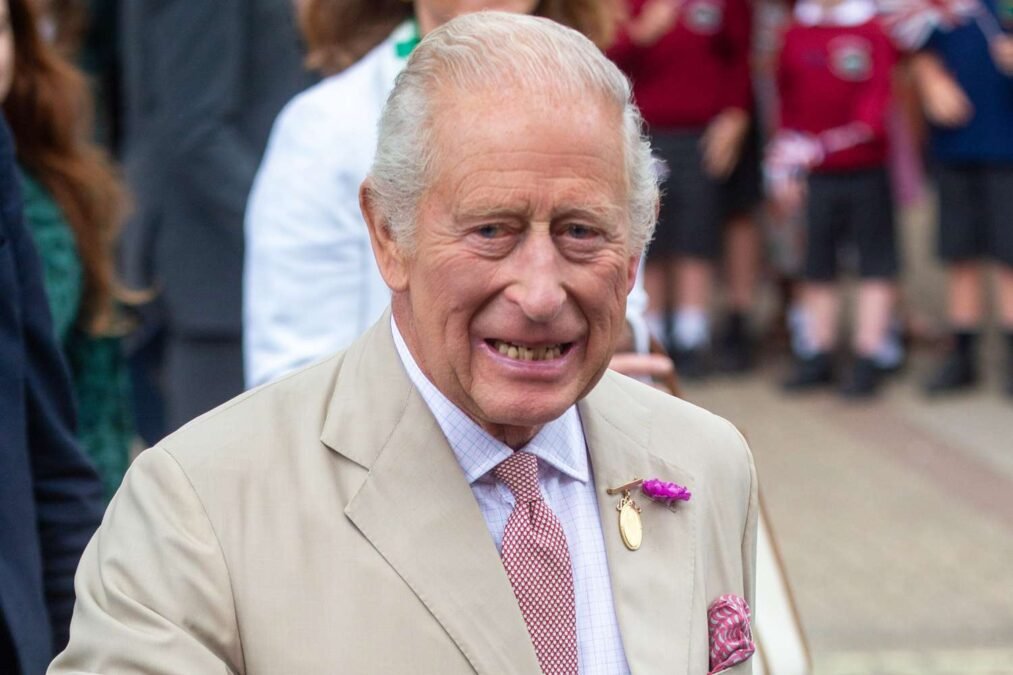
Interest in king charles health continues to remain strong across the world as millions of people follow updates about the British monarch’s condition. Since the announcement of his cancer diagnosis in 2024, every official statement has attracted significant public attention. As the reigning monarch of the United Kingdom, King Charles III occupies a unique position where personal health developments often become matters of national and international discussion. This ongoing interest has made health updates one of the most searched royal topics in recent years.
In 2026, attention remains focused on how the King is managing treatment while continuing to fulfill important constitutional and ceremonial responsibilities. Although Buckingham Palace has chosen not to disclose every medical detail, recent reports suggest encouraging progress and a carefully managed treatment plan. Understanding the latest developments provides valuable context for readers seeking reliable information about the monarch’s condition, public duties, and future outlook.
King Charles III and His Role as Monarch
King Charles III became King following the death of Queen Elizabeth II and brought decades of experience to the throne. Before becoming monarch, he served as Prince of Wales for many years and developed a reputation for supporting environmental causes, charitable initiatives, cultural preservation, and community development projects. His long public career has given people around the world a strong sense of familiarity with his work and interests.
Because of his constitutional position, any major development involving king charles health naturally receives extensive media coverage. Unlike many public figures, the King serves not only as a symbolic national leader but also as an important representative of British traditions and institutions. This combination of visibility, responsibility, and public interest explains why updates regarding his condition continue to attract attention from both royal observers and general audiences.
The Journey From Diagnosis to Treatment
The King’s health journey entered a new phase in early 2024 when Buckingham Palace confirmed that he had been diagnosed with cancer. While the Palace chose not to reveal the specific type of cancer, the announcement was notable because it represented an unusually transparent approach by royal standards. The news prompted widespread concern and generated support from citizens, political leaders, and organizations across the globe.
Following the diagnosis, medical specialists established a treatment strategy designed to address the illness while allowing the King to continue carrying out essential duties. During the initial stages of treatment, several engagements were postponed or modified to prioritize recovery. Over time, however, updates indicated positive progress, enabling him to gradually return to a more active public schedule while remaining under close medical supervision.
King Charles Health Update 2026
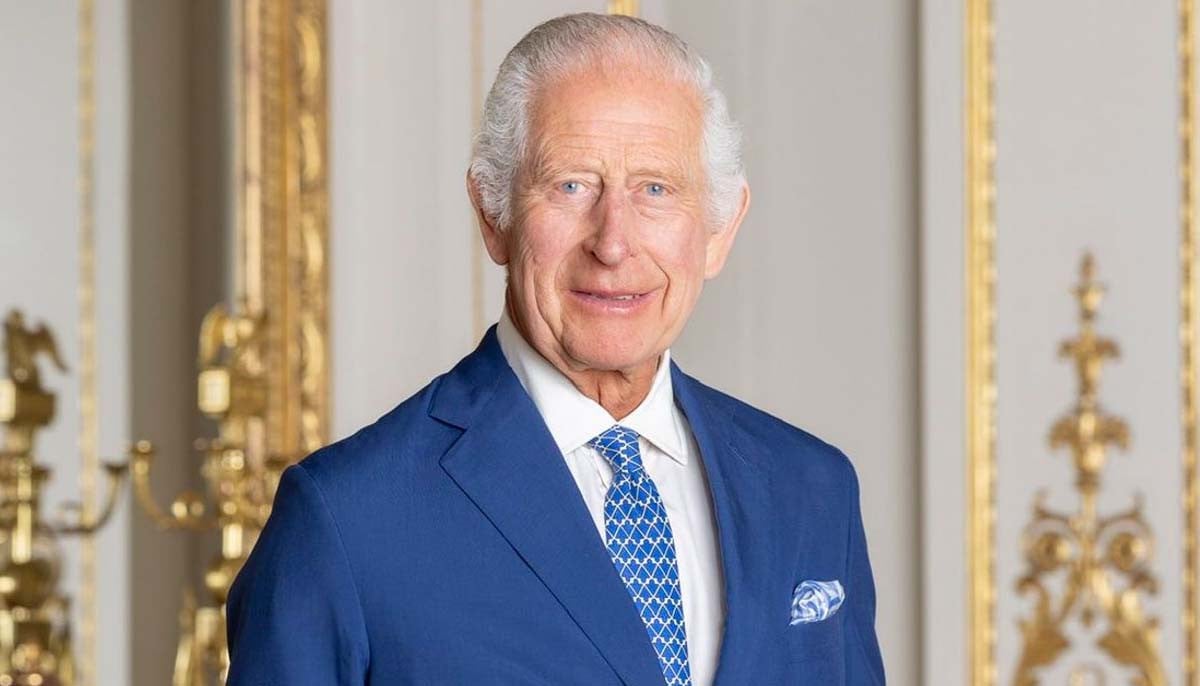
The latest information regarding king charles health suggests that the monarch continues to respond positively to treatment while maintaining a busy calendar of public engagements. Recent reports indicate that doctors remain satisfied with the overall progress of his care plan, allowing him to participate in a wide range of official events both within the United Kingdom and abroad. These developments have been viewed as encouraging signs by many royal observers.
At the same time, officials have emphasized that treatment remains ongoing and that the King’s condition continues to be carefully monitored. This balanced approach reflects the reality of many long-term medical situations, where progress is measured over time rather than through a single milestone. Current indications suggest that the King is successfully managing his condition while continuing to fulfill many of the responsibilities associated with his role.
Balancing Health and Royal Responsibilities
One of the most remarkable aspects of the King’s health journey has been his continued commitment to public service. Despite undergoing treatment, he has remained engaged with important ceremonial duties, diplomatic meetings, charitable initiatives, and national events. His ability to maintain a visible presence has reassured many people who closely follow developments within the Royal Family.
The King’s schedule is believed to be carefully planned in consultation with medical professionals. Certain commitments may be adjusted when necessary to support his well-being, but overall he continues to demonstrate a strong dedication to his constitutional role. This balance between personal health needs and public responsibilities has become an important feature of recent king charles health updates and reflects a practical approach to managing long-term treatment.
Buckingham Palace and Public Communication
Buckingham Palace has adopted a measured and consistent approach when communicating information about the King’s condition. Rather than releasing frequent medical details, officials have chosen to provide updates when there are meaningful developments to report. This strategy helps maintain a balance between public interest and personal privacy while ensuring that important information reaches the public in an accurate manner.
The Palace’s communication efforts have also helped reduce misinformation surrounding the King’s condition. In an era where rumors can spread rapidly online, official statements provide a reliable source of information for journalists, commentators, and members of the public. As a result, verified updates continue to serve as the primary reference point for discussions about king charles health and treatment progress.
Public Response and Global Interest
The announcement of the King’s diagnosis generated an extraordinary wave of public support. Messages of encouragement arrived from across the United Kingdom, the Commonwealth, and many other countries. Political leaders, charitable organizations, and ordinary citizens expressed their hopes for his recovery and praised his willingness to continue serving despite significant personal challenges.
Global media organizations have maintained strong interest in every major development related to the King’s health. Coverage extends far beyond royal-focused publications because the British monarchy remains one of the world’s most recognizable institutions. This broad interest explains why updates frequently become international headlines and continue to generate discussion among diverse audiences.
The Royal Family’s Support During Treatment
The King’s treatment period has highlighted the importance of support within the Royal Family. Queen Camilla has remained a visible and supportive presence throughout this period, attending engagements and accompanying the King at many important events. Her role has been widely recognized as an important source of stability and encouragement during a challenging time.
Other senior members of the Royal Family have also taken on significant responsibilities. Prince William and additional working royals have continued representing the monarchy at numerous events, helping ensure that official duties proceed smoothly. Their contributions demonstrate the institution’s ability to adapt when circumstances require flexibility and collective effort.
Raising Awareness About Cancer and Early Detection
An important outcome of the King’s diagnosis has been increased awareness surrounding cancer screening and early detection. Public discussions sparked by his situation have encouraged many people to learn more about preventive healthcare and the importance of seeking medical advice when symptoms arise. This broader conversation has extended far beyond royal news and entered mainstream health discussions.
Medical professionals frequently emphasize that early diagnosis can improve treatment outcomes for many forms of cancer. The King’s experience has helped reinforce this message and brought additional attention to health awareness campaigns. In this way, king charles health has contributed to a wider public understanding of the value of regular checkups, screening programs, and timely medical intervention.
Understanding Facts Versus Speculation
Whenever a prominent public figure experiences health challenges, speculation often follows. Over the past several years, numerous rumors have circulated regarding the King’s condition, future plans, and long-term prognosis. Some reports have exaggerated developments or presented assumptions as established facts, creating confusion among readers seeking accurate information.
For this reason, it remains essential to rely on official Palace announcements and reputable news organizations. Verified information provides a clearer and more balanced picture than unconfirmed claims circulating through social media or unofficial sources. Understanding the difference between factual reporting and speculation allows readers to stay informed while avoiding unnecessary concern or misunderstanding.
Looking Ahead
While no one can predict the future with complete certainty, current developments suggest a stable and carefully managed approach to treatment. The King continues to participate in major public engagements, support charitable causes, and fulfill key constitutional duties. These activities indicate that his medical team remains confident in the treatment strategy currently being followed.
Future updates regarding king charles health will likely focus on ongoing treatment progress, public appearances, and any significant changes to his schedule. As circumstances evolve, official communications will continue to provide important insights into his condition. For now, the available information points toward continued management, resilience, and a commitment to public service despite the challenges associated with long-term medical care.
Conclusion
The story of king charles health remains one of the most closely followed royal topics in 2026. Since revealing his cancer diagnosis, King Charles III has demonstrated determination, resilience, and a continued dedication to serving the public. While treatment remains ongoing, recent updates indicate encouraging progress and a carefully balanced approach that allows him to maintain many of his responsibilities.
As public interest continues, it is important to focus on verified information and official updates rather than speculation. The King’s experience has not only highlighted the realities of managing a serious health condition but has also encouraged wider conversations about cancer awareness, early detection, and the importance of medical care. His journey continues to inspire many people while reinforcing the enduring role of the monarchy during periods of personal and public challenge.
FAQs
What is the latest King Charles health update in 2026?
Recent reports indicate that King Charles continues to receive treatment while actively participating in many royal engagements and public duties.
Is King Charles still undergoing cancer treatment?
Yes. Official updates indicate that treatment remains ongoing, although progress has reportedly allowed him to maintain a relatively active schedule.
Has Buckingham Palace revealed the type of cancer?
No. The Palace has confirmed the diagnosis but has not publicly disclosed the specific type of cancer.
How has the Royal Family supported King Charles?
Queen Camilla and other senior royals have provided support and taken on additional responsibilities when necessary to ensure continuity of royal duties.
Why is king charles health such a major news topic?
As the reigning monarch of the United Kingdom, his health has constitutional, national, and international significance, making it a subject of widespread public interest.
You may also read: What the GHIC Covers