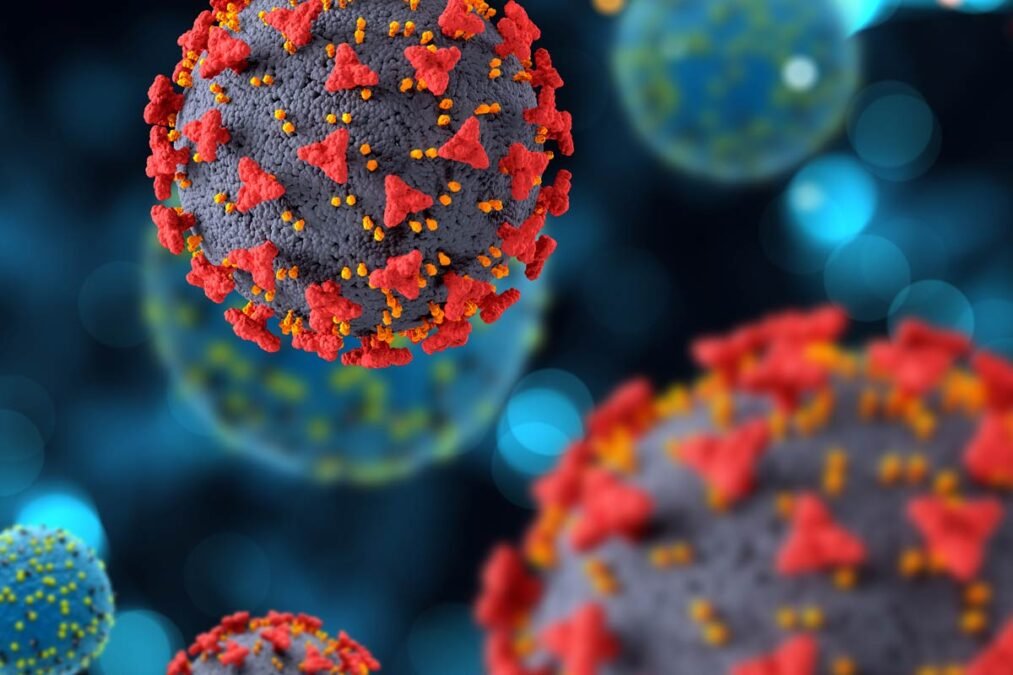
The covid strain stratus has emerged as one of the most closely watched COVID-19 variants in recent years. Often identified as the XFG variant, it belongs to the Omicron family and has attracted attention because of its ability to spread efficiently across communities. As health authorities continue to monitor new developments, many people are searching for reliable information about this strain, including how it behaves, what symptoms it causes, and whether it presents new health concerns compared to previous variants.
Like other COVID-19 variants, Stratus developed through the natural evolution of the virus. Mutations occur as viruses replicate, and some changes may improve their ability to spread between people. Researchers continue to study the characteristics of Stratus to better understand its impact on public health. While ongoing surveillance remains important, current evidence suggests that the variant shares many similarities with other recent Omicron-related strains, particularly in terms of symptoms and overall disease patterns.
How Covid Strain Stratus Spreads
The transmission of covid strain stratus occurs in much the same way as other COVID-19 variants. The virus spreads primarily through respiratory droplets and airborne particles released when an infected person talks, coughs, sneezes, sings, or even breathes in enclosed environments. This means that crowded indoor spaces, poor ventilation, and prolonged close contact remain important factors that can increase the likelihood of infection.
One reason experts continue to monitor Stratus closely is its apparent ability to spread rapidly within populations. Even individuals who have previously been infected or vaccinated may still experience breakthrough infections, although immunity often helps reduce the severity of illness. Because respiratory viruses can move quickly through schools, workplaces, public transportation systems, and households, maintaining awareness of transmission risks remains an important part of limiting outbreaks and protecting vulnerable individuals.
Symptoms Associated With Covid Strain Stratus
The symptoms linked to covid strain stratus are generally similar to those reported with other recent COVID-19 variants. Common symptoms include sore throat, cough, fatigue, headache, fever, chills, nasal congestion, and body aches. Many people describe the illness as feeling similar to a seasonal cold or flu, which can sometimes make it difficult to distinguish from other respiratory infections without testing.
One symptom that has received particular attention is an unusually painful sore throat. Some individuals report significant throat discomfort during the early stages of infection, accompanied by hoarseness or a raspy voice. However, symptom experiences vary widely from person to person. Factors such as age, vaccination status, previous infections, and overall health can influence both the severity and duration of illness. For most healthy individuals, symptoms tend to remain manageable and improve with time and supportive care.
Covid Symptoms in 2025 and 2026

As COVID-19 has evolved, the pattern of symptoms has changed compared with the early years of the pandemic. Earlier variants were frequently associated with a loss of taste and smell, while newer variants often produce symptoms concentrated in the upper respiratory tract. Current reports involving covid symptoms 2025 and covid symptoms 2026 indicate that sore throat, congestion, coughing, fatigue, and headaches remain among the most commonly reported symptoms.
The shift in symptom patterns highlights how viruses can change over time. While severe respiratory complications are less common for many people than they were during earlier pandemic waves, COVID-19 continues to affect individuals differently. Some people recover within days, while others experience lingering symptoms that persist for weeks. Staying informed about current symptom trends can help individuals recognize potential infections earlier and make informed decisions regarding testing, treatment, and reducing transmission to others.
Is Covid Strain Stratus More Dangerous?
One of the most frequently asked questions about covid strain stratus is whether it causes more severe illness than previous variants. Based on current observations, there is no consistent evidence suggesting that Stratus leads to dramatically higher rates of severe disease among the general population. Instead, much of the attention surrounding the variant focuses on its transmissibility and ability to circulate efficiently within communities.
However, risk is never the same for everyone. Older adults, individuals with weakened immune systems, and people living with chronic medical conditions remain more vulnerable to serious complications from COVID-19. Even if a variant does not appear significantly more severe overall, infections can still pose meaningful risks for high-risk groups. For this reason, public health experts continue to encourage preventive measures and timely medical consultation when symptoms worsen or complications develop.
Testing and Diagnosing Covid Strain Stratus
Testing remains one of the most effective ways to identify COVID-19 infections and reduce the spread of the virus. Most available rapid antigen tests and laboratory-based PCR tests continue to detect infections caused by newer variants, including covid strain stratus. Individuals experiencing symptoms, particularly after known exposure to an infected person, should consider testing to confirm whether COVID-19 is the cause of their illness.
Early diagnosis offers several important benefits. It helps people make informed decisions about isolation, protects family members and coworkers from potential exposure, and allows healthcare providers to recommend appropriate treatment options when necessary. Testing also contributes valuable data that supports ongoing public health surveillance efforts, helping experts track trends and identify emerging variants more effectively.
Covid Vaccines and Protection
The covid vaccine continues to play an important role in protecting individuals from severe illness, hospitalization, and complications related to COVID-19. While no vaccine can guarantee complete protection against infection, vaccination helps prepare the immune system to respond more effectively when exposure occurs. This often results in milder symptoms and a lower risk of serious outcomes, particularly among vulnerable populations.
Health authorities regularly review vaccine recommendations as new evidence becomes available. In some regions, eligible individuals may be advised to receive updated boosters designed to improve protection against circulating variants. Services such as NHS COVID vaccine booking programs help ensure that recommended vaccines remain accessible. Staying informed about current guidance can help individuals make decisions that support both personal health and community well-being.
Long Covid and Recovery
Most people infected with COVID-19 recover fully within a relatively short period, especially when symptoms remain mild. Recovery times can vary depending on factors such as age, underlying health conditions, and immune response. During recovery, adequate rest, hydration, nutrition, and symptom management often play an important role in supporting overall well-being and helping the body heal effectively.
At the same time, long covid continues to be an area of active research. Some individuals experience persistent symptoms that last for weeks or months after the initial infection has resolved. Common long covid symptoms may include fatigue, difficulty concentrating, shortness of breath, sleep disturbances, and reduced physical stamina. Although researchers are still studying the relationship between specific variants and long-term outcomes, awareness of ongoing symptoms remains important for obtaining appropriate medical support and guidance.
Covid in the UK and Current Trends
Interest in covid 19 uk, uk covid, and covid news uk remains high as people seek updates about infection trends and public health developments. Surveillance systems continue to monitor cases, hospital admissions, and emerging variants in order to provide a clearer picture of how COVID-19 is evolving. These monitoring efforts help health authorities respond to changing conditions and identify potential concerns before they become widespread problems.
The situation continues to evolve both in the UK and globally. While many countries have transitioned away from emergency pandemic measures, COVID-19 remains present and continues to circulate. New variants may emerge, and seasonal increases in respiratory infections can still place pressure on healthcare systems. Remaining informed through trusted health sources allows individuals to adapt to changing conditions while avoiding misinformation and unnecessary concern.
Protecting Yourself and Others
Practical prevention strategies remain valuable regardless of which variant is circulating. Good hand hygiene, proper ventilation, respiratory etiquette, and staying home when feeling unwell can significantly reduce the spread of respiratory infections. These simple measures are often overlooked, yet they continue to provide meaningful protection in homes, workplaces, schools, and public settings.
Vaccination, responsible testing practices, and awareness of symptoms also contribute to a comprehensive approach to protection. Individuals who are at higher risk of severe illness may benefit from additional precautions during periods of increased transmission. By combining common-sense health habits with current medical guidance, people can reduce their risk of infection while helping protect family members, coworkers, and vulnerable members of their communities.
Conclusion
The covid strain stratus variant reflects the ongoing evolution of COVID-19 and the importance of staying informed about emerging health developments. Although current evidence suggests that its symptoms and severity are broadly similar to other recent variants, its ability to spread efficiently has made it an important focus for researchers and public health authorities. Understanding how the variant spreads and recognizing common symptoms can help individuals make informed decisions when illness occurs.
As knowledge continues to develop, reliable information remains one of the most effective tools for managing risk. Vaccination, testing, healthy habits, and awareness of changing public health guidance all contribute to reducing the impact of COVID-19. By staying informed and responding thoughtfully to new developments, individuals can better protect themselves and support the health of those around them.
FAQs
What is covid strain stratus?
Covid strain stratus is a COVID-19 variant associated with the XFG lineage and is being monitored because of its transmission characteristics and growing presence in multiple regions.
What are the most common symptoms of covid strain stratus?
Common symptoms include sore throat, cough, fatigue, headache, congestion, fever, chills, and hoarseness, although symptom severity varies between individuals.
Is covid strain stratus more dangerous than previous variants?
Current evidence does not indicate that Stratus is significantly more severe than other recent variants, though vulnerable individuals may still face higher risks.
Can current covid test kits detect Stratus?
Yes. Most rapid antigen tests and PCR tests remain capable of detecting infections caused by the Stratus variant.
Do covid vaccines still help protect against Stratus?
Yes. Vaccines continue to provide important protection against severe illness, hospitalization, and serious complications associated with COVID-19.
Can covid strain stratus lead to long covid?
Like other COVID-19 variants, Stratus may be associated with long-term symptoms in some individuals, although research into long COVID continues.
How can I reduce my risk of infection?
Vaccination, testing when appropriate, good hygiene, proper ventilation, and avoiding close contact with others while sick remain effective ways to reduce infection risk.
You may also read: King Charles Health Update 2026