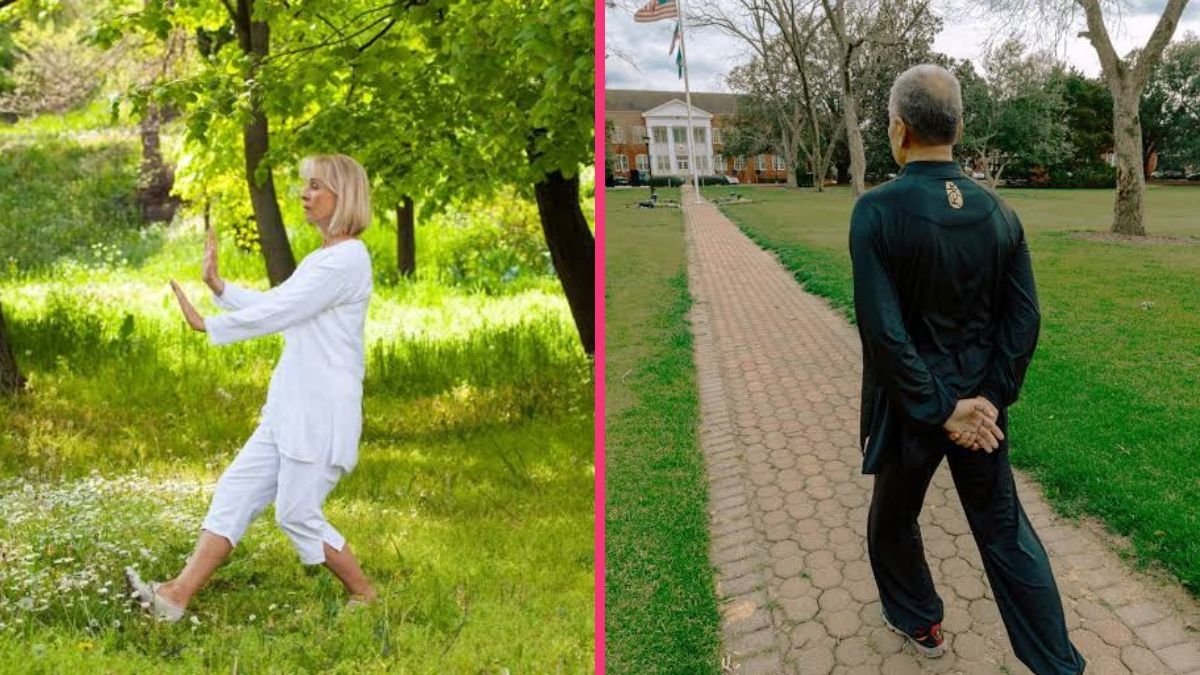
Tai chi walking is a mindful movement practice that combines the principles of traditional tai chi with slow, deliberate walking. Unlike ordinary walking, which is often performed automatically, tai chi walking encourages complete awareness of posture, balance, breathing, and movement. Every step is taken with intention, helping practitioners develop a stronger connection between the mind and body. This gentle exercise is suitable for people of all ages and fitness levels, making it one of the most accessible forms of movement available today.
Many people searching for information about what is tai chi walking are surprised to discover how simple yet effective it can be. Rather than focusing on speed or distance, the practice emphasizes quality of movement. By paying attention to how weight shifts from one foot to the other and maintaining proper body alignment, individuals can improve physical stability while creating a calming, meditative experience that supports overall well-being.
The Principles Behind Tai Chi Walking
The foundation of tai chi walking is mindful weight transfer. Instead of stepping quickly from one foot to another, practitioners gradually shift their body weight while maintaining balance and control. This process strengthens coordination and encourages smoother movement patterns. Over time, the body learns to move more efficiently, reducing unnecessary tension and promoting greater confidence during everyday activities.
Another important principle involves posture and breathing. The head remains upright, the shoulders stay relaxed, and the spine maintains a natural alignment throughout the movement. Breathing is slow and steady, helping create a sense of calm while supporting physical endurance. When these elements work together, tai chi walking becomes much more than exercise—it becomes a practice that develops awareness, focus, and body control.
Tai Chi Walking Benefits for Physical Health
Among the most recognized tai chi walking benefits is improved balance. The controlled nature of the movement trains the body to stabilize itself more effectively, which can be particularly valuable for older adults and individuals seeking to reduce the risk of falls. Because each step requires conscious weight transfer, the muscles responsible for stability become stronger and more responsive over time.
Tai chi walking also supports flexibility, mobility, and joint health. The low-impact movements encourage a healthy range of motion without placing excessive stress on the knees, hips, or ankles. Unlike many high-intensity exercises, this practice can be performed regularly without causing significant strain, making it a sustainable option for long-term fitness and wellness goals.
Mental and Emotional Benefits of Tai Chi Walking
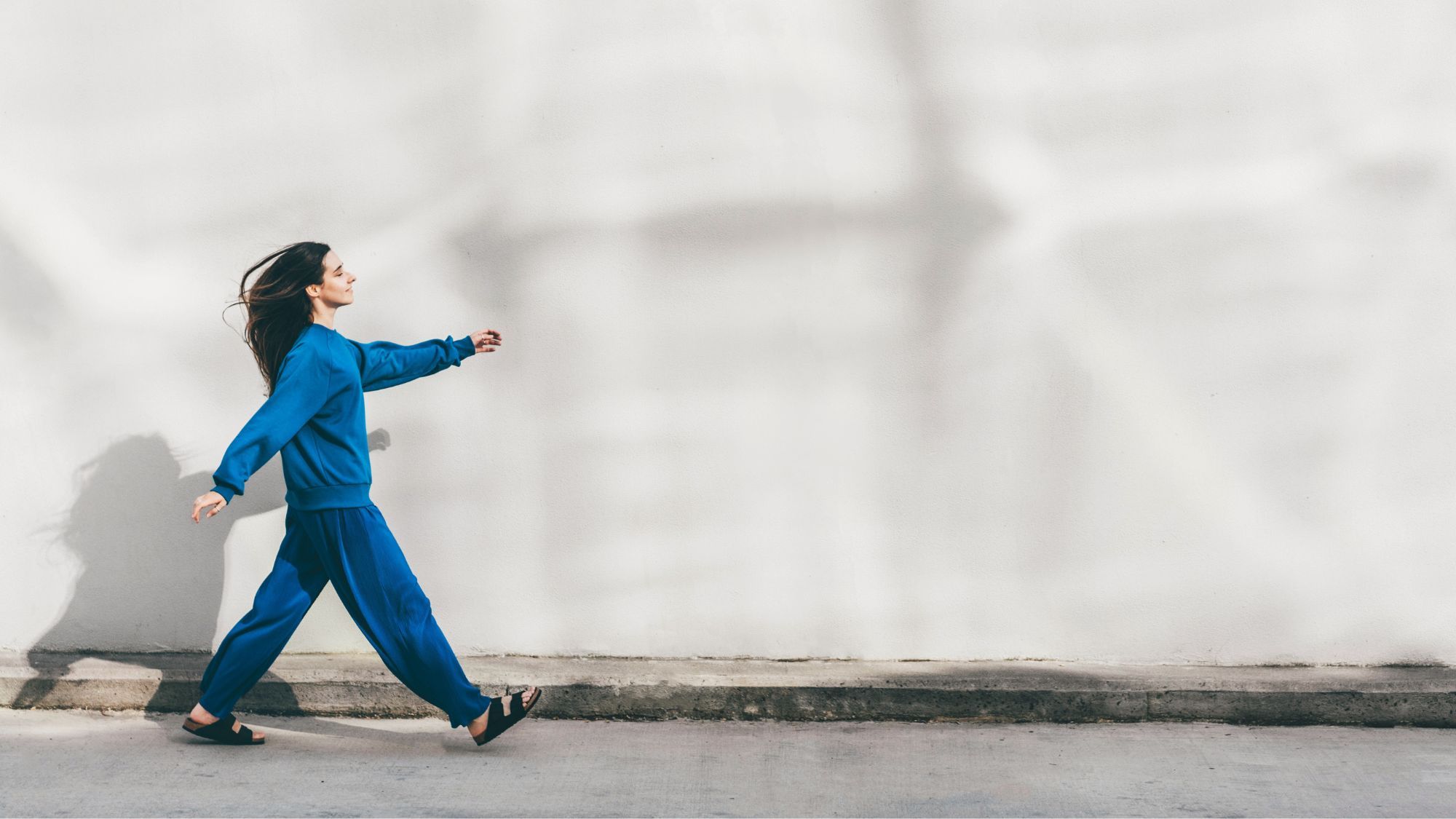
While the physical advantages are impressive, tai chi walking also offers significant mental and emotional benefits. The combination of focused breathing and mindful movement encourages relaxation and helps reduce everyday stress. Many practitioners describe the experience as a moving meditation that allows them to clear their minds and become more present in the moment.
Regular practice may also improve concentration and mental clarity. In a world filled with distractions, taking time to focus on each movement can strengthen attention and increase self-awareness. This mindful approach to exercise helps create a healthier relationship between the body and mind, contributing to overall emotional well-being and resilience.
How to Practice Tai Chi Walking Correctly
Learning proper technique is essential for maximizing the benefits of tai chi walking. Begin by standing comfortably with your feet shoulder-width apart. Keep your posture upright while relaxing the shoulders and allowing the arms to rest naturally. Before taking a step, become aware of your balance and ensure that your body feels centered and stable.
When moving forward, slowly transfer your weight onto one leg before lifting the opposite foot. Place the foot gently on the ground and gradually shift your weight onto it. Avoid rushing the movement or forcing the pace. Instead, focus on maintaining smooth transitions and controlled breathing. This deliberate process is what separates tai chi walking from ordinary walking and helps cultivate greater balance and awareness.
Tai Chi Walking for Beginners
For those exploring tai chi for beginners, tai chi walking provides an excellent starting point. The movements are simple to learn and do not require special equipment or advanced physical abilities. Beginners can start with short sessions of five to ten minutes and gradually increase their practice time as confidence and comfort improve.
One of the most effective ways to learn is by focusing on a single skill during each session. For example, one practice may emphasize posture while another concentrates on breathing or weight transfer. This gradual learning process prevents overwhelm and allows beginners to develop a strong foundation. Watching quality tai chi walking videos can also provide visual guidance and reinforce proper technique.
Tai Chi Walking for Seniors
Many experts recommend tai chi walking for seniors because it is gentle, adaptable, and highly effective. As people age, maintaining balance and mobility becomes increasingly important. Tai chi walking addresses these concerns by encouraging controlled movement patterns that improve stability without placing excessive stress on the joints.
In addition to supporting physical function, the practice can help older adults feel more confident in their daily activities. Better balance often leads to greater independence and reduced fear of falling. When combined with other gentle tai chi exercises, tai chi walking can become an important part of a healthy aging strategy that promotes both physical and mental well-being.
Can Tai Chi Walking Help With Weight Loss?
Interest in tai chi walking for weight loss has increased as more people seek sustainable fitness routines. While tai chi walking is not designed to burn calories at the same rate as high-intensity workouts, it still contributes to daily physical activity and can play a meaningful role in weight management. Consistent movement, even at a moderate pace, supports a healthier lifestyle and helps maintain long-term fitness habits.
The greatest value of tai chi walking for weight loss lies in its sustainability. Many intense exercise programs are difficult to maintain for extended periods, whereas tai chi walking can easily become part of a daily routine. Combined with balanced nutrition and healthy lifestyle choices, the practice can support gradual and lasting improvements in body composition and overall health.
Tai Chi Indoor Walking and Home Practice
One of the advantages of tai chi indoor walking is that it requires very little space. A quiet room, hallway, or small exercise area is often enough to practice comfortably. This convenience makes it easier for people to maintain consistency regardless of weather conditions or access to outdoor environments.
Practicing at home also allows individuals to move at their own pace without distractions. A calm environment can enhance concentration and make it easier to focus on breathing, posture, and movement quality. For many people, home practice becomes a practical way to develop a long-term wellness routine that fits naturally into daily life.
Finding Tai Chi Classes and Learning Resources
People searching for tai chi classes near me or tai chi near me for beginners have access to a growing number of learning opportunities. Community centers, fitness facilities, wellness programs, and dedicated tai chi schools frequently offer beginner-friendly instruction. Learning from a qualified teacher can accelerate progress and help prevent common mistakes.
In addition to in-person instruction, online resources continue to expand. Educational websites, video tutorials, and guides such as a tai chi walking PDF free download can help reinforce learning between classes. Combining multiple resources often provides the best results, allowing practitioners to deepen their understanding and improve their technique over time.
Why Consistency Matters in Tai Chi Walking
Like any skill, the benefits of tai chi walking become more noticeable with regular practice. A few minutes each day can be more effective than a longer session performed only occasionally. Consistency helps reinforce healthy movement patterns, improve balance, and build confidence in physical abilities.
Over weeks and months, practitioners often notice meaningful improvements in posture, mobility, coordination, and mental focus. These gradual changes demonstrate why tai chi walking has remained popular for generations. The practice rewards patience and persistence, making it a valuable addition to a long-term wellness plan.
Conclusion
Tai chi walking is a simple yet powerful practice that combines mindful movement, balance training, and gentle exercise into a single activity. By focusing on posture, breathing, and controlled weight transfer, practitioners can improve physical stability while supporting mental clarity and emotional well-being. Its accessibility makes it suitable for beginners, older adults, and anyone seeking a sustainable approach to health.
Whether your goal is improving balance, enhancing mobility, reducing stress, or supporting overall wellness, tai chi walking offers benefits that extend beyond traditional exercise. With regular practice and a commitment to mindful movement, this timeless discipline can become a valuable tool for achieving a healthier and more balanced lifestyle.
Frequently Asked Questions
What is tai chi walking?
Tai chi walking is a mindful walking method that applies tai chi principles such as balance, posture, controlled movement, and focused breathing to each step.
What are the main tai chi walking benefits?
The primary benefits include improved balance, enhanced mobility, better posture, reduced stress, increased body awareness, and support for overall health and wellness.
Is tai chi walking suitable for beginners?
Yes. Tai chi walking is one of the most beginner-friendly forms of tai chi because it focuses on simple movements that can be learned gradually and practiced at any fitness level.
Can tai chi walking help prevent falls?
Many people practice tai chi walking to improve balance and coordination. These improvements may help reduce fall risk, particularly among older adults.
Is tai chi walking good for seniors?
Yes. Tai chi walking for seniors is highly recommended because it is low impact, easy on the joints, and effective for maintaining mobility and confidence.
Can tai chi walking support weight loss?
Tai chi walking can contribute to weight management by increasing physical activity levels and encouraging long-term healthy habits when combined with proper nutrition.
Can I practice tai chi walking indoors?
Absolutely. Tai chi indoor walking can be performed in small spaces, making it convenient for home practice throughout the year.
How often should I practice tai chi walking?
Most people benefit from practicing several times per week, although daily sessions of 10 to 20 minutes can provide even greater results over time.
You May Also Read: Anti Sickness Tablets for Travel and Motion Sickness