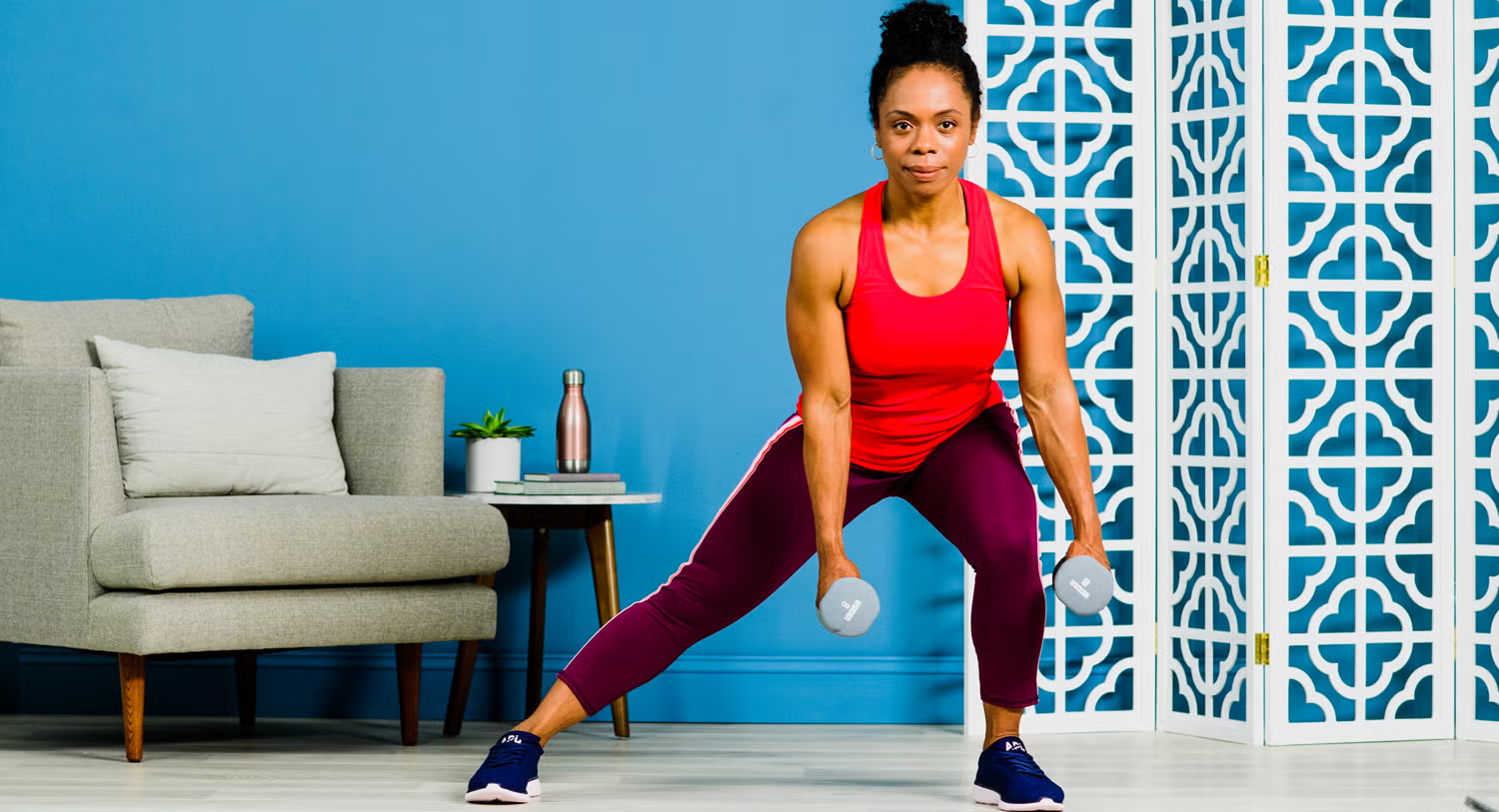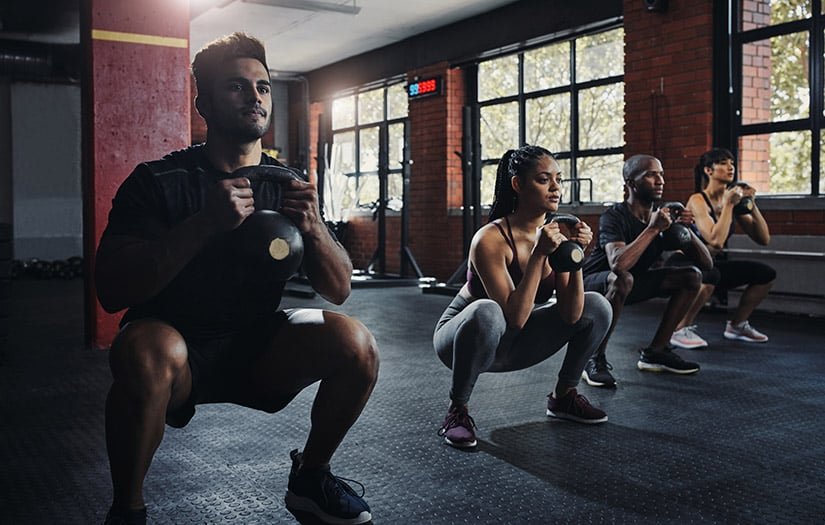
Starting a fitness journey at home is one of the easiest and most effective ways for beginners to develop healthy habits without feeling pressured or overwhelmed. Many people avoid exercise because gyms can feel intimidating, expensive, or inconvenient. A beginner workout plan at home removes those barriers completely and allows people to exercise in a comfortable environment where they can focus entirely on learning proper movement and building consistency. Home workouts also give beginners the flexibility to train according to their own schedule, making it easier to stay committed in the long term.
Another reason home workouts are highly effective is that they encourage sustainable progress rather than quick fixes. Beginners often make the mistake of trying advanced routines that are too intense for their current fitness level. A simple and structured home workout plan focuses on gradual improvement through bodyweight exercises, mobility work, and short cardio sessions. This steady approach reduces injury risk while helping the body adapt naturally to physical activity over time. Consistency always delivers better results than extreme training methods that are difficult to maintain.
How to Start a Workout Plan the Right Way
Before beginning any workout routine, it is important to set clear and realistic goals that match your fitness level and lifestyle. Some beginners want to lose weight, while others want to improve strength, increase stamina, or simply become more active. Understanding your main objective makes it easier to create a workout schedule that feels achievable instead of stressful. A beginner workout plan at home should always start with manageable sessions that slowly become more challenging as fitness improves.
Creating a simple weekly schedule can help build discipline and consistency from the beginning. Most beginners benefit from training three or four times per week with rest days between sessions for recovery. Rest is an important part of fitness because muscles repair and become stronger during recovery periods. Following a balanced routine also prevents burnout and keeps motivation high. Beginners who stay patient and focus on long-term progress usually experience better physical and mental results compared to those chasing fast transformations.
The Importance of Warming Up Before Exercise
A proper warm-up prepares the body for movement and helps reduce the risk of injuries during workouts. Many beginners skip warm-ups because they want to start exercising immediately, but this mistake often leads to muscle stiffness and poor performance. Simple warm-up exercises such as arm circles, jumping jacks, leg swings, and marching in place increase blood flow and improve flexibility. Even five minutes of preparation can make a major difference in workout quality and overall comfort.
Warm-ups also improve mental focus before training sessions. When the body gradually transitions from rest into movement, exercises feel smoother and more controlled. This is especially important during a beginner workout plan at home because learning correct form is essential for long-term success. Controlled movement and proper posture help activate the right muscles while reducing strain on joints and ligaments. A strong warm-up routine creates a safer and more effective fitness experience for beginners.
Best Exercises for a Beginner Workout Plan at Home
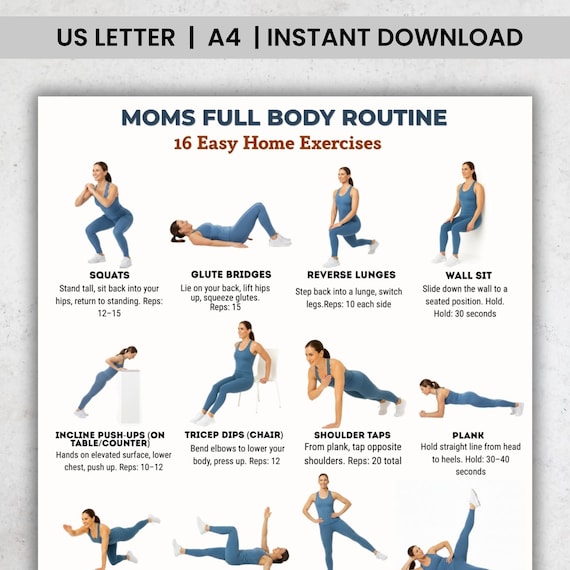
Bodyweight exercises are ideal for beginners because they improve strength, balance, and endurance without requiring expensive equipment. Squats are one of the best lower-body exercises because they strengthen the legs, hips, and glutes while improving mobility. Push-ups are another excellent movement that targets the chest, shoulders, arms, and core. Beginners who cannot perform standard push-ups can start with incline or knee variations until they gain enough strength to progress further.
Core exercises are equally important in a home workout plan because they improve stability and posture. Planks, bicycle crunches, and mountain climbers help strengthen abdominal muscles while increasing overall body control. Cardio exercises such as high knees, jumping jacks, and fast feet drills can also be added to improve heart health and calorie burning. Combining strength exercises with cardio creates a balanced full body workout plan that supports fat loss, muscle growth, and improved endurance.
Building a Simple 30-Day Fitness Routine
The first week of a beginner workout plan at home should focus mainly on creating consistency rather than pushing physical limits. Beginners can start with short 20-minute sessions that include squats, lunges, push-ups, planks, and light cardio movements. Performing these workouts three or four times per week allows the body to adjust gradually while reducing soreness and fatigue. Learning correct technique during the early stages is far more important than completing large numbers of repetitions.
As the weeks progress, beginners can slowly increase workout intensity by adding more repetitions, longer sessions, or additional exercises. Progressive overload is one of the key principles of fitness because it encourages muscles and cardiovascular endurance to improve steadily over time. By the fourth week, many people notice higher energy levels, improved confidence, and visible changes in strength and fitness. Following a structured plan helps beginners stay focused and motivated throughout their journey.
Calisthenics and Bodyweight Training for Beginners
Calisthenics is one of the best training styles for beginners because it uses natural bodyweight movements to improve overall fitness. A beginner calisthenics workout plan usually includes exercises such as squats, push-ups, lunges, planks, and assisted pull-ups. These movements strengthen multiple muscle groups at the same time while improving flexibility and coordination. Since calisthenics requires little or no equipment, it is a practical choice for anyone starting a beginner workout plan at home.
One of the biggest advantages of calisthenics is scalability. Every exercise can be adjusted based on individual fitness levels, making the training style suitable for complete beginners as well as advanced athletes. Beginners can start with easier variations and slowly progress toward more difficult movements as strength improves. This gradual progression keeps workouts challenging without becoming overwhelming. Bodyweight training also develops functional strength that supports daily activities and long-term physical health.
Nutrition Tips to Support Your Fitness Goals
Exercise alone is not enough to achieve long-lasting fitness results. Nutrition plays a major role in energy levels, muscle recovery, and body composition. Beginners should focus on eating balanced meals that include lean proteins, healthy fats, fruits, vegetables, and whole grains. Protein is especially important because it supports muscle repair after workouts and helps the body recover more efficiently. Small dietary improvements often create noticeable results when combined with regular exercise.
Hydration is another essential part of a healthy fitness routine. Drinking enough water before and after workouts helps regulate body temperature, improve endurance, and reduce fatigue. Many beginners underestimate the importance of hydration, but even mild dehydration can affect workout performance and recovery. Maintaining healthy eating habits alongside a beginner workout plan at home creates a strong foundation for sustainable progress and better overall well-being.
Recovery and Rest Are Essential for Progress
Rest days are just as important as workout days because the body needs time to repair and strengthen muscles after exercise. Beginners sometimes believe that exercising every day will produce faster results, but overtraining often leads to fatigue, soreness, and injuries. A balanced workout schedule that includes proper recovery allows the body to adapt safely to increased physical activity. Rest also helps maintain motivation and prevents mental burnout during the fitness journey.
Quality sleep is another important factor in recovery and long-term fitness success. During sleep, the body repairs muscle tissue, balances hormones, and restores energy levels for future workouts. Most adults should aim for seven to eight hours of sleep each night to support overall health and performance. Stretching, walking, and light mobility exercises on rest days can also improve recovery and reduce muscle tightness between workouts.
Staying Motivated Throughout Your Fitness Journey
Motivation often changes from week to week, which is why building consistent habits is more important than relying only on inspiration. Setting small goals can help beginners stay focused and confident throughout their fitness journey. Instead of expecting immediate transformation, it is better to celebrate small achievements such as completing workouts regularly, improving exercise form, or increasing workout duration gradually over time.
Tracking progress is another effective way to stay motivated during a beginner workout plan at home. Keeping a fitness journal, taking progress photos, or measuring improvements in strength and endurance helps people recognize how far they have come. Support from friends, family, or online fitness communities can also encourage accountability and consistency. Long-term success comes from patience, discipline, and the willingness to continue improving step by step.
Conclusion
A beginner workout plan at home is one of the most practical and effective ways to improve physical fitness, build confidence, and create healthier habits without needing expensive equipment or gym memberships. By focusing on consistency, proper exercise technique, balanced nutrition, and recovery, beginners can achieve impressive results while exercising from the comfort of their own homes. Home workouts provide flexibility and convenience that make fitness more accessible for people with busy lifestyles.
The most important part of any fitness journey is staying committed even when progress feels slow. Real transformation happens gradually through daily effort and smart training choices. Whether your goal is weight loss, improved strength, better endurance, or overall health, a structured beginner workout plan at home can help you build a stronger body and a healthier lifestyle that lasts for years to come.
You may also read: Best Foods to Include in a Clean Eating Plan