In an era dominated by high-definition smartphone cameras and sharp social media angles, the aesthetic preference for facial structures has shifted dramatically toward a highly sculpted, chiseled jawline. While contouring cosmetics and temporary filters can mimic deep shadows under the cheekbones, an increasing number of individuals are turning to permanent surgical alterations to achieve a structurally narrower lower face. This massive wave of public interest has elevated buccal fat removal from a specialized clinical procedure to one of the most widely discussed cosmetic surgeries of the modern beauty landscape.
This modern aesthetic phenomenon is heavily accelerated by the flawless, razor-sharp facial features frequently displayed on international red carpets. Digital pop culture forums and cosmetic surgery communities frequently analyze the dramatic transformations of public figures, sparking viral online debates regarding rumored buccal fat removal celebrities like Miley Cyrus and Jenna Ortega. While many public figures attribute their changing features to natural maturation or weight loss, the constant public fascination with these sleek, ultra-contoured looks continues to drive thousands of everyday consumers to seek out a permanent surgical solution for their rounder facial features.
Anatomy 101: What is Buccal Fat?
To accurately conceptualize what is buccal fat removal, one must first understand the complex, layered anatomy of the human midface. Deep within the lower cheek region sits a specialized, encapsulated pocket of tissue known as the buccal fat pad, which resides directly inside the anatomical boundary of the buccal cavity. Unlike the superficial subcutaneous fat that rests directly beneath the surface of the skin, this deep biconvex fat pad is tucked beneath major facial muscles and sits right against the inner mucosal lining of the mouth, scientifically classified as the buccal mucosa.
Because this deep fat pad is anatomically independent from the rest of the face, it is notoriously resistant to traditional weight loss methods, rigorous diet plans, and standard superficial facial liposuction techniques. It is also important for patients to distinguish this anatomical term from common pharmaceutical applications they might encounter at a local pharmacy. For example, the inner cheek pocket is a highly vascularized zone frequently utilized for rapid drug absorption, housing medications like hydrocortisone buccal tablets or prochlorperazine buccal tablets (specifically prochlorperazine 3mg buccal tablets), alongside emergency neurological treatments like buccal midazolam, all of which simply share the same linguistic root but serve entirely separate medical purposes.
Clarifying Non-Surgical Fads: Many individuals frequently search online for a “buccal massage near me” with the hopeful expectation that a deep manual massage can structurally sculpt their lower face. While undergoing a professional buccal massage can successfully relieve chronic jaw tension and temporarily reduce fluid puffiness through localized lymphatic drainage, it physically cannot diminish, redistribute, or eliminate the deep, permanent structural fat pads that only a surgeon can access.
The Financial Breakdown: Buccal Fat Removal Cost
Making the informed decision to undergo a permanent facial refinement requires a thorough and transparent understanding of the financial commitment involved. In 2026, the standard buccal fat removal cost within the United States typically falls anywhere between $3,500 and $6,500, depending heavily on the geographical location of the clinic and the experience of the specialist. Because this procedure is classified strictly as an elective cosmetic treatment designed for aesthetic enhancement, national health insurance providers will not offer any coverage, requiring patients to finance the entire operation completely out of pocket.
When properly plotting out your medical budget, it is critical to realize that a plastic surgeon’s initial baseline quote rarely accounts for the comprehensive, true cost of the surgical experience. Patients must carefully factor in several essential hidden fees, including accredited surgical facility rentals, local anesthesia fees, pre-operative lab work, and specialized post-operative healing medications. For budget-conscious individuals exploring the global landscape of medical tourism, highly reputable cosmetic surgery hubs in countries like South Korea or Turkey offer all-inclusive surgical packages ranging between $1,800 and $2,800, though this choice introduces complex international travel logistics and follow-up care considerations.
The Surgical Procedure: Inside the Operating Room

The actual surgical execution of a cheek reduction is a remarkably swift and straightforward process, typically requiring only 30 to 60 minutes of operational time from start to finish. It is performed exclusively as an outpatient procedure, ensuring that patients can comfortably return to their own homes or recovery suites on the exact same day as the operation. The vast majority of board-certified plastic surgeons prefer to perform this treatment using local anesthesia coupled with light oral sedation, keeping the patient fully awake, entirely comfortable, and completely pain-free throughout the brief session.
To initiate the physical extraction, the operating surgeon makes a very small, precise incision measuring less than one inch inside the patient’s mouth, cutting gently through the inner buccal mucosa lining near the upper molars. By approaching the fat pad exclusively from the interior of the mouth, the surgeon can gently tease out the specific volume of buccal fat without exposing the external skin to any risk of visible scarring. Once the exact amount of fat tissue is meticulously extracted to ensure perfect bilateral symmetry, the tiny internal incisions are sealed shut using delicate, medical-grade dissolvable stitches that disappear naturally over the following weeks.
Timeline of Healing: The Recovery Reality
The initial post-operative healing phase demands an immense amount of emotional patience, as your immediate appearance in the mirror will not reflect your ultimate structural goals. During the first seventy-two hours following surgery, the lower face will appear significantly rounder, more swollen, and more bruised than it did prior to entering the operating room. To safeguard the delicate internal stitches and prevent dangerous bacterial contamination, patients must rigidly adhere to a strict liquid or ultra-soft diet consisting of smooth purees, broths, and protein shakes for the first full week of recovery.
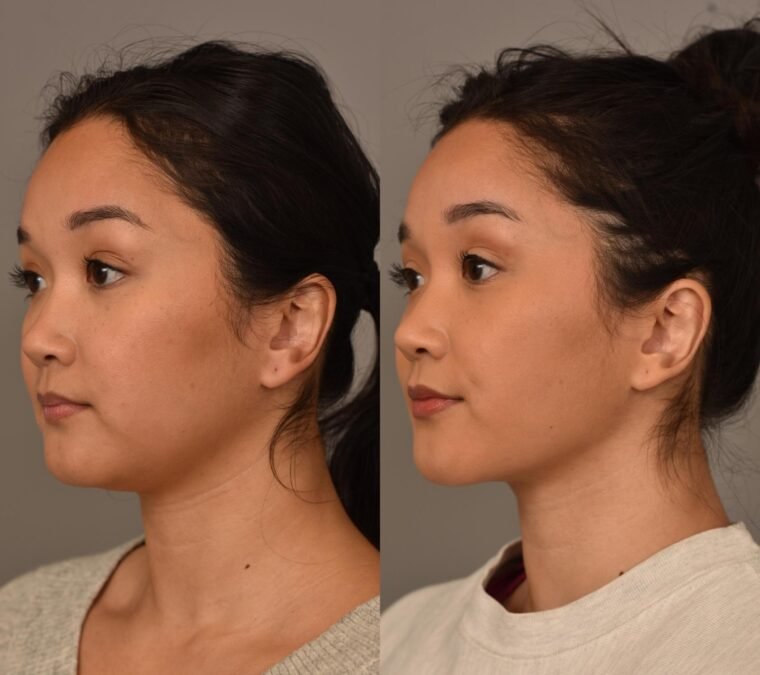
By the arrival of the second week, the intense post-operative swelling will begin to rapidly subside, allowing individuals to gradually reintegrate normal soft foods into their daily routines and return to sedentary work. However, patients must remain incredibly disciplined with their oral hygiene, meticulously rinsing with a specialized prescribed antibacterial mouthwash after consuming any food to eliminate infection risks. It is vital for consumers to understand that a genuine buccal fat removal before and after transformation requires roughly three to six months to fully manifest, as the overlying facial skin and muscle layers require ample time to contract down into the newly vacated pockets.
The Verdict: Is It Worth It?
The long-term satisfaction and ultimate success of this cheek-slimming procedure depend entirely on a patient’s natural, underlying facial bone structure and baseline tissue volume. The absolute ideal candidate for this permanent alteration is a healthy adult presenting with naturally round, full, or heavy lower cheeks who genuinely desires a more mature, athletic, and definition-heavy facial aesthetic. When executed by an expert hand on a properly selected individual, the results are exceptionally elegant, yielding a beautifully contoured midface that permanently accentuates the natural shape of the cheekbones.
Conversely, there has been a significant rise in public cosmetic regret widely documented across internet forums, beauty subreddits, and modern aesthetic commentary channels. Because the human face naturally and progressively loses its youthful subcutaneous fat and structural volume as we advance through the aging process, removing this protective deep fat pad prematurely can yield devastating long-term consequences. If this surgery is performed on an individual who is already naturally lean, or someone entering their late thirties, it can easily result in a prematurely gaunt, skeletal, or severely sunken appearance as they transition into middle age, making comprehensive master-level surgical consultations absolutely non-negotiable.
Final Thoughts on Facial Sculpting
Ultimately, a surgical cheek reduction serves as a highly effective, lifetime solution for narrowing a naturally heavy lower facial profile and highlighting hidden bone structure. Because the physical changes are entirely permanent and permanently alter the architectural trajectory of how your face will age over the next several decades, this procedure should never be pursued impulsively to mirror temporary internet beauty trends. Potential patients must prioritize an in-person, comprehensive evaluation with an ethical, board-certified plastic surgeon who can assess their individual anatomy, explain potential nerve risks, and guide them toward a universally safe, natural-looking aesthetic outcome.
Frequently Asked Questions (FAQs)
What is buccal fat removal?
It is a permanent, outpatient cosmetic surgical procedure that removes a portion of the deep, specialized fat pads located within the lower cheek area. The procedure is performed entirely through small incisions made inside the mouth, leaving no visible external scars while creating a slimmer, more contoured, and chiseled midface profile.
How long does the recovery take, and what can I eat?
The initial recovery phase lasts about seven to ten days, during which you must follow a strict liquid and soft-food diet to avoid tearing or irritating the internal dissolvable stitches. While you can typically return to normal daily work activities within three to five days, the deep tissues require three to six months to fully heal and reveal the final chiseled results.
Does removing cheek fat cause premature aging later in life?
Yes, it absolutely can if it is performed on an improper candidate who does not possess true excess fat in the buccal space. Because the human face naturally loses fat and volume over time, removing this deep fat pad from an already lean or angular face will likely result in a gaunt, skeletal, and hollowed appearance as the patient reaches their late thirties and forties.
Can a buccal massage replace the need for a surgical procedure?
No, a massage cannot replace surgery. A professional buccal massage is a therapeutic treatment that manually manipulates facial muscles from inside and outside the mouth to relieve physical tension and temporarily drain excess lymphatic fluid. It has zero impact on the actual size, volume, or physical presence of the deep, permanent fat pads that can only be altered through surgical extraction.
You may also read: Comparing the Pooh Pathology Quiz with Real Medical Diagnostics