Co-codamol stands out as one of the most widely utilized combination analgesics in modern medicine, designed specifically to address moderate to severe pain when standard single-ingredient painkillers fail to deliver adequate relief. By blending two distinct active compounds into a single tablet, this medication offers a dual-action mechanism that addresses pain through complementary pathways. Understanding how these active components interact within the human body allows patients and caregivers to appreciate why this specific formulation provides such robust discomfort management compared to basic over-the-counter alternatives.
The primary active ingredients in co-codamol are paracetamol and codeine phosphate, each targeting pain perception from a different anatomical angle. Paracetamol works centrally within the nervous system to inhibit the synthesis of chemical messengers known as prostaglandins, effectively raising the body’s overall pain threshold and reducing fever. Simultaneously, codeine acts as an opioid analgesic that binds directly to mu-opioid receptors in the brain and central nervous system. This dual action significantly alters how the brain registers discomfort, providing a synergistic therapeutic effect that manages persistent pain far more effectively than either ingredient could accomplish on its own.
Uses and Indications for Co-codamol
Healthcare professionals frequently prescribe co-codamol for the short-term management of acute, moderate pain that does not yield to standalone analgesics like ibuprofen, aspirin, or standard paracetamol. Its versatility makes it a valuable asset in treating short-term physical distress across various clinical scenarios, ensuring patients can recover without suffering unnecessarily. Whether recovering from dental surgery or coping with sudden muscular trauma, patients benefit from the targeted strength this combination provides during the acute phases of physical healing and recovery.
Common clinical indications for co-codamol include severe dental pain, post-surgical surgical recovery, muscular sprains, joint strains, lower back injuries, and acute dysmenorrhea, commonly known as severe period pain. Despite its broad utility, medical guidelines strictly caution against using this formulation to treat chronic, long-term pain conditions like osteoarthritis or tension headaches without continuous professional oversight. Because long-term administration carries significant risks of physiological tolerance and psychological dependence, therapy must remain strictly focused on temporary, short-term relief rather than indefinite daily maintenance.
Available Strengths and Formulations
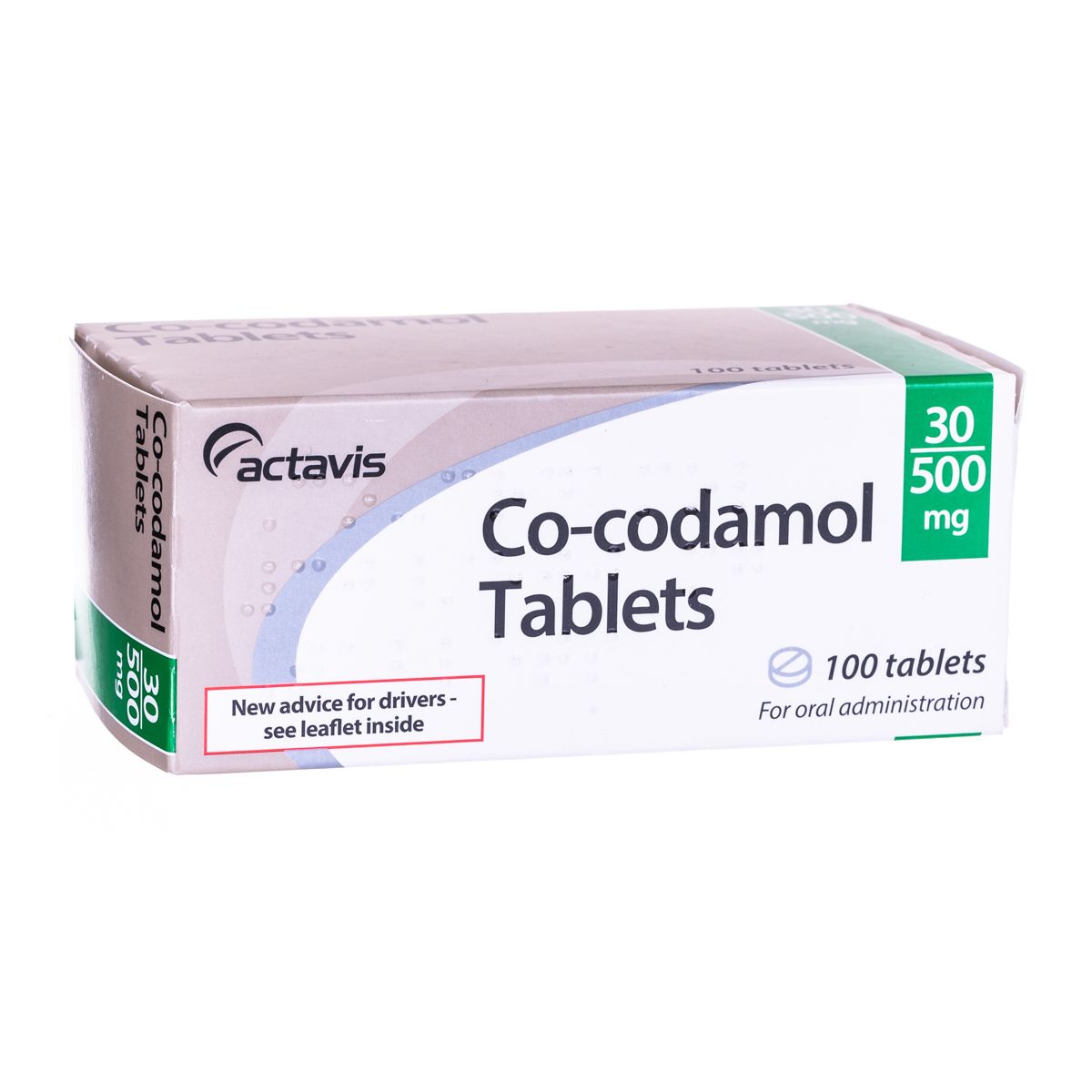
Navigating co-codamol options requires an understanding of how strength ratios are labeled, which are expressed in a distinct two-number format representing milligrams. The first digit always indicates the exact amount of codeine phosphate contained in each dose, while the second digit specifies the concentration of paracetamol, which almost universally remains fixed at five hundred milligrams. This standardized labeling system allows healthcare providers and pharmacists to quickly identify the exact potency level required for a patient’s unique pain profile and clinical needs.
Standard pharmaceutical preparations of co-codamol typically include 8/500 mg, 15/500 mg, and 30/500 mg formulations to cater to varying levels of pain severity. The lowest strength, containing eight milligrams of codeine, can often be acquired directly from registered pharmacies following a brief consultation with a qualified pharmacist. Conversely, higher concentrations such as 15/500 mg and 30/500 mg are classified strictly as prescription-only medications. These higher strength formulations require a doctor’s explicit authorization due to the elevated risk of adverse events and potential dependence associated with stronger opioid doses.
Dosage and Administration Guidelines
Proper administration and strict adherence to recommended dosage schedules are vital when taking co-codamol to ensure safety while achieving optimal pain control. The standard adult dosage generally consists of one or two tablets taken orally every four to six hours as required for pain relief. It is absolutely imperative that patients maintain a minimum four-hour interval between successive doses to avoid overloading the liver and nervous system with active ingredients, thereby maintaining a stable therapeutic level without venturing into dangerous toxic ranges.
Patients must scrupulously avoid exceeding the maximum legal and safety limit of eight tablets within any twenty-four-hour period under any circumstances. Furthermore, treatment duration should remain as brief as possible, ideally restricted to three consecutive days unless a qualified doctor explicitly instructs otherwise. Usage in pediatric populations is heavily restricted due to varying metabolic rates; consequently, codeine-containing products are strictly contraindicated in children under twelve years of age and adolescents with compromised respiratory function.
Potential Side Effects and Adverse Reactions
As with any pharmaceutical compound containing an opioid agent, co-codamol carries a defined risk of side effects ranging from mild, predictable reactions to severe medical events. Commonly reported mild side effects include drowsiness, lightheadedness, nausea, dry mouth, and persistent constipation caused by codeine slowing down gastrointestinal motility. Patients taking this medication are advised to maintain robust fluid intake and consume meals rich in dietary fiber to help counteract digestive sluggishness throughout the duration of their treatment.
More profound, serious complications require immediate emergency medical evaluation to prevent long-term harm. You should seek urgent medical assistance if you display signs of respiratory depression, such as unusually slow or shallow breathing, extreme lethargy, severe allergic reactions, or facial swelling. Furthermore, because cognitive impairment and central nervous system sedation are common, individuals actively taking co-codamol should strictly refrain from driving vehicles, operating heavy industrial machinery, or engaging in high-risk activities requiring sharp mental focus.
Safety Guidance, Risks, and Warnings
Safety concerns regarding co-codamol center heavily on the hidden dangers of accidental paracetamol toxicity, which can lead to life-threatening liver damage. Because paracetamol is an extremely common active component in over-the-counter cold remedies, sinus treatments, and flu powders, patients can inadvertently consume dangerous duplicate doses if they fail to check product labels thoroughly. It is essential to audit all concurrent medications to guarantee that no additional paracetamol is ingested while undergoing therapy with co-codamol.
Additionally, codeine carries an inherent potential for developing tolerance, physical dependence, and psychological addiction if used continuously for more than a few days. Stopping treatment abruptly after extended or high-dose usage frequently triggers unpleasant withdrawal symptoms, including heightened anxiety, abdominal cramping, sweating, tremors, and severe insomnia. Patients must also completely avoid consuming alcohol during treatment, as combining alcohol with opioids significantly intensifies central nervous system depression, drowsiness, and the overall risk of fatal accidental overdose.
Conclusion
When utilized conscientiously and strictly within short-term clinical parameters, co-codamol stands as a highly effective, therapeutic option for managing acute moderate to severe pain. By recognizing how its active components collaborate, adhering rigorously to daily maximum limits, and acknowledging potential safety warnings, patients can successfully navigate their pain management journey while minimizing adverse health outcomes. Responsible medication management remains the cornerstone of safe physical recovery across all healthcare settings.
Ultimately, open communication with qualified healthcare professionals ensures that co-codamol remains a beneficial treatment rather than a source of health complications. By adhering to recommended three-day usage windows, avoiding duplicate active ingredients in secondary remedies, and monitoring bodily responses closely, individuals can optimize pain relief safely. Always consult a qualified general practitioner or pharmacist at the first sign of unexpected side effects or if acute pain persists beyond the initial treatment timeframe.
Frequently Asked Questions
What is co-codamol and how does it work?
Co-codamol is a compound analgesic containing paracetamol and codeine phosphate. Paracetamol inhibits prostaglandin synthesis in the brain to reduce pain perception and fever, while codeine, an opioid, binds to central nervous system receptors to alter how the brain responds to pain signals, delivering superior combined relief.
Can I buy co-codamol over the counter?
Lower-strength formulations like 8/500 mg can be purchased directly over the counter at registered pharmacies following a brief safety assessment by a qualified pharmacist. Higher strengths, specifically 15/500 mg and 30/500 mg, are strictly prescription-only medications requiring a doctor’s explicit medical authorization.
How long can I safely take co-codamol?
Co-codamol should strictly be used for short-term pain relief, typically not exceeding three consecutive days. Regular use beyond three days significantly increases the risk of developing tolerance, physical dependence, addiction, and experiencing uncomfortable withdrawal symptoms once the medication is stopped.
Can I take ibuprofen or other painkillers with co-codamol?
Yes, you can safely take non-steroidal anti-inflammatory drugs like ibuprofen or naproxen alongside co-codamol because they operate through different chemical mechanisms. However, you must never take additional paracetamol or paracetamol-containing cold remedies concurrently, as this can trigger severe, life-threatening liver toxicity.
What should I do if I accidentally take too much co-codamol?
If you suspect an accidental overdose of co-codamol, seek emergency medical treatment immediately, even if you feel completely healthy. Paracetamol toxicity can cause severe, irreversible liver damage that often exhibits no obvious physical symptoms during the initial twenty-four hours post-ingestion.
You may also read: Psychological Age Versus Your Real Chronological Age