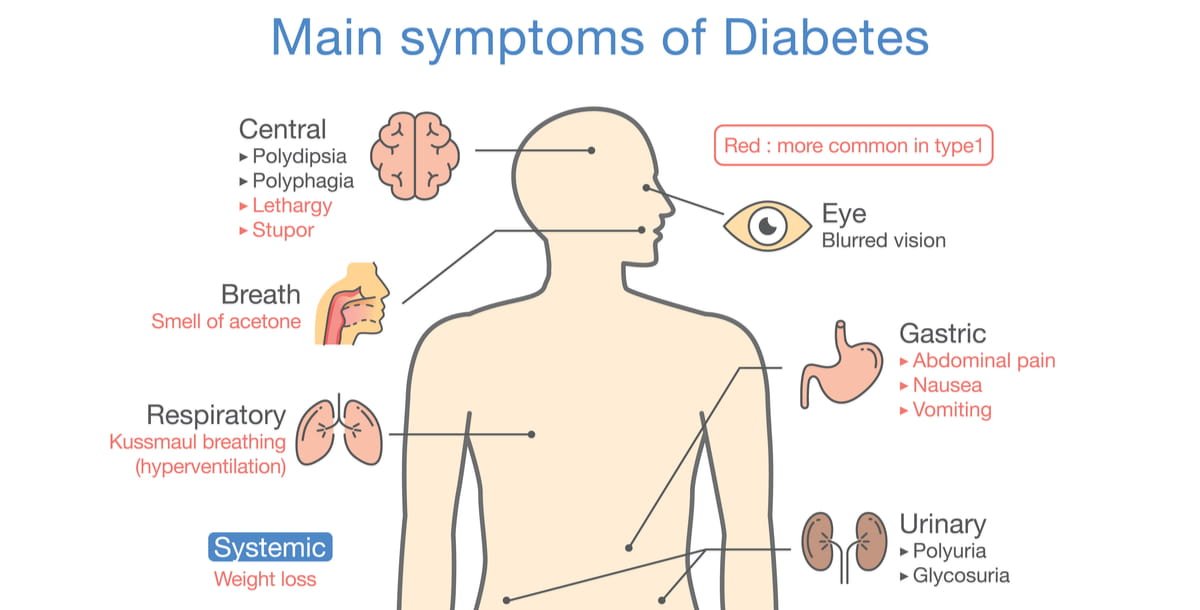
Diabetes is a long-term metabolic condition that affects how the body regulates blood sugar, and when it is not properly controlled, it can lead to serious and sometimes irreversible health damage. The term diabetes complications symptoms refers to the early and advanced warning signs that appear when high blood glucose begins to damage organs such as the heart, kidneys, eyes, and nervous system. These symptoms often develop slowly, which makes awareness and early detection extremely important for preventing long-term health decline.
Understanding diabetes complications symptoms is essential for both patients and caregivers because many complications begin silently before becoming severe. In many cases, individuals may not realize that their symptoms are linked to diabetes until significant damage has already occurred. This is why consistent monitoring, education, and early intervention play a crucial role in improving health outcomes and reducing the risk of life-threatening complications.
Understanding How Diabetes Leads to Complications
Diabetes causes complications mainly due to prolonged high blood sugar levels that gradually damage blood vessels and nerves throughout the body. When glucose remains elevated for long periods, it reduces blood flow and oxygen supply to vital organs, which leads to a wide range of health problems. This is the underlying reason why diabetes complications symptoms can affect multiple systems in the body at the same time.
Over time, this internal damage weakens the body’s ability to heal wounds, fight infections, and maintain normal organ function. As circulation worsens, tissues in the eyes, kidneys, heart, and feet become increasingly vulnerable. This process explains why diabetes complications symptoms are often progressive, starting with mild discomfort and eventually leading to serious medical conditions if blood sugar levels are not properly controlled.
Early Warning Signs of Diabetes Complications Symptoms
The early stages of diabetes complications symptoms are often subtle, which makes them easy to ignore. Common warning signs include persistent fatigue, frequent urination, excessive thirst, and unexplained changes in weight. These symptoms indicate that the body is struggling to manage glucose effectively and that internal systems may already be under stress.
Other early indicators include blurred vision, tingling or numbness in the hands and feet, and slow-healing cuts or infections. These signs are often linked to early nerve damage or poor circulation. Recognizing diabetes complications symptoms at this stage is critical because early medical intervention can significantly slow or prevent further progression of the disease.
Acute Complications That Require Immediate Attention
Some diabetes complications symptoms develop suddenly and can become life-threatening without prompt treatment. One of the most serious conditions is diabetic ketoacidosis (DKA), which occurs when the body begins breaking down fat too quickly due to a lack of insulin. Symptoms may include nausea, vomiting, confusion, abdominal pain, and fruity-smelling breath, all of which require emergency medical care.
Severe hypoglycemia is another dangerous complication where blood sugar drops too low, leading to symptoms such as shaking, sweating, dizziness, irritability, and even loss of consciousness. These acute diabetes complications symptoms must never be ignored, as delayed treatment can result in seizures, coma, or death.
Chronic Complications Affecting Major Organs
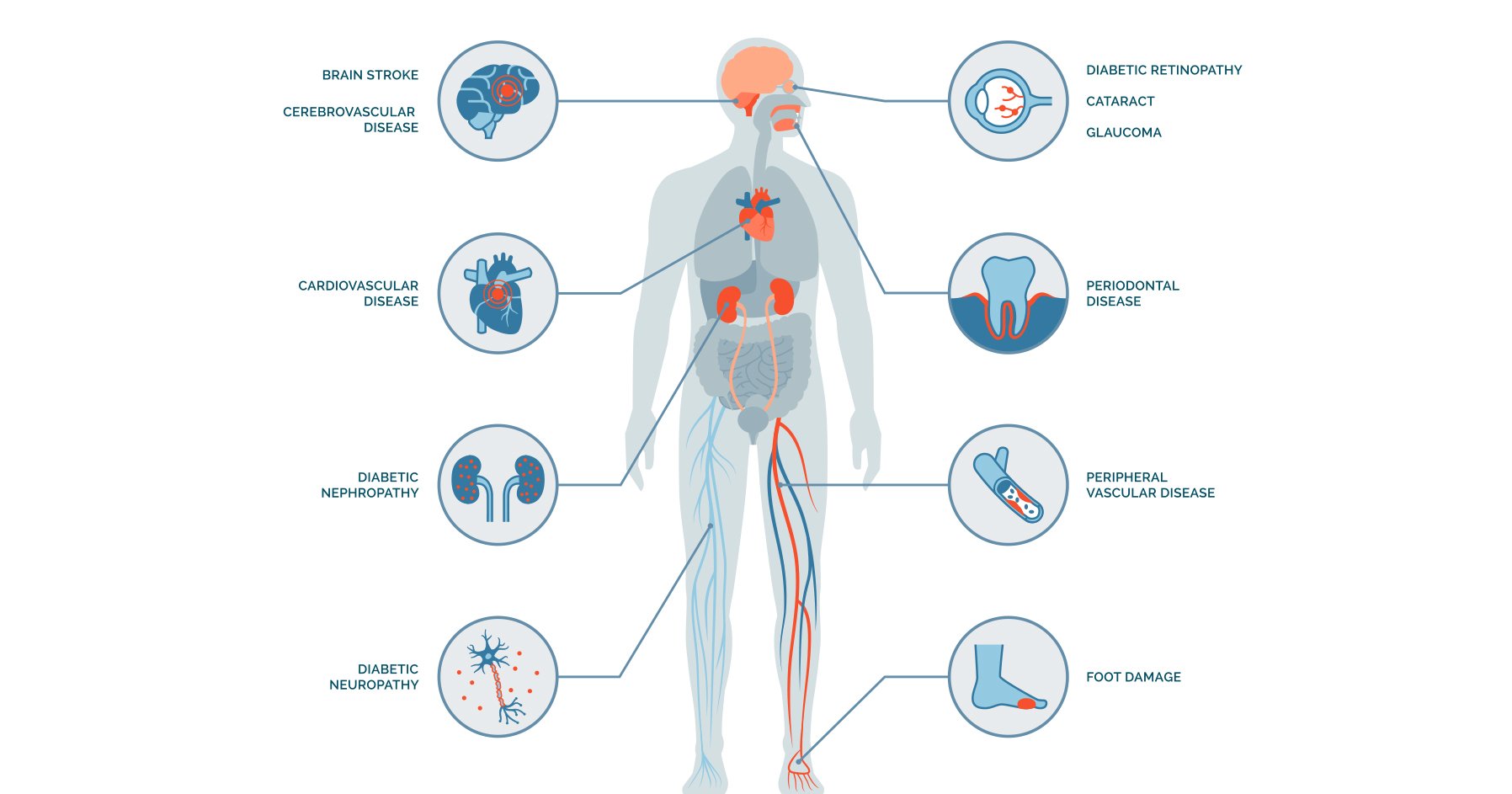
Long-term diabetes complications symptoms develop gradually and often affect multiple organs simultaneously. One of the most common is diabetic neuropathy, which causes numbness, burning sensations, or pain in the hands and feet. This nerve damage increases the risk of unnoticed injuries, infections, and foot ulcers that can become severe if untreated.
Kidney disease and cardiovascular complications are also major concerns. Symptoms may include swelling in the legs, fatigue, shortness of breath, and high blood pressure. Eye damage, including diabetic retinopathy, can lead to blurred vision or even blindness. These chronic diabetes complications symptoms highlight the importance of continuous monitoring and early medical intervention.
Risk Factors That Increase Diabetes Complications Symptoms
Several factors can increase the likelihood and severity of diabetes complications symptoms. Poor blood sugar control over time is the most significant risk factor, as it accelerates damage to blood vessels and nerves. Lifestyle habits such as smoking, physical inactivity, and unhealthy eating patterns also contribute to faster disease progression.
Additional risk factors include obesity, high cholesterol, and hypertension, all of which place extra strain on the cardiovascular system. People who have had diabetes for many years are especially vulnerable. Understanding these risks helps individuals take proactive steps to reduce the severity of diabetes complications symptoms and improve long-term health outcomes.
Prevention and Management Strategies
Preventing diabetes complications symptoms requires a consistent and balanced approach to blood sugar management. A healthy diet that includes whole grains, vegetables, lean proteins, and low sugar intake can significantly improve glucose control. Regular physical activity also helps improve insulin sensitivity and supports overall cardiovascular health.
Medical management is equally important, including prescribed medications, insulin therapy, and routine monitoring of blood sugar levels. Regular check-ups for the eyes, kidneys, and heart help detect early signs of complications. By following these preventive strategies, individuals can significantly reduce the risk of developing severe diabetes complications symptoms over time.
Living with Diabetes and Long-Term Health Awareness
Living with diabetes requires long-term commitment, awareness, and daily self-care. Monitoring diabetes complications symptoms regularly allows individuals to identify changes in their body early and take appropriate action. Education about the condition plays a key role in improving decision-making and maintaining stable health.
Emotional well-being is also an important part of diabetes management, as stress can directly affect blood sugar levels. Support from healthcare providers, family, and community resources can help individuals maintain a balanced lifestyle. With proper care, many people successfully manage diabetes and reduce the impact of diabetes complications symptoms on their daily lives.
Conclusion
Understanding and identifying diabetes complications symptoms early is one of the most effective ways to prevent serious and irreversible health damage. These symptoms often begin subtly but can progress into severe conditions if ignored. Awareness, routine monitoring, and timely medical care are essential for protecting long-term health.
Although diabetes is a lifelong condition, its complications are not inevitable. With proper management, healthy lifestyle choices, and early detection, individuals can significantly reduce risks and maintain a better quality of life. Staying informed about diabetes complications symptoms remains the key to prevention and control.
You may also read: Healthy Eating Habits for Blood Sugar Stability