Managing diabetes effectively requires a clear understanding of how medications support blood sugar control and overall health. This diabetes medication guide is designed to provide practical, up-to-date insights into treatment options for both Type 1 and Type 2 diabetes, helping readers navigate choices with confidence. With medical advancements evolving rapidly, having accurate and relevant information is essential for making informed decisions.
This guide is tailored for patients, caregivers, and anyone seeking a deeper understanding of diabetes treatments in the UK context. It explains how medications work, what benefits they offer, and what risks to consider. By focusing on clarity and real-world application, this diabetes medication guide ensures that readers can approach their treatment journey with greater awareness and control.
What Is Diabetes and Why Medication Is Needed
Diabetes is a chronic condition that affects how the body processes glucose, the primary source of energy for cells. In Type 1 diabetes, the immune system attacks insulin-producing cells, making insulin therapy essential for survival. In Type 2 diabetes, the body becomes resistant to insulin or does not produce enough, often requiring medication when lifestyle changes alone are insufficient.
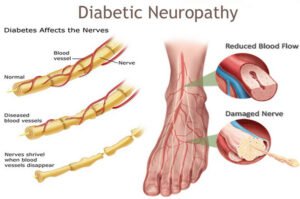
Without proper management, elevated blood sugar levels can lead to serious complications, including cardiovascular disease, kidney damage, and nerve issues. Medication plays a crucial role in preventing these outcomes by stabilising glucose levels and reducing long-term risks. This diabetes medication guide highlights why timely treatment is not just helpful but necessary for maintaining a healthy and active life.
Overview of Diabetes Medications
Diabetes medications are designed to target different aspects of glucose regulation. Some improve insulin sensitivity, others stimulate insulin production, and certain drugs help remove excess glucose through the kidneys. These treatments are available in both oral and injectable forms, offering flexibility based on individual needs and medical conditions.
In the UK, healthcare providers typically follow a structured approach, starting with first-line treatments such as metformin and progressing to combination therapies if required. This ensures personalised care that adapts over time. This diabetes medication guide provides a clear overview of how these medications are categorised and why specific options are chosen at different stages of the condition.
Type 1 Diabetes Medications
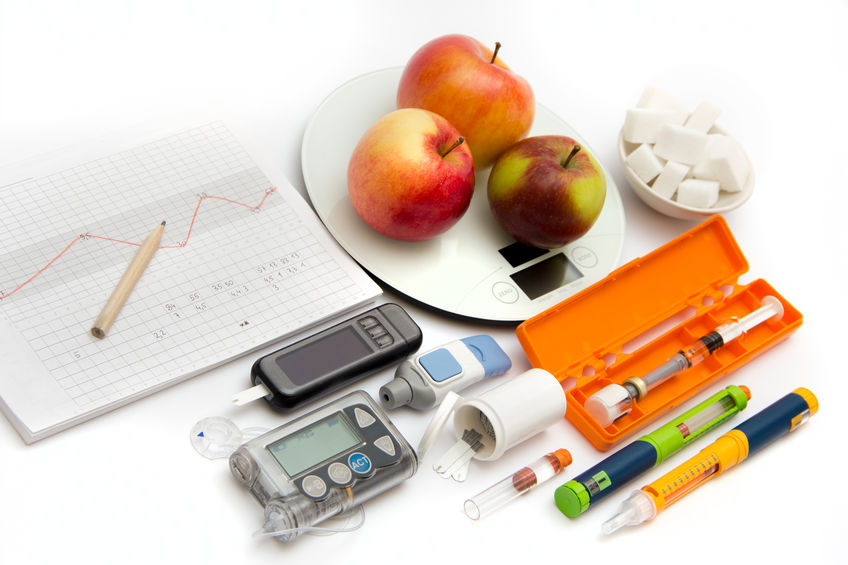
Type 1 diabetes requires lifelong insulin therapy because the body cannot produce insulin naturally. Patients rely on carefully managed insulin doses to maintain stable blood glucose levels throughout the day. This often involves a combination of rapid-acting and long-acting insulin to balance immediate and baseline needs.
Modern treatment options include insulin pens, pumps, and continuous glucose monitoring systems that improve accuracy and convenience. These advancements make daily management more effective and less intrusive. This diabetes medication guide explains how different insulin types work together to support a consistent and reliable treatment routine for individuals with Type 1 diabetes.
Type 2 Diabetes Medications
Treatment for Type 2 diabetes usually begins with metformin, a widely recommended medication that reduces glucose production in the liver and improves insulin sensitivity. It is considered the foundation of therapy due to its effectiveness, safety profile, and affordability within the UK healthcare system.
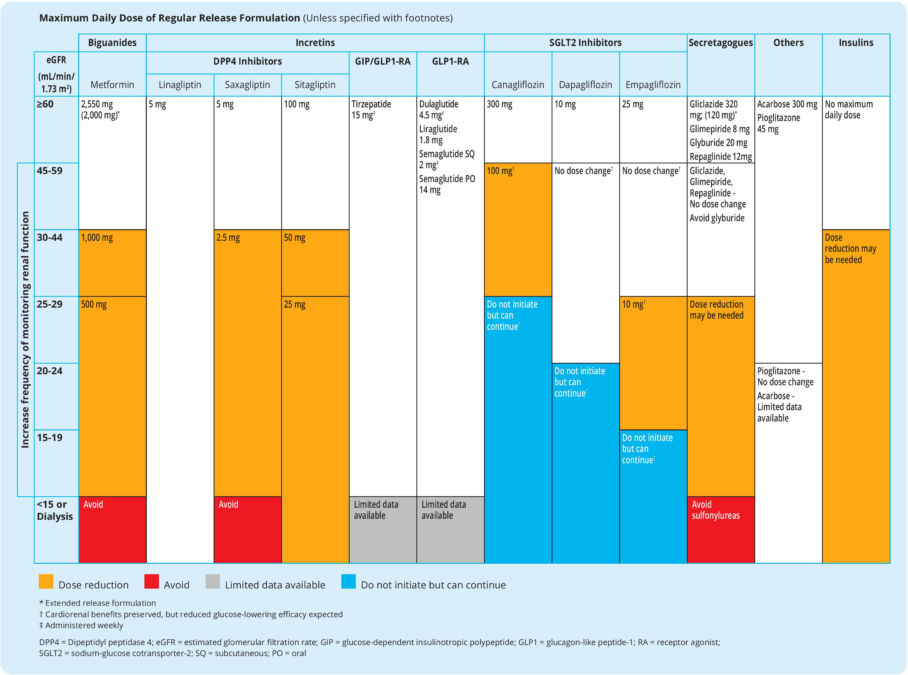
When additional control is needed, other medications such as GLP-1 receptor agonists, SGLT2 inhibitors, and DPP-4 inhibitors may be introduced. These options not only lower blood sugar but can also support weight loss and protect heart and kidney health. This diabetes medication guide ensures readers understand how these therapies work together to create a comprehensive treatment plan.
Diabetes Medication List and Key Drug Classes
A complete understanding of diabetes treatment involves recognising the major drug classes and their roles. Common medications include metformin, insulin, sulfonylureas, and newer agents like empagliflozin and semaglutide. Each drug class operates differently, allowing healthcare providers to tailor treatment based on individual needs.
Knowing the difference between generic and brand names is also important, especially when prescriptions vary across regions. Patients may encounter different labels for the same medication, which can be confusing without proper guidance. This diabetes medication guide simplifies these distinctions, helping readers identify medications and understand their purpose within a treatment plan.
Benefits of Diabetes Medications
The primary benefit of diabetes medications is effective blood sugar control, which reduces the risk of serious complications over time. Consistent management helps protect vital organs, including the heart, kidneys, and eyes, significantly improving long-term health outcomes.
Many modern medications offer additional advantages, such as weight management and cardiovascular protection. These added benefits make them particularly valuable for individuals with Type 2 diabetes who may have multiple health concerns. This diabetes medication guide highlights how choosing the right treatment can positively impact overall wellbeing beyond glucose control alone.
Side Effects and Risks
While diabetes medications are generally safe, they can cause side effects that vary depending on the type of drug. Common issues include nausea, digestive discomfort, and low blood sugar levels, particularly with insulin or sulfonylureas. Understanding these effects helps patients manage them more effectively.
More serious risks, although less common, require immediate attention. These may include severe hypoglycaemia or allergic reactions. Regular monitoring and communication with healthcare providers are essential for minimising these risks. This diabetes medication guide encourages a proactive approach to recognising and addressing side effects early.
Choosing the Right Diabetes Medication in the UK
Selecting the most suitable medication involves evaluating several factors, including age, lifestyle, weight, and existing medical conditions. In the UK, the NHS follows evidence-based guidelines to ensure treatments are both effective and safe for patients.
Doctors often personalise treatment plans by combining medications to achieve optimal results. This approach allows for flexibility and adaptation as the condition evolves. This diabetes medication guide provides insight into how these decisions are made, helping readers understand the reasoning behind their prescribed treatments.
Lifestyle and Medication Working Together
Medication alone is not sufficient for managing diabetes effectively. A balanced diet, regular exercise, and weight management are essential components of a successful treatment plan. These lifestyle changes enhance the effectiveness of medications and contribute to better overall health.
Monitoring blood glucose levels regularly also plays a crucial role in understanding how the body responds to treatment. By combining healthy habits with medication, individuals can achieve more stable and predictable outcomes. This diabetes medication guide emphasises the importance of integrating lifestyle changes with medical therapy for long-term success.
Comparison With Other Common Medications
Diabetes medications are specifically designed to regulate blood sugar levels, making them distinct from treatments used for other conditions. For example, medications for anxiety, ADHD, or high blood pressure target entirely different systems within the body, addressing mental health or cardiovascular concerns rather than glucose control.
However, many individuals manage multiple conditions simultaneously, requiring careful coordination of treatments. Combining diabetes medication with therapies such as cholesterol or blood pressure drugs must be done under professional supervision to avoid interactions. This diabetes medication guide highlights the importance of a holistic approach to managing overall health.
Special Considerations for Different Patients
Certain groups require tailored approaches to diabetes treatment, including pregnant women, elderly individuals, and those with underlying health conditions. Medication choices must be carefully adjusted to ensure safety while maintaining effective blood sugar control.
Adherence to prescribed medication is equally important. Missing doses or incorrect usage can reduce effectiveness and increase health risks. This diabetes medication guide offers practical insights into maintaining consistency and addressing challenges that may arise during treatment.
Latest Advances in Diabetes Treatment
Advancements in diabetes care continue to improve treatment outcomes and patient experience. New medications and combination therapies are being developed to provide better blood sugar control with fewer side effects. Many of these innovations also focus on supporting weight management and reducing cardiovascular risks.
The future of diabetes treatment is increasingly centred on personalised care, using data and technology to tailor therapies to individual needs. This diabetes medication guide keeps readers informed about emerging trends, ensuring they stay updated with the latest developments in diabetes management.
Conclusion
Effective diabetes management requires a comprehensive approach that combines the right medication with healthy lifestyle choices and regular medical support. Understanding available treatment options empowers individuals to take control of their health and reduce the risk of long-term complications.
This diabetes medication guide serves as a reliable and practical resource for navigating the complexities of diabetes care. By staying informed and working closely with healthcare professionals, patients can achieve better outcomes and maintain a higher quality of life over time.
You may also read: 7 Day Diabetes Diet Plan Structure and Weekly Strategy